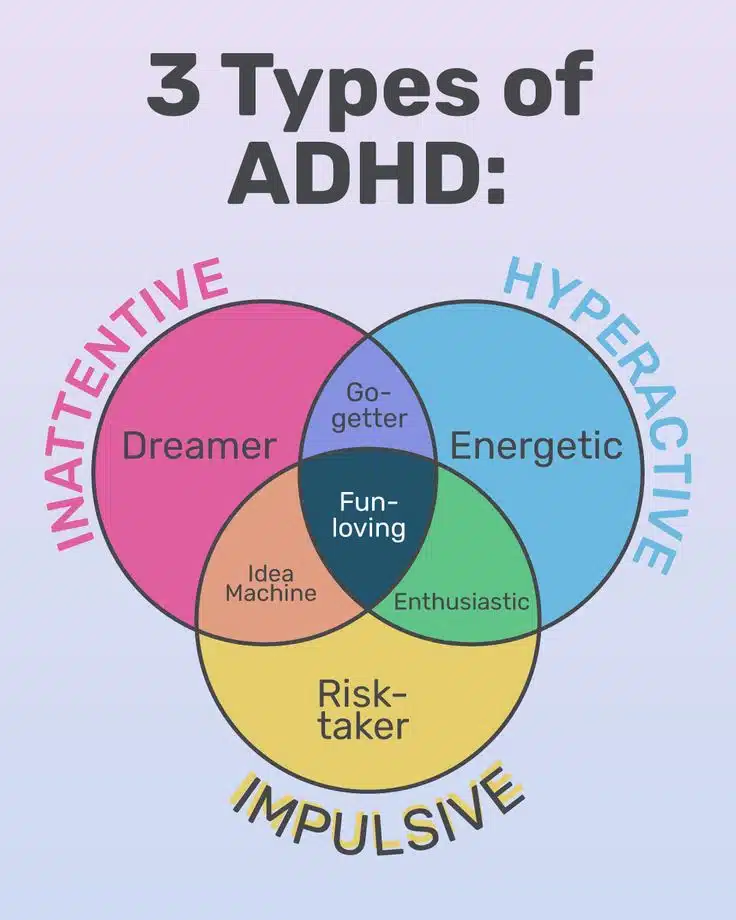
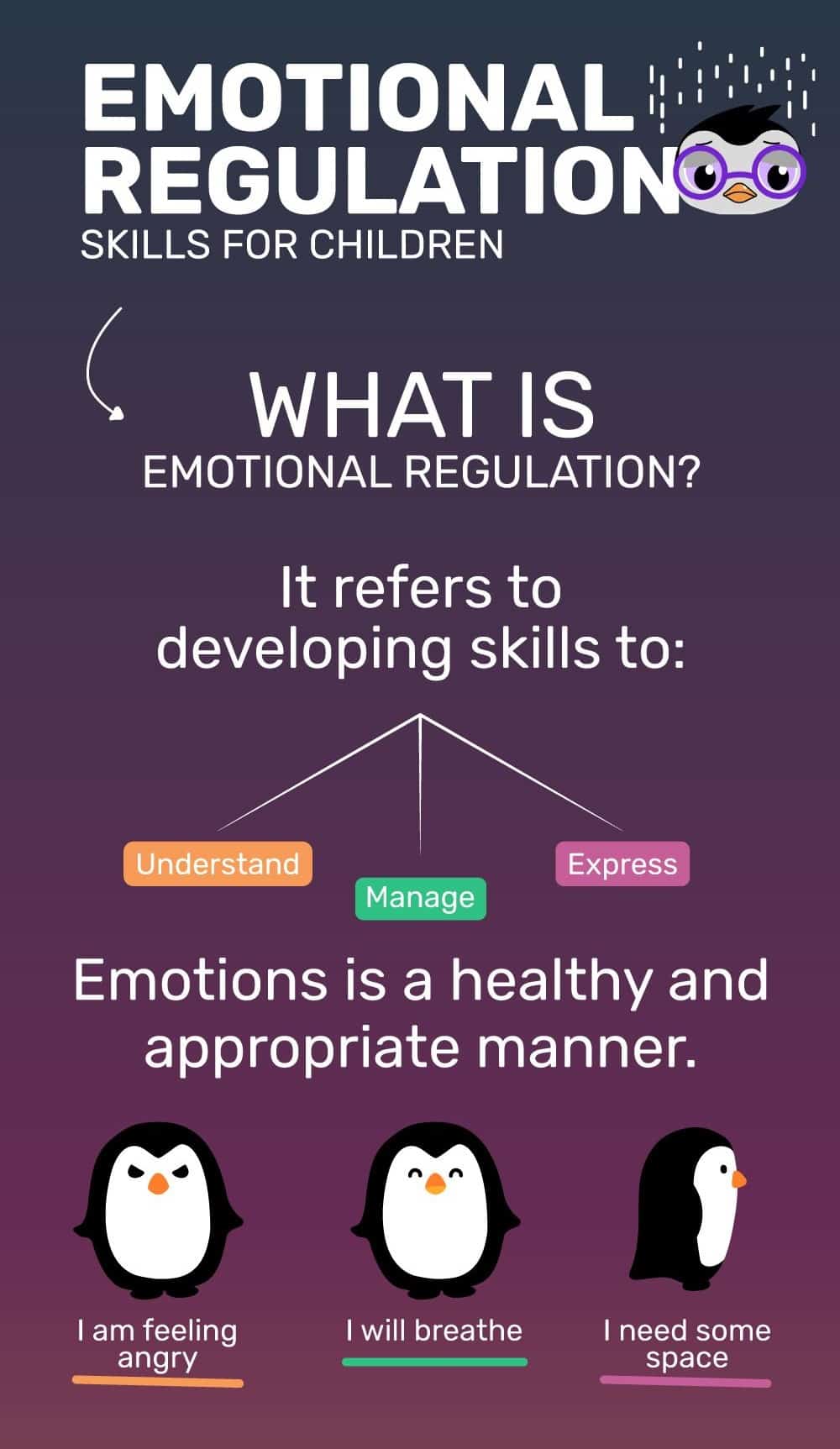
Dextrostat is a medication that some kids with special needs, like those with ADHD, might take. It helps them focus better and control their impulses.



Dextrostat is a medication that some kids with special needs, like those with ADHD, might take. It helps them focus better and control their impulses.


How long does it take for Dextrostat to start working?
Dextrostat typically begins to take effect within 30 minutes to an hour after ingestion. However, the exact onset may vary from person to person.
Is Dextrostat safe for long-term use in children with ADHD?
Dextrostat can be used for extended periods under the guidance of a healthcare provider. Regular check-ins with a healthcare professional are essential to assess its ongoing effectiveness and monitor for any side effects.
Can Dextrostat be used in combination with other treatments for ADHD?
What should I do if I miss a dose of Dextrostat for my child?
If a dose is missed, it’s best to follow the healthcare provider’s instructions. Generally, the missed dose should be taken as soon as remembered, unless it’s close to the next scheduled dose. Doubling up on doses should be avoided.


Dextrostat, scientifically known as dextroamphetamine sulfate, is a medication commonly prescribed to individuals, including children, with ADHD. It belongs to a class of drugs known as stimulants. Dextrostat helps by increasing brain chemicals that improve focus, attention, and impulse control. It is an effective treatment option, but a healthcare professional should constantly carefully monitor its use to ensure it’s safe and appropriate for each child’s unique needs. Dextrostat is one of the more commonly prescribed medications for managing ADHD symptoms, and its effectiveness can vary from person to person.

Dextrostat, a medication used to treat conditions like ADHD, offers several advantages for children. Here’s a glimpse of how it can help:
| Benefits of Dextrostat | Effects on Children |
|---|---|
| Enhanced Focus | Dextrostat aids in sharpening a child’s ability to concentrate, making it easier for them to stay engaged in activities and schoolwork. |
| Improved Task Management | Children on Dextrostat often find it simpler to organize and complete tasks. |
| Better Impulse Control | This medication assists in reducing impulsive behavior, allowing children to think before acting and make more considered decisions. |
| Positive Social Interactions | Children can interact more effectively with their peers with enhanced impulse control, potentially strengthening friendships. |
| Encouraging Feedback | Teachers and caregivers may notice the positive changes in a child’s behavior, fostering a sense of accomplishment. |
| Enhanced Family Dynamics | Families may experience improved harmony as children’s behavior becomes more manageable at home. |
Dextrostat’s potential benefits extend beyond any specific child, offering a path to improved focus, organization, and overall well-being. Always consult a healthcare professional for personalized guidance and monitoring.