As parents, we want to provide the best support for our neurodivergent kids. But sometimes, even with the best intentions, we might say things that can negatively impact their self-esteem and confidence. So, what not to say to a child with ADHD? In this blog post, we’ll equip you with valuable insights and guidance on how to communicate effectively with your child, ensuring a positive and supportive environment for their growth and development. With the right knowledge, you can foster a strong parent-child bond and help your child thrive, using tools like Goally to assist you along the way.
Table of Contents
Understanding ADHD and Communication
Before we delve into the specifics, it’s essential to understand the challenges faced by kids with ADHD. Attention Deficit Hyperactivity Disorder (ADHD) affects a child’s ability to focus, control impulses, and manage emotions. As a result, they may struggle with social interactions, organization, and self-regulation. With this in mind, let’s explore the phrases to avoid and their alternatives when talking to your child with ADHD.
1. “Just try harder.”
Telling a child with ADHD to “try harder” might seem like harmless encouragement, but it can be counterproductive. Kids with ADHD often put in significant effort to manage their symptoms, and this statement can make them feel inadequate. Instead, acknowledge their struggles and offer specific guidance or support. By doing so, you create a more positive environment for your child.

Read more: How Do You Communicate With a Child With ADHD?
- Use phrases like “I see you’re working hard. Let’s try breaking the task into smaller steps.”
- Offer tools like Goally to help them stay organized and focused.
2. “Stop being lazy.”
Labeling a child with ADHD as “lazy” can be damaging to their self-esteem. It’s essential to recognize that their difficulties are not due to laziness but rather the challenges posed by ADHD. Instead, focus on their strengths and encourage them to build on those. This approach will help boost their confidence and motivation.
- Highlight their achievements and progress.
- Help them set realistic goals and celebrate their accomplishments.
3. “You’re just not trying.”
Accusing a child with ADHD of not trying can be demoralizing. They may already feel overwhelmed and misunderstood. Instead, empathize with their struggles and work together to find solutions. Collaboration and understanding will help your child feel supported and valued.
- Ask open-ended questions to understand their perspective.
- Collaborate on strategies to overcome challenges, using tools like Goally to help them stay on track.
Positive Communication Techniques
Now that we’ve covered what not to say to a child with ADHD let’s explore some positive communication techniques to strengthen your relationship and support their growth. These methods will help you create a nurturing environment for your child, enabling them to flourish.
1. Active Listening
Active listening involves giving your full attention to your child, acknowledging their feelings, and validating their emotions. This approach helps build trust and understanding between you and your child. By actively listening, you show your child that their thoughts and feelings matter.
- Make eye contact and use nonverbal cues to show you’re engaged.
- Paraphrase their words to ensure you understand their perspective.
Read more: Teaching Listening Skills to a Child
2. Encouragement and Praise
Offering genuine praise and encouragement can boost your child’s self-esteem and motivate them to continue working on their challenges. Focus on their efforts and progress rather than just the outcome. By doing so, you help your child develop a growth mindset and resilience.

Read more: 5 Social Skills for ADHD in Kids
- Recognize small victories and improvements.
- Be specific in your praise, highlighting the particular action or behavior you appreciate.
3. Establishing Routines and Structure
Creating a consistent routine can help kids with ADHD manage their time and tasks better. This structure provides a sense of stability and predictability, reducing stress and anxiety. With a well-established routine, your child will feel more in control of their day-to-day life.
- Establish daily routines for morning, after-school, and bedtime.
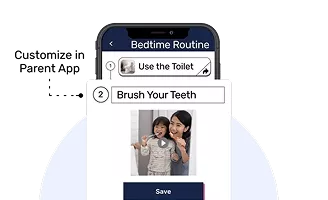
- Use visual aids like calendars or charts, and tools like Goally, to help them stay organized.
Try Goally For Your Child With ADHD
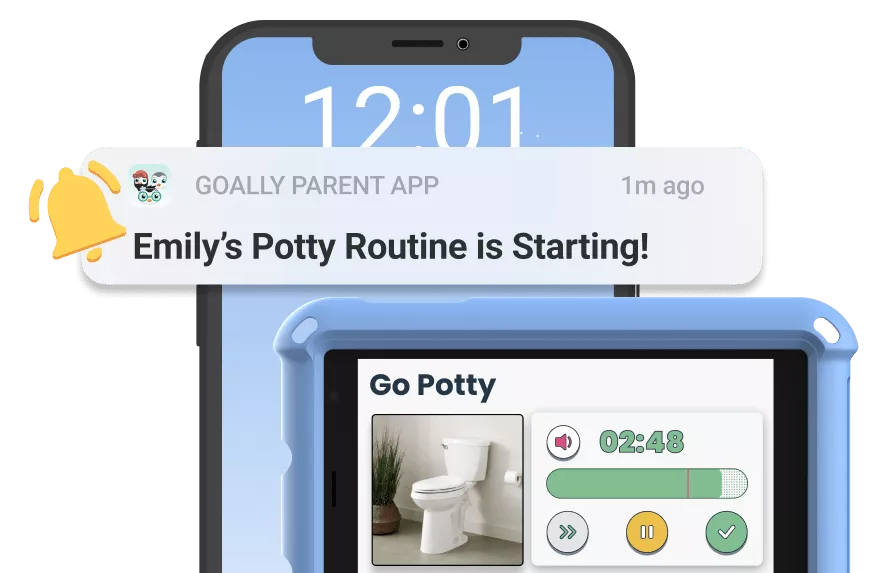
Goally helps kids with ADHD stay focused and build skills. Unlike a Kindle or an iPad that kids get easily distracted on, Goally has no YouTube, no social media, no web browser, and especially no ads.
Goally uses game play as a points-based motivator for your kiddo with ADHD and helps them learn emotional regulation skills. It’s simple to set up and has an expert-informed design.

Wrapping Up
Understanding what not to say to a child with ADHD is just the beginning. By adopting positive communication techniques and providing a supportive environment, you can help your child build resilience and self-confidence. Remember, every child is unique, and it’s essential to tailor your approach to their individual needs. With patience, empathy, and open communication, you can strengthen your bond with your child and empower them to reach their full potential. Goally can be a valuable tool in your journey, providing support and structure for both you and your child.
This post was originally published on 05/08/2023. It was updated on 10/20/2023.

Goally
We help parents teach their kids life skills, like doing bedtime and morning independently. Backed by science, we incorporate evidence-based practices and expert-informed designs in all of our apps and content.