The neurodiversity movement celebrates diverse brains, emphasizing acceptance and unique strengths, while removing barriers to full participation in education and employment.



The neurodiversity movement celebrates diverse brains, emphasizing acceptance and unique strengths, while removing barriers to full participation in education and employment.


What is the goal of the neurodiversity movement?
The goal of the neurodiversity movement is to create a world that values and celebrates the diversity of human brains and experiences, and that provides opportunities for everyone to reach their full potential.
How does the neurodiversity movement relate to disability rights?
The neurodiversity movement is closely related to disability rights, as it promotes the idea that neurodivergent individuals should not be stigmatized or treated as “broken,” but instead should have the same rights and opportunities as everyone else.
How can I support the neurodiversity movement?
You can support the neurodiversity movement by learning about and promoting the principles of neurodiversity, advocating for inclusive policies and practices in your community, and supporting the work of organizations that promote neurodiversity and neurodivergent rights.
What are workplace accommodations in the context of neurodiversity?
Workplace accommodations may include flexible schedules, sensory-friendly environments, and other adjustments that create a more diverse and productive workforce, allowing neurodivergent individuals to excel in their careers.


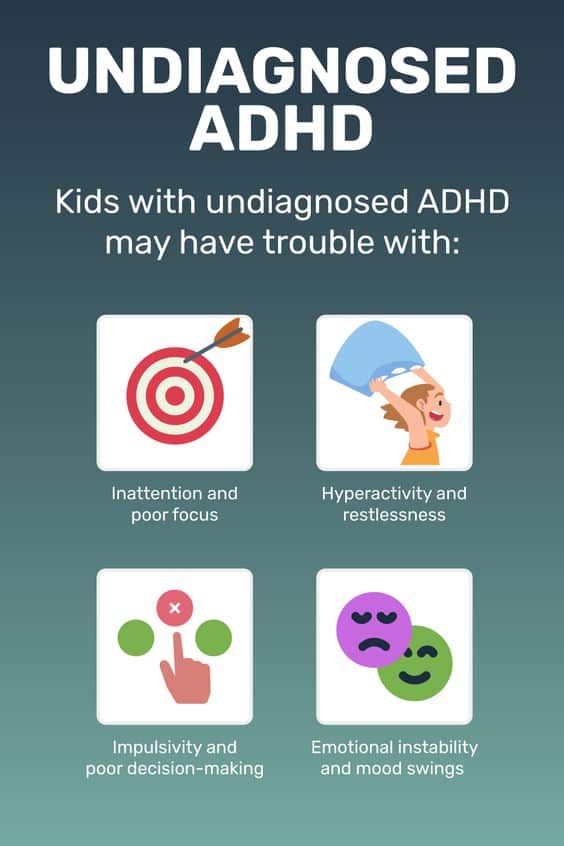
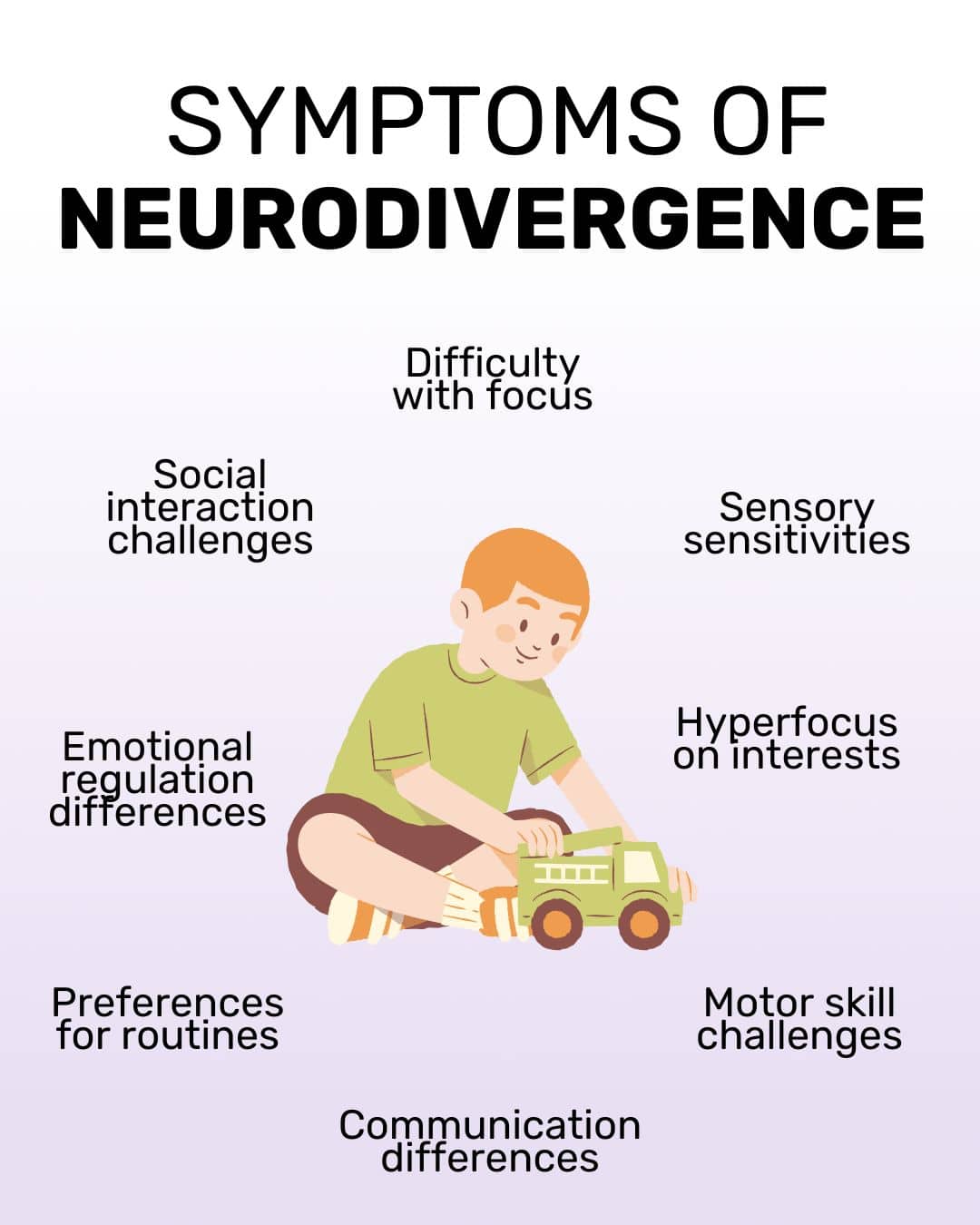
The neurodiversity movement embraces diverse brains and behaviors. It values differences, like autism, ADHD, and dyslexia, as unique strengths. People should be accepted for who they are and have access to needed support. It advocates for removing barriers in education, employment, and social life. Celebrate and embrace the diversity of human brains.

The neurodiversity movement operates by embracing and respecting the differences in people’s brains and behaviors. It seeks to create an inclusive society that values and supports neurodivergent individuals. Here are some examples of how this concept works in action:
| Category | Description |
|---|---|
| Education | Schools implement inclusive teaching methods that cater to diverse learning styles and abilities, ensuring every student can thrive. |
| Employment | Companies offer workplace accommodations, such as flexible schedules or sensory-friendly environments, fostering a more diverse and productive workforce. |
| Social Inclusion | Communities organize neurodiversity awareness campaigns and events to promote understanding and acceptance. |
| Media Representation | The entertainment industry showcases neurodivergent characters and stories, breaking stereotypes and promoting empathy. |
| Research and Advocacy | The movement supports scientific research on neurodiversity, advocating for policies that protect the rights of neurodivergent individuals. |
| Support Networks | Online and offline communities provide a safe space for sharing experiences and offering mutual support. |
The neurodiversity movement actively works towards creating a society that values and celebrates the diversity of human brains, fostering acceptance and inclusion for all.
This post was originally published on Feb. 15, 2023. It was updated on Nov. 9, 2023.