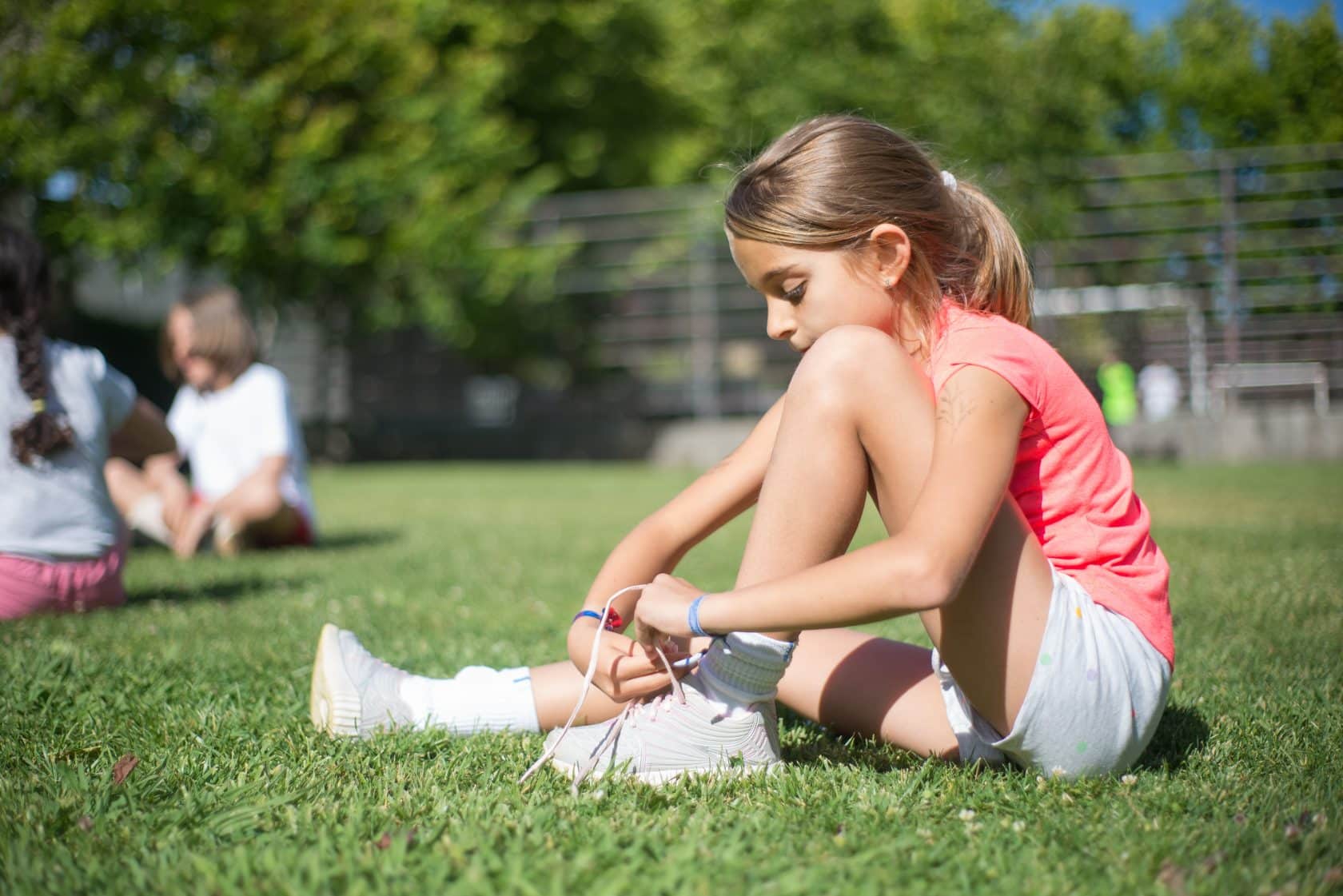
Psychomotor skills involve both mental and physical abilities. They’re the way a child’s brain and body work together to do things like learn, play, and complete everyday tasks.



Psychomotor skills involve both mental and physical abilities. They’re the way a child’s brain and body work together to do things like learn, play, and complete everyday tasks.


Is there a link between psychomotor skills and academic performance?
Yes, there is a connection. Strong psychomotor skills lay the foundation for tasks like writing, using technology, and participating in physical education, all of which contribute to a child’s academic success and overall well-being.
Can psychomotor skills impact a child's social interactions and communication abilities?
Yes, there is a connection. Improved psychomotor skills can boost a child’s confidence and independence, which, in turn, can positively influence their ability to engage in social interactions and communicate effectively with peers and adults.
Do psychomotor skills differ between typically developing children and those with special needs?
Psychomotor skills can vary among all children, but children with special needs might face unique challenges or delays. Tailoring activities and therapies to their specific needs can help bridge any gaps.
How can I help my child with special needs improve their psychomotor skills?
You can support your child by providing opportunities for practice and seeking guidance from occupational therapists or special education professionals who can create tailored interventions and activities to enhance their psychomotor abilities.


Psychomotor refers to the relationship between cognitive functions and physical movements. It encompasses skills that require the coordination of mental processes and motor activity, such as hand-eye coordination, balance, and spatial awareness. Psychomotor development is a critical aspect of a child’s overall growth and can be affected by various factors, including genetics, environment, and neurological conditions.
Resources:

Psychomotor skills are essential for children to perform everyday activities and engage in learning experiences. Here are some examples of how these skills are used:
| Skill Area | Examples |
|---|---|
| Fine Motor | Grasping, pinching, buttoning |
| Gross Motor | Walking, climbing, throwing |
| Visual-Motor | Copying shapes, puzzles, mazes |
By understanding how psychomotor skills are used in various contexts, parents and professionals can better support a child’s development and address any challenges they may face.
This post was originally published on Sept. 13, 2023. It was updated on June 14, 2024.