Prosocial behavior involves helping others, even through simple acts like sharing or kindness, benefiting individuals with different cognitive profiles, such as those with autism or ADHD, in building positive relationships and happiness.



Prosocial behavior involves helping others, even through simple acts like sharing or kindness, benefiting individuals with different cognitive profiles, such as those with autism or ADHD, in building positive relationships and happiness.


Why is prosocial behavior important?
Prosocial behavior is important because it can lead to positive outcomes for both the individual demonstrating it and those who receive it. It can help build and maintain relationships, increase self-esteem and happiness, and make the world a better place.
Can prosocial behavior be taught?
Yes, prosocial behavior can be taught and encouraged through modeling, reinforcement, and practice. It is a learned behavior that can be developed through positive experiences and social interactions.
How does prosocial behavior impact mental health?
Prosocial behavior has a positive impact on mental health by increasing feelings of happiness, self-esteem, and fulfillment. It also helps to reduce stress, anxiety, and depression. Additionally, it can help to build and maintain relationships, which are important for overall well-being.
How can parents encourage prosocial behavior in children?
Parents can encourage prosocial behavior in children by modeling kindness and empathy, providing opportunities for them to help others, and offering praise and positive reinforcement when they engage in acts of kindness.


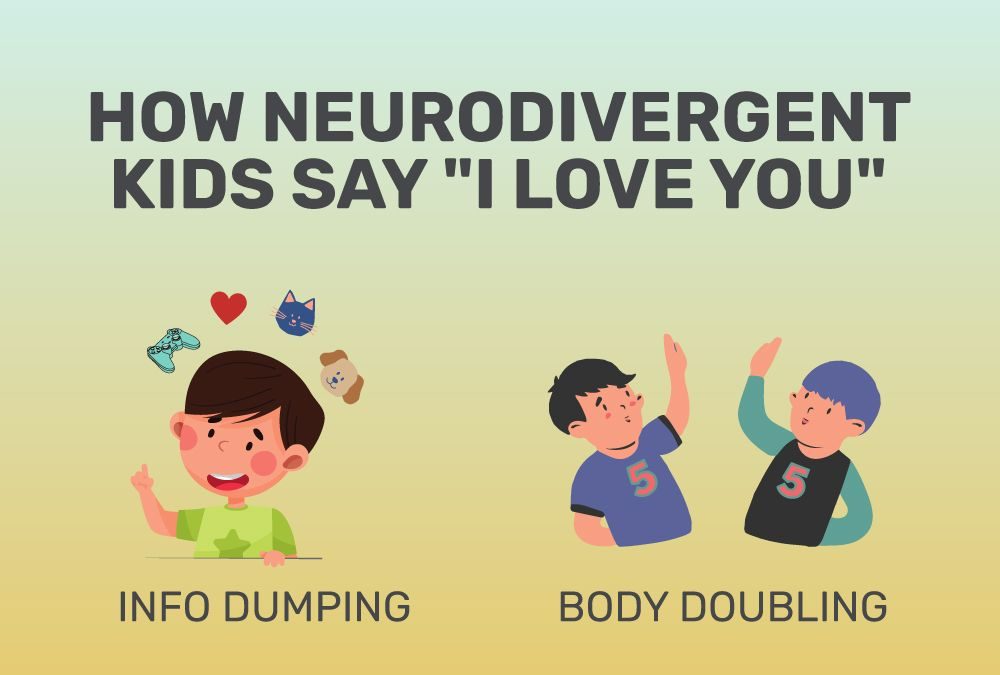
Prosocial behavior involves actions that benefit others, like helping, sharing, or volunteering. Neurodivergent individuals, such as those with autism or ADHD, may have unique social challenges, but they can still show kindness and make a positive impact. Encouraging prosocial behavior can lead to fulfilling relationships, increased self-esteem, and happiness, emphasizing that everyone, regardless of cognitive differences, can make a meaningful difference in the world.

Teaching children about prosocial behavior is essential for their development and relationships. Here’s how it works:
| Empathy and Kindness: | Prosocial behavior involves demonstrating empathy and kindness towards others through actions like helping, sharing, or comforting those in need. Children learn to recognize the feelings and needs of others and respond with care. |
| Building Relationships: | Children who engage in prosocial behavior tend to form positive relationships with their peers, creating a sense of belonging and trust within their social group. These relationships become the foundation for healthy friendships and social interactions. |
| Boosting Self-Esteem: | Acts of kindness and helpfulness contribute to a child’s self-esteem, as they witness the positive impact of their actions on others. Feeling valued and appreciated for their contributions enhances their self-worth. |
| Teaching Values: | Parents can effectively teach values such as empathy, compassion, and altruism by encouraging and praising prosocial behaviors in their children. These behaviors instill a sense of responsibility towards others and a commitment to making the world a better place. |
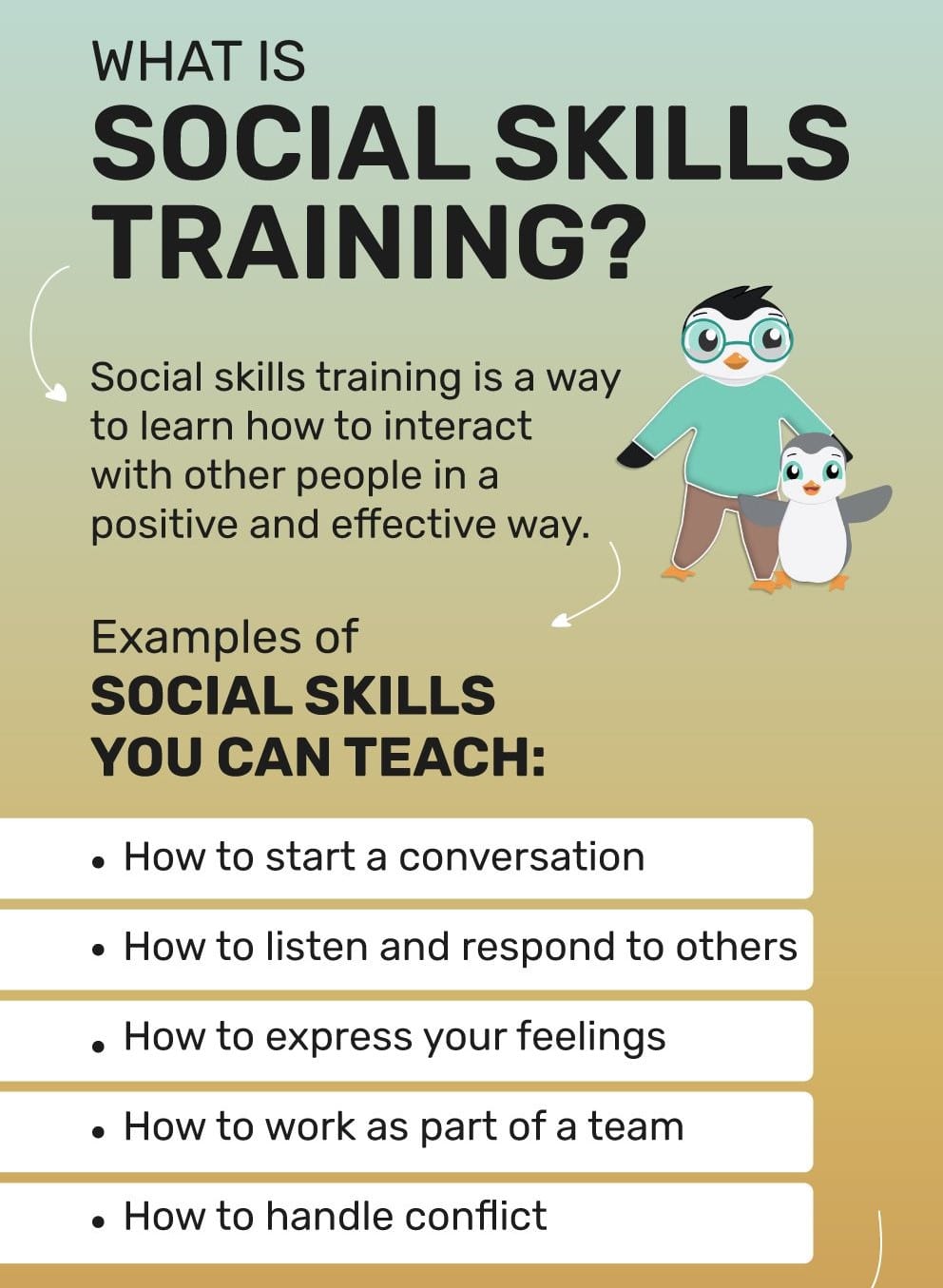
| Enhancing Social Skills: | Prosocial behavior helps children develop crucial social skills like effective communication, cooperation, and conflict resolution, which are valuable throughout their lives. These skills enable them to navigate social situations successfully. |
| Creating a Positive Environment: | Prosocial behavior not only benefits individuals but also contributes to creating a positive and inclusive environment where everyone feels supported and valued. |
Incorporating prosocial behavior into a child’s daily life not only promotes a harmonious environment but also nurtures essential life skills and values, contributing to their overall well-being, growth, and the well-being of their community.
This post was originally published on Feb. 13, 2023. It was updated on Jan. 19, 2024.