Pervasive Drive for Autonomy (PDA) is a type of autism where kids have a strong need to be in control. They may get very upset when asked to do things and try to avoid demands placed on them, even small ones.



Pervasive Drive for Autonomy (PDA) is a type of autism where kids have a strong need to be in control. They may get very upset when asked to do things and try to avoid demands placed on them, even small ones.


What is the Pervasive Drive for Autonomy?
The Pervasive Drive for Autonomy refers to an individual’s intrinsic motivation to self-govern and make their own decisions, contributing to confidence and personal growth.
How can the Pervasive Drive for Autonomy be seen in kids with special needs?
This drive can manifest as a child’s preference to choose their clothes, decide their meals, pick their activities, or solve problems independently.
How can parents nurture their child's Pervasive Drive for Autonomy?
Parents can nurture this drive by offering choices, encouraging self-help skills, fostering problem-solving abilities, and supporting exploration in a safe, age-appropriate manner.
How can a tool like Goally help in nurturing a child's Pervasive Drive for Autonomy?
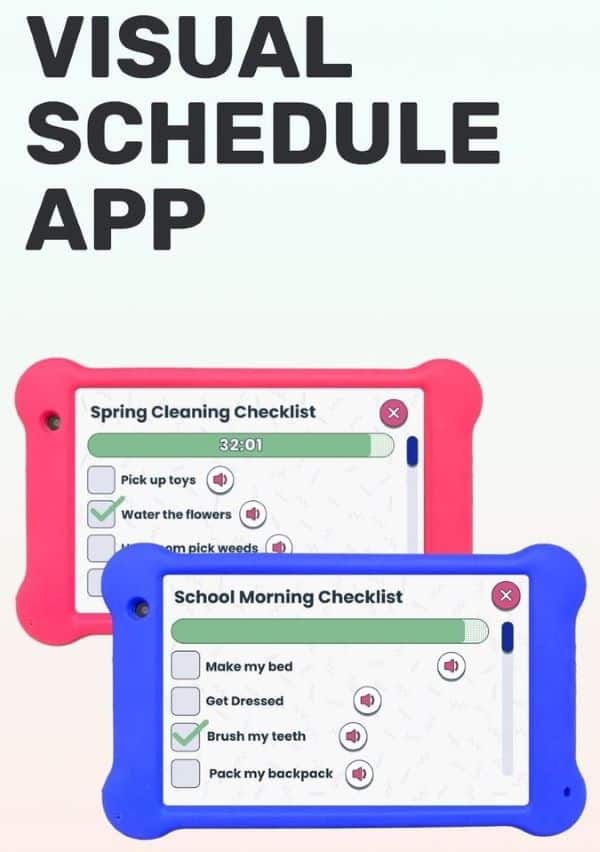
Goally, with its range of apps like digital visual schedules and skills training videos, can help a child manage their routines independently and learn new skills, fostering autonomy.


Pervasive Drive for Autonomy (PDA) is a distinct profile on the autism spectrum characterized by an overriding resistance to everyday demands and a need for control. Individuals with PDA exhibit an extreme avoidance of demands and expectations, often experiencing a fight, flight, or freeze response when their autonomy is threatened. This subtype of autism was first identified in the 1980s by developmental psychologist Elizabeth Newson.
Resources:

PDA is driven by an individual’s overwhelming need for control and autonomy. Here’s how it typically functions:
| PDA Characteristic | Example |
|---|---|
| Demand avoidance | Refusing to comply with requests or expectations |
| Anxiety response | Experiencing meltdowns or shutdowns when faced with demands |
| Need for control | Insisting on doing things their own way |
By understanding how PDA functions, parents and caregivers can better support their child’s unique needs and help them thrive.