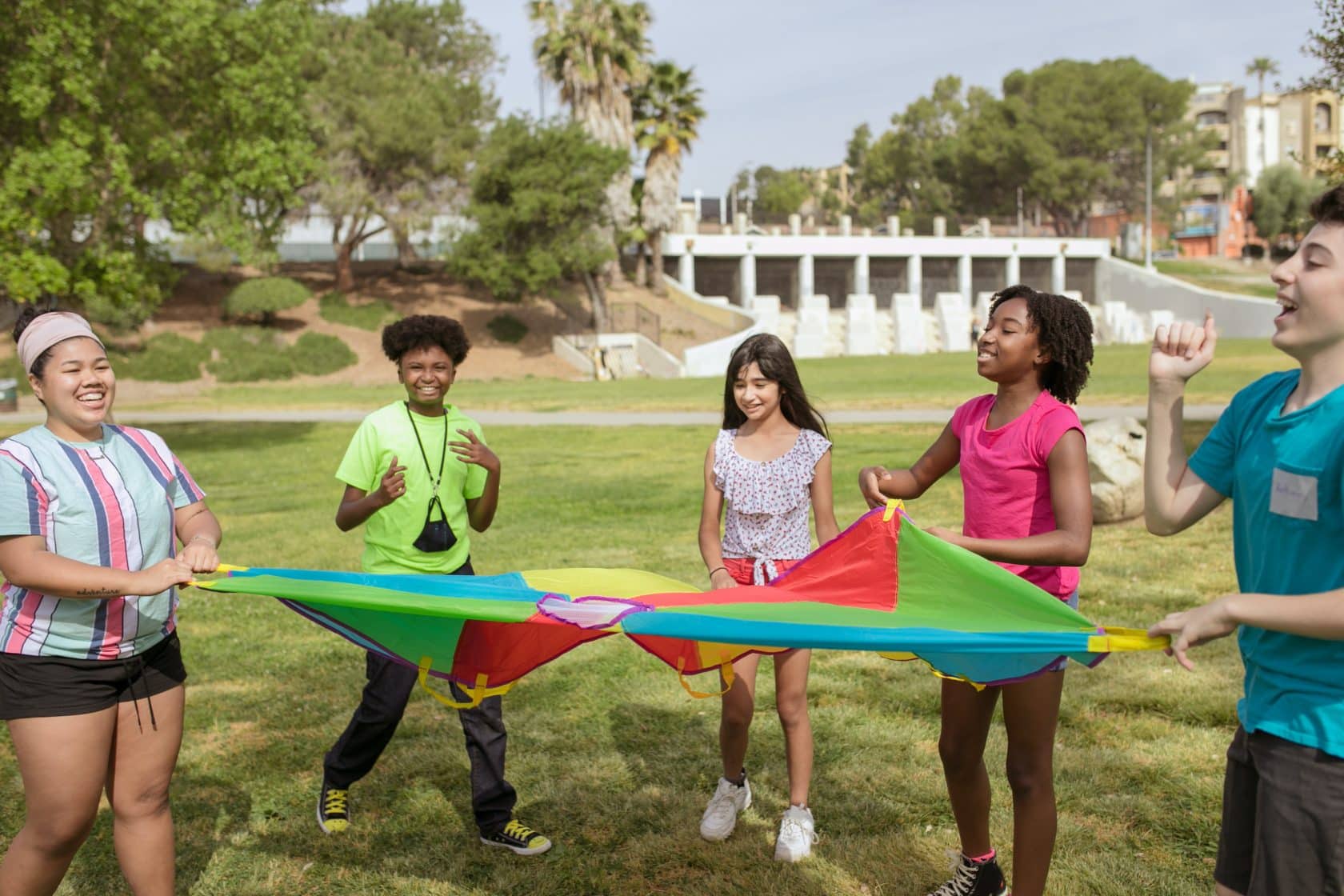
Peer-mediated intervention is a way to help kids with autism learn social skills by having their classmates or friends teach them. It’s like having a buddy show them the ropes of how to interact with others in a natural way.



Peer-mediated intervention is a way to help kids with autism learn social skills by having their classmates or friends teach them. It’s like having a buddy show them the ropes of how to interact with others in a natural way.


How are helper kids chosen for peer-mediated intervention?
Helper kids are carefully selected based on their positive social skills, empathy, and willingness to help their special needs peers. They are usually the same age as the kids with special needs.
Does peer-mediated intervention require special training for the helper kids?
Yes, helper kids receive training from professionals like therapists or teachers, who teach them how to support their special needs peers through play, communication, and social interaction.
Is peer-mediated intervention used only in schools?
While schools are a common setting for peer-mediated intervention, it can also be used in therapy sessions, community programs, or even at home, making it a flexible and adaptable approach.


Peer-mediated intervention (PMI) is an evidence-based approach in special education where typically developing peers are trained to interact with and help children with autism spectrum disorder (ASD) improve their social skills. PMI leverages the power of peer influence and creates opportunities for natural, positive social interactions. Studies have shown PMI to be effective in increasing social communication, joint attention, and play skills in children with ASD.

PMI harnesses the influence of peers to promote social skills development in children with ASD. Some key ways it’s implemented:
| PMI Strategy | Key Components |
|---|---|
| Peer Networking | Peers rotate as “buddies” for the focus child throughout the day or week. |
| Peer Initiation Training | Peers learn to initiate and maintain interactions with the focus child. |
| Peer Modeling | Peers serve as social skill models for the focus child to observe and imitate. |
By equipping peers with the right strategies, PMI creates a supportive social environment for children with ASD to practice and generalize critical interaction skills. It’s a powerful tool for parents and educators alike.