Oral language is how kids talk and understand speech. It’s about using words to express thoughts and ideas out loud, as well as listening to and comprehending what others say. This skill is crucial for communication and learning.



Oral language is how kids talk and understand speech. It’s about using words to express thoughts and ideas out loud, as well as listening to and comprehending what others say. This skill is crucial for communication and learning.


What is oral language?
Oral language is the use of spoken words and sentences to communicate. It includes vocabulary, grammar, and pronunciation skills.
Why is oral language important for children?
Oral language helps kids express their needs, thoughts, and feelings. It’s crucial for social interactions and learning in school.
How can I help my child improve their oral language skills?
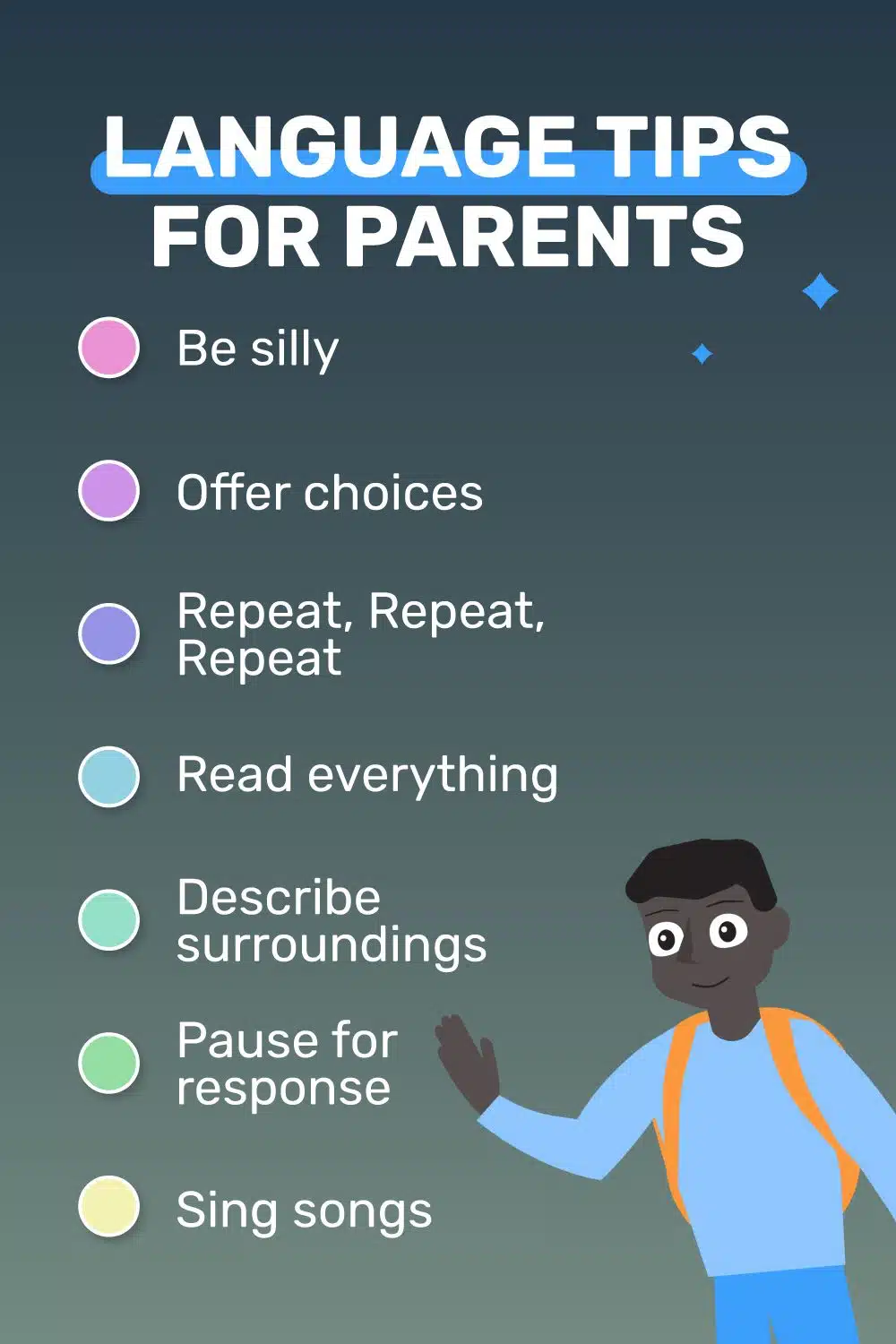
Engage in daily conversations, read together, and encourage storytelling. Playing word games and singing songs also boost language skills.
What are signs of oral language difficulties in children?
Struggling to form sentences, limited vocabulary, and difficulty following instructions. Seek professional advice if these challenges persist.


Oral language refers to the verbal communication skills used in spoken interactions. It encompasses the ability to produce and comprehend spoken words, sentences, and discourse. Oral language development involves mastering various linguistic components, including phonology, semantics, syntax, and pragmatics, which are essential for effective communication and academic success.

Oral language is a fundamental part of daily life and learning. Here’s how it’s typically used:
| Oral Language Component | Example |
|---|---|
| Vocabulary | Using words like “big,” “happy,” “run” |
| Grammar | Saying “I went to the store” instead of “Me go store” |
| Pronunciation | Correctly saying “spaghetti” instead of “pasketti” |
| Listening comprehension | Following multi-step directions |
For kids with special needs, these skills might develop differently, but with support, they can make significant progress in their oral language abilities.