Non-discriminatory evaluation, in simple terms, means assessing children with special needs fairly and without bias. It’s about ensuring every child gets a fair chance to show their abilities, regardless of their differences.



Non-discriminatory evaluation, in simple terms, means assessing children with special needs fairly and without bias. It’s about ensuring every child gets a fair chance to show their abilities, regardless of their differences.


Who conducts non-discriminatory evaluations for children with special needs?
Qualified professionals, including educators, psychologists, speech therapists, and occupational therapists, often collaborate as a team to conduct comprehensive non-discriminatory evaluations.
What are some common tools and methods used in non-discriminatory evaluations?
Standardized tests, observations, interviews, and adaptive assessment techniques are frequently employed to gather a holistic understanding of a child’s abilities and challenges.
How can parents and caregivers be involved in the non-discriminatory evaluation process?
Parents and caregivers play a crucial role by providing valuable insights into their child’s development, sharing concerns, and collaborating with educators and evaluators to create a personalized plan for their child’s education and growth.
Are there legal requirements for non-discriminatory evaluation in education?
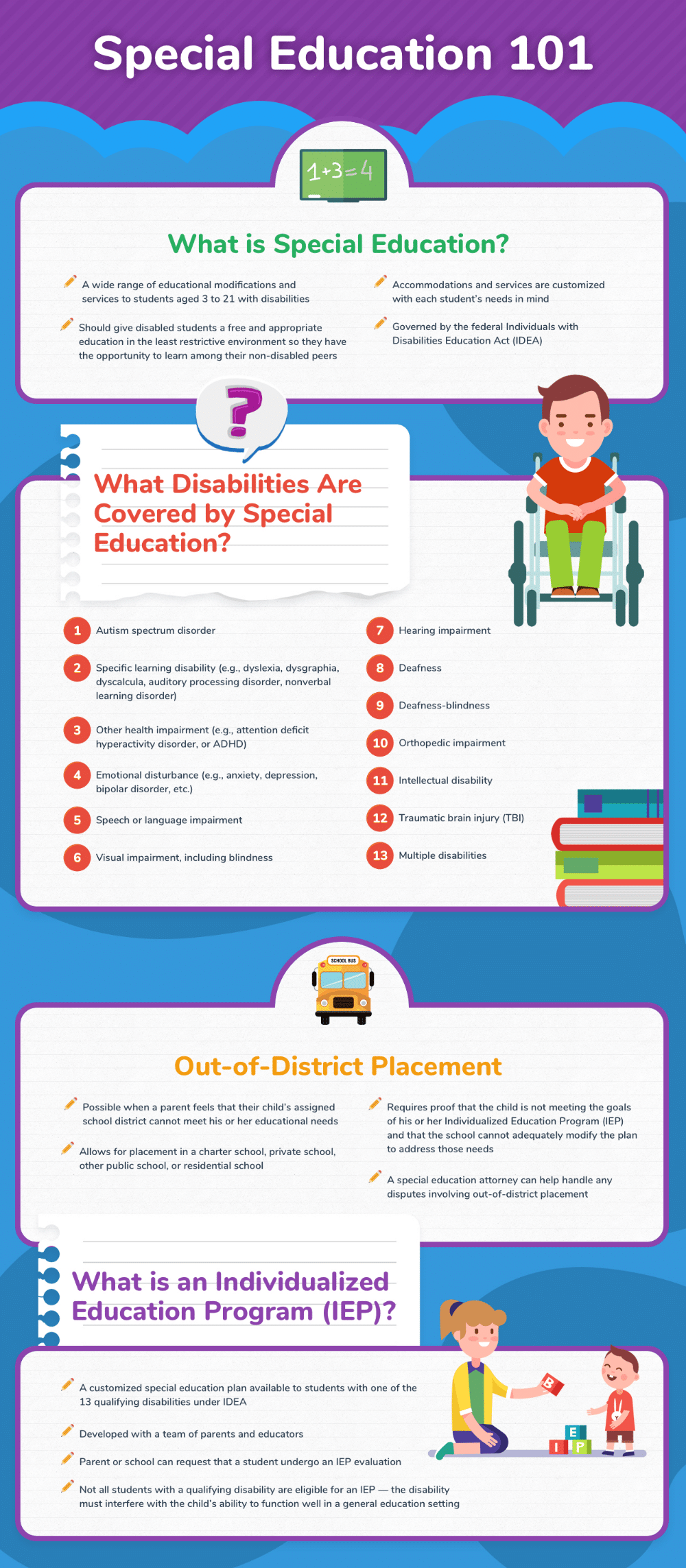
Yes, federal laws like the Individuals with Disabilities Education Act (IDEA) mandate that schools must conduct non-discriminatory evaluations to identify and provide services for children with special needs.


Non-discriminatory evaluation, as defined scientifically, is a systematic and objective assessment process used to determine a child’s unique strengths and challenges, regardless of their race, gender, disability, or other factors. It ensures that each child’s abilities and needs are accurately identified and addressed to provide them with the best possible support and education. This evaluation is crucial in creating an inclusive and equitable learning environment for all children with special needs.

Non-discriminatory evaluation ensures a fair and equitable assessment of children with special needs. Here’s how it works in practice:
Non-discriminatory evaluation ensures that every child is given a fair chance to shine by tailoring assessments to their needs, fostering inclusivity and equity in education. Goally’s tablet apps support non-discriminatory evaluation for kids with special needs, promoting inclusive assessments and enhancing their educational journey.