MELAS Syndrome is a rare and complex condition that affects the brain and muscles. It can cause difficulties in energy production within the body, leading to symptoms like muscle weakness, seizures, and problems with thinking and learning.


MELAS Syndrome is a rare and complex condition that affects the brain and muscles. It can cause difficulties in energy production within the body, leading to symptoms like muscle weakness, seizures, and problems with thinking and learning.


How is MELAS Syndrome diagnosed?
Diagnosis involves a combination of clinical evaluation, imaging studies, and genetic testing to identify the specific mitochondrial DNA mutations associated with the condition.
Can MELAS Syndrome be inherited?
Yes, MELAS Syndrome is typically inherited from the mother due to mitochondrial DNA mutations, but it can also arise spontaneously in some cases.
Can MELAS Syndrome be prevented?
Currently, there is no way to prevent the genetic mutations that cause MELAS Syndrome. Early diagnosis and management can help improve outcomes and quality of life.
Are there any specific lifestyle changes that can benefit individuals with MELAS Syndrome?
Maintaining a healthy and balanced diet, staying physically active within the limits of the condition, and managing stress can positively impact the well-being of individuals with MELAS Syndrome.


MELAS Syndrome, which stands for Mitochondrial Encephalomyopathy, Lactic Acidosis, and Stroke-like episodes, is a rare genetic disorder. It impacts the mitochondria, the “powerhouses” of our cells, affecting their ability to produce energy effectively. This can lead to various symptoms, including muscle weakness, recurrent seizures, stroke-like episodes, and cognitive challenges. While it’s a challenging condition, early diagnosis, and appropriate management can help improve the quality of life for individuals with MELAS Syndrome.

MELAS Syndrome can manifest with various symptoms, varying from person to person. Here are some common symptoms to look out for:
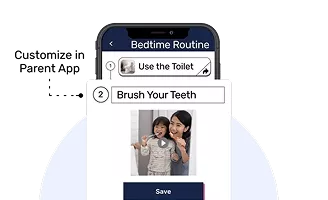
Recognizing these symptoms is the first step in supporting individuals with MELAS Syndrome. Goally, our innovative tablet, empowers children with MELAS Syndrome through fun apps that build life and language skills. From visual schedules to emotional regulation and social skill training, Goally offers crucial support for their development.