Trusted by over 100,000+ Parents

What is Locked-In Syndrome?

Home>>Neurodiversopedia>>L Terms

Summary

summary

Locked-in syndrome is when a person is aware and awake but cannot move their body except for their eyes. It’s like being “locked in” your body, but your mind is still active and alert. It can be caused by certain injuries or illnesses affecting the brainstem.

Frequently Asked Question

donut

How can individuals with locked-in syndrome communicate?

People with locked-in syndrome can use eye movements, blinking, or specialized assistive communication devices like AAC apps to convey their thoughts and needs.

What impact does locked-in syndrome have on cognitive abilities?

Locked-in syndrome mainly affects voluntary muscle control, leaving cognitive functions and awareness intact, allowing for meaningful interactions and understanding of the surrounding environment.

Is locked-in syndrome common?

No, locked-in syndrome is a rare condition, but its impact on communication and mobility can be profound.

Can individuals with locked-in syndrome experience emotions?

Yes, despite physical limitations, individuals with locked-in syndrome can experience a full range of emotions and should be treated with empathy and understanding.

Scientific Definition

scientist

Locked-in syndrome, scientifically known as pseudocoma, is a rare neurological condition characterized by complete paralysis of voluntary muscles, except for the eye muscles. Individuals with locked-in syndrome are conscious and aware of their surroundings but cannot speak or move their bodies. This condition is typically caused by damage to the lower brainstem, often resulting from stroke, brainstem tumors, or other severe neurological injuries. Despite the profound physical limitations, cognitive function, and emotional experiences remain intact, allowing for communication through eye movements or blinking. It is essential to provide these individuals with supportive care, communication aids, and specialized therapies to enhance their quality of life and enable meaningful interactions with their environment and loved ones.


Treatment for Locked-In Syndrome

While there is no cure for locked-in syndrome, a combination of therapies and assistive technologies can significantly improve the quality of life for those affected. Here are some potential treatments to consider:

  • Physical Therapy: Regular physical therapy sessions can help maintain joint flexibility and prevent muscle contractures.
  • Speech and Language Therapy: Working with a speech therapist can help explore alternative communication methods like eye-tracking devices or AAC apps.
  • Assistive Technologies: Innovative tools like Goally’s AAC app can facilitate communication and foster independence.
  • Emotional Support: Providing a supportive and understanding environment is crucial for emotional well-being.
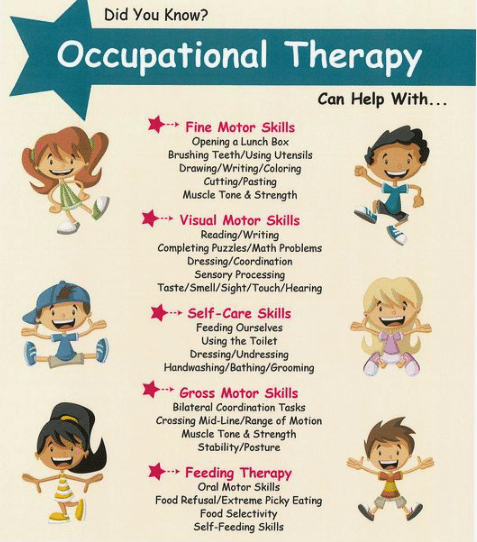
  • Occupational Therapy: Occupational therapy can focus on adapting daily routines and using assistive devices to enhance independence.

The long-term prognosis for locked-in syndrome varies depending on the underlying cause and the individual’s access to support and therapies. Individuals may lead fulfilling lives with appropriate care and technology, staying actively engaged with their environment and loved ones.

Symptoms of Locked-In Syndrome

Locked-in syndrome presents unique challenges as it severely limits physical abilities while preserving cognitive awareness. Here’s a concise overview of the main symptoms:

  • Paralysis: Complete loss of voluntary muscle control, except for eye movements.
  • Speech Impairment: Inability to speak or produce vocal sounds.
  • Limited Facial Expressions: Difficulty displaying facial expressions due to paralysis.
  • Quadriplegia: Paralysis affecting all four limbs, resulting in significant mobility restrictions.
  • Vertical Eye Movement: Individuals can usually move their eyes up and down, allowing for communication through eye signals.
  • Preserved Consciousness: Despite physical limitations, cognitive functions, and consciousness remain intact.

Individuals with locked-in syndrome can still lead meaningful lives with the right support and communication tools. Goally, a versatile tablet product, supports kids with locked-in syndrome through interactive apps that foster life skills, language development, emotional regulation, and executive functioning, promoting independence and overall well-being.