Trusted by 100,000+ Families

What is Leitner System?

Home>>Neurodiversopedia>>L Terms

Summary

summary

The Leitner system is a smart way of learning that helps kids with special needs remember things better. It’s like a game where you keep the cards you know in one pile and the ones you’re still learning in another. This makes learning fun and easier!

Frequently Asked Question

donut

How can the Leitner system benefit children with special needs?

The Leitner system provides a structured and personalized approach to learning, helping children with special needs improve memory, comprehension, and overall skill development in an engaging and accessible way.

Is the Leitner system suitable for all ages?

Yes, the Leitner system can be adapted for learners of all ages, including children, teenagers, and adults, making it a versatile tool for lifelong learning.

Are there any specific subjects or skills that the Leitner system works best for?

The Leitner system is versatile and can be applied to a wide range of subjects and skills, making it adaptable for various learning needs and goals.

What if my child doesn't respond well to the Leitner system?

If your child doesn’t seem to benefit from the Leitner system, consider adjusting the approach or seeking guidance from educators or specialists who can provide tailored recommendations to meet your child’s unique learning needs.

Scientific Definition

scientist

The Leitner system, originally designed as a flashcard-based learning method, is a structured approach to improving memory retention. This system divides learning materials, such as flashcards or study items, into several boxes or piles. As learners progress, correctly answered items are promoted to higher-level boxes, while incorrectly answered ones are demoted to lower-level boxes. This method optimizes the review of information, focusing more on items that are challenging for the learner. The Leitner system encourages effective and personalized learning, making it a valuable tool for children with special needs to enhance their memory and comprehension abilities.


Real World Example of Leitner System

Meet Susie, a bright and determined child with special needs. She struggled with remembering her new words for a school project. That’s when her mom introduced the Leitner system to make learning more fun and effective:

  • Starting Small: Susie and her mom created three boxes labeled “Easy,” “Medium,” and “Hard.”
  • Learning Fun: Susie’s mom made colorful flashcards with words. They started with the easy ones.
  • Promotion and Demotion: Whenever Susie got a word right, it moved to the “Medium” box. If she got it right again, it moved to “Hard.”
  • Focused Practice: Susie spent more time on the tricky words, reinforcing her memory.
  • Success! Susie knew all her words by the project deadline, acing her presentation.

The Leitner system turned learning into an exciting game for Susie, helping her remember and succeed, just like it can for your child, too!

How Does the Leitner System Work?

The Leitner system is a clever tool that helps kids with special needs remember information effectively. It’s like a personalized memory booster. Here’s how it works:

  • Box Organization: Information is divided into boxes or piles, usually starting with three or more.
  • Review Cycles: Learners review items from each box at different intervals: frequently for harder items and less frequently for easier ones.
  • Promotion and Demotion: When a child answers correctly, the item moves to a higher-level box. Wrong answers mean moving the item down to a lower-level box.
  • Focused Learning: This system concentrates review time on the items that challenge the learner the most.

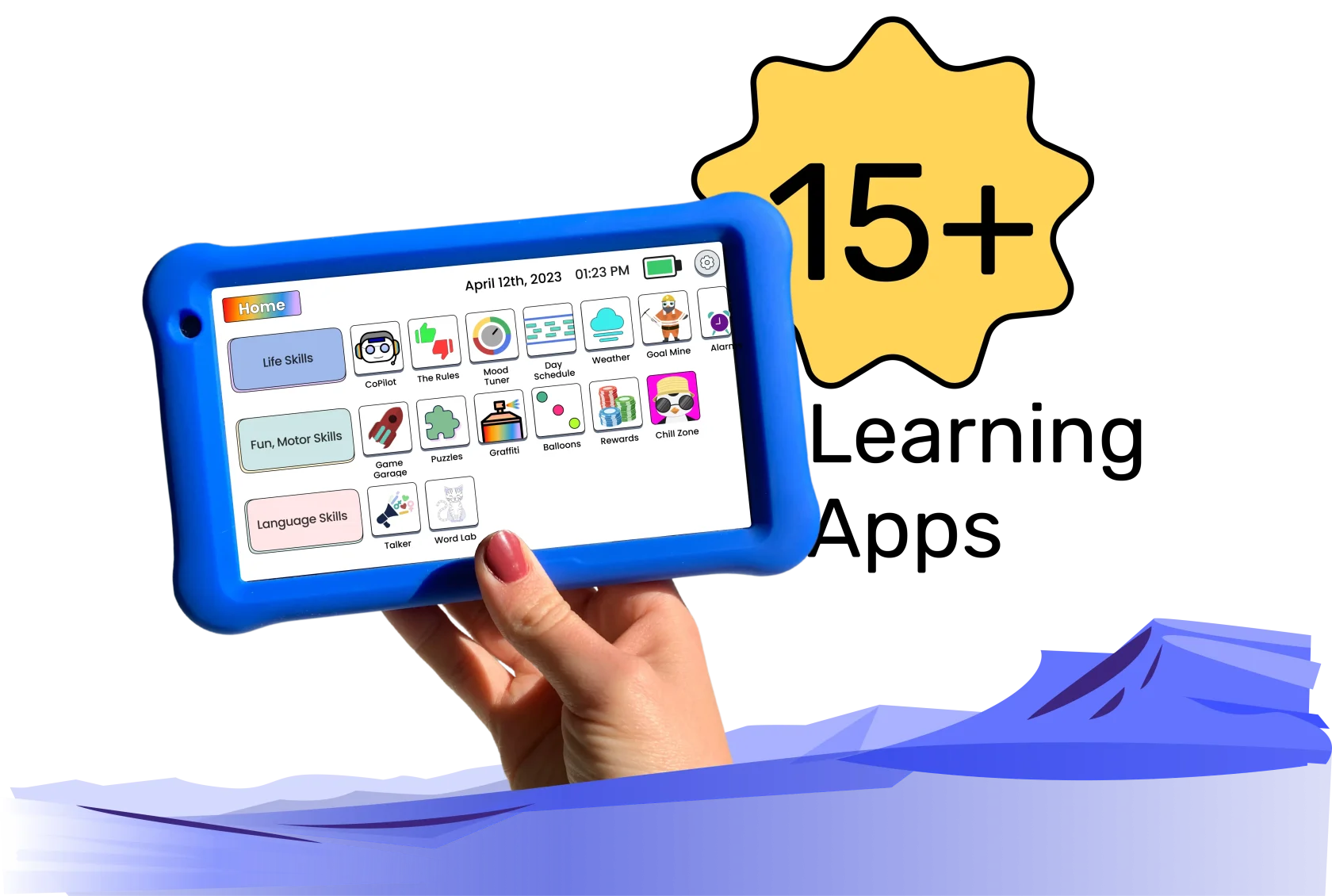
Using the Leitner system, children with special needs can enjoy a more structured and efficient way of retaining important information, making learning a rewarding experience. Goally’s tablet supports Leitner system learning. It enhances memory and comprehension through skill-focused apps, seamlessly integrating with this effective educational approach.