Trusted by 100,000+ Families

What is Inner Dyslexia?

Home>>Neurodiversopedia>>I Terms

Summary

summary

Inner dyslexia means having trouble processing information inside your mind. It affects how you understand what you read or hear and how you organize your thoughts. Think of it as a different way your brain works that doesn’t always fit with usual learning methods.

Frequently Asked Question

donut

How is inner dyslexia different from traditional dyslexia?

While traditional dyslexia primarily focuses on difficulties in outward reading, inner dyslexia encompasses challenges related to internal information processing and cognitive organization.

How can parents support a child with inner dyslexia at home?

Supporting a child with inner dyslexia involves incorporating multisensory learning, establishing structured routines, and introducing mindful practices to enhance focus and reduce stress.

Is there a long-term prognosis for individuals with inner dyslexia?

With consistent support and tailored strategies, individuals with inner dyslexia can develop effective coping mechanisms, leading to improved confidence and the ability to thrive in various aspects of life.

Can inner dyslexia be diagnosed in adults, or is it only identified in childhood?

Inner dyslexia can be identified in adults as well, especially when challenges in internal information processing impact daily tasks or work-related activities.

Scientific Definition

scientist

Inner dyslexia involves difficulties with how the brain internally processes language and information. Unlike typical dyslexia, which is often noticed through reading struggles, inner dyslexia affects how thoughts and information are organized and understood inside the mind. People with inner dyslexia may think and process information differently, which impacts how they grasp ideas and communicate them. Recognizing these unique thinking patterns is important for developing support strategies that fit each person’s needs.

Video Explanation

video-explanation

Treatment for Inner Dyslexia

Dealing with inner dyslexia may seem challenging, but there are practical steps you can take to support your child’s unique cognitive processes. Let’s explore effective treatments through simple strategies and empowering stories:

Treatment Description
Multisensory Learning Engage your child in activities that involve multiple senses, like reading aloud while using visual aids. This helps reinforce connections between different areas of the brain.
Structured Routines Establish consistent daily routines, providing a sense of predictability and organization. This aids individuals with inner dyslexia in managing tasks and information more effectively.
Mindful Practices Introduce mindfulness exercises to enhance focus and reduce stress. Simple breathing exercises or short meditation sessions can be beneficial.

With consistent support and tailored strategies, individuals with inner dyslexia can thrive. Over time, they can develop effective coping mechanisms, fostering confidence in their unique cognitive abilities.


Symptoms of Inner Dyslexia

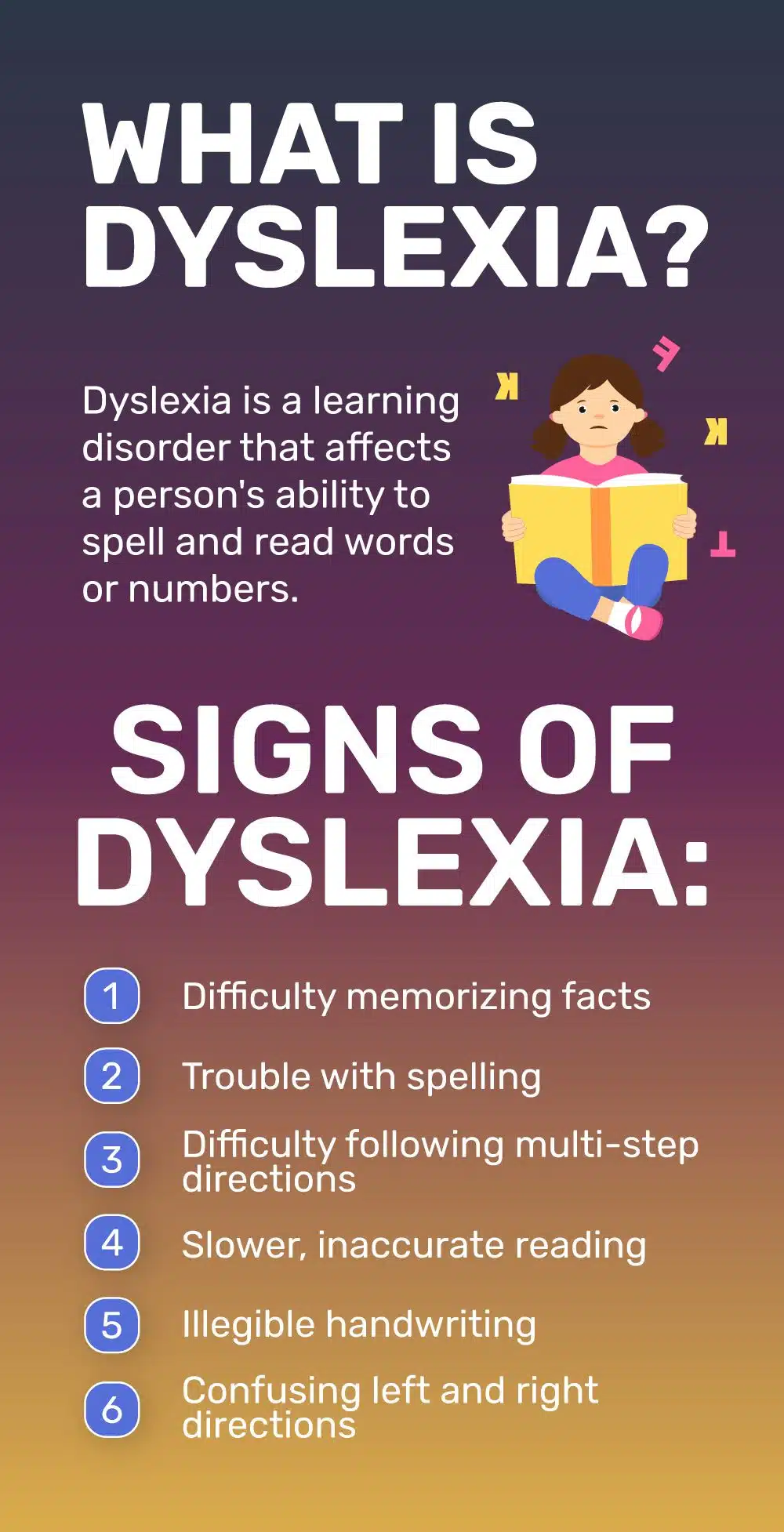
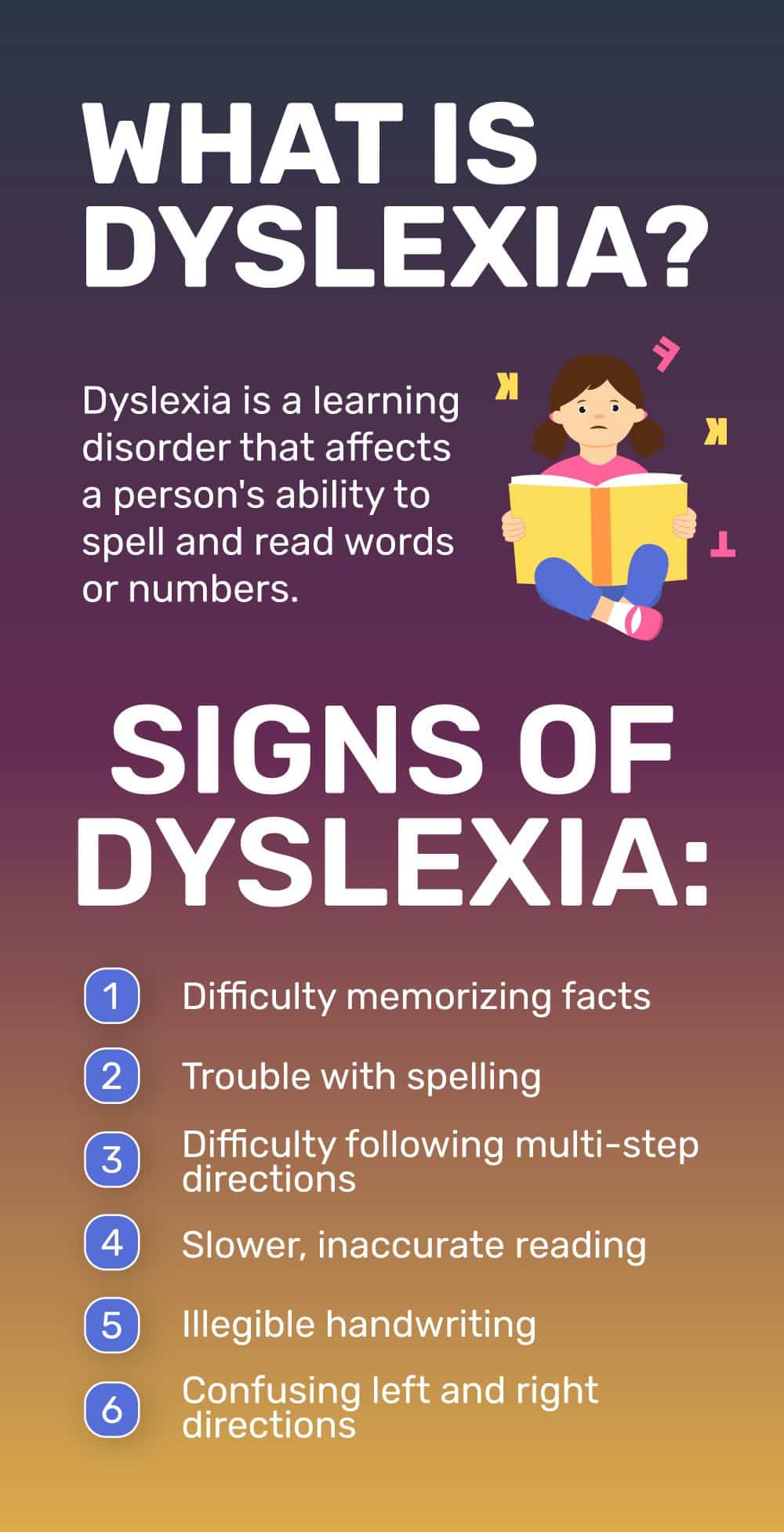
Understanding the signs of inner dyslexia is crucial for providing the proper support. Recognizing these symptoms early empowers parents to take proactive steps in assisting their child’s unique cognitive needs.

  • Information Overload: Difficulty processing and organizing information internally.
  • Varied Thought Patterns: Individuals may exhibit unconventional thinking styles.
  • Word Retrieval Challenges: Struggles to express thoughts verbally or in writing.
  • Time Perception Differences: Difficulty estimating and managing time effectively.

If you notice these signs, remember that early intervention is key. Embrace your child’s unique thinking style, and consider implementing supportive strategies, such as breaking tasks into smaller steps or using visual aids to enhance comprehension.