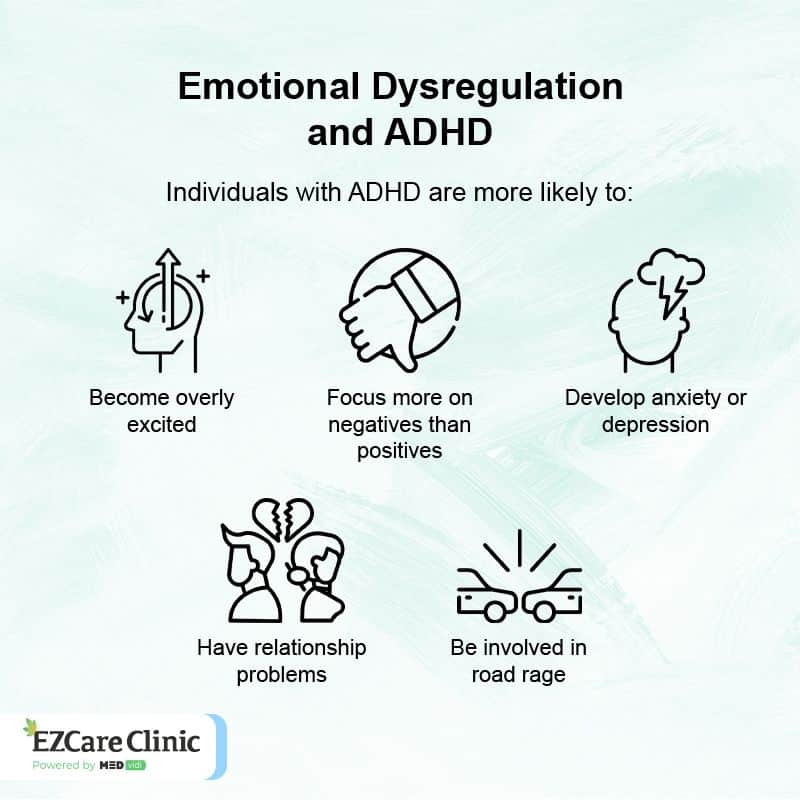
Hyperkinetic disease is when someone, often a child, has a lot of extra energy and moves a lot. They may find it hard to sit still and can be more impulsive. This means they might act quickly without thinking first.



Hyperkinetic disease is when someone, often a child, has a lot of extra energy and moves a lot. They may find it hard to sit still and can be more impulsive. This means they might act quickly without thinking first.


How is hyperkinetic disease different from ADHD?
Hyperkinetic disease is a subtype of ADHD, characterized by more pronounced hyperactivity and impulsivity. While all children with hyperkinetic disease have ADHD, not all children with ADHD exhibit the extreme levels of activity seen in hyperkinetic disease.
What causes hyperkinetic disease?
The exact cause of hyperkinetic disease is unknown, but it’s believed to involve genetic factors, brain chemistry, and environmental influences. Research is ongoing to better understand its origins.
How can I help my child with hyperkinetic disease?
Is hyperkinetic disease common in children?
Hyperkinetic disease, as a specific subtype of ADHD, is less common than ADHD in general. However, ADHD, including hyperkinetic manifestations, affects about 5-7% of children worldwide, making awareness and understanding important.


Hyperkinetic disease, also known as Hyperkinetic Disorder, is a medical condition characterized by excessive physical movements and impulsive behaviors. These symptoms are more intense than typical energy levels seen in children. Individuals with hyperkinetic disease may struggle with attention and controlling their actions. This condition is a type of Attention Deficit Hyperactivity Disorder (ADHD) and is more common in boys. It’s estimated that ADHD, including hyperkinetic types, affects about 5-7% of children globally.

Recognizing the symptoms of hyperkinetic disease is crucial for early intervention and management. Here’s a quick overview:
If you notice these signs in your child, discuss them with a healthcare professional. Early recognition and action can make a significant difference in managing hyperkinetic disease effectively.