Trusted by 100,000+ Families

What is Encephalitis Lethargica?

Home>>Neurodiversopedia>>E Terms

Summary

summary

Encephalitis lethargica, often called “sleepy sickness,” is a rare neurological disorder. It can make people feel extremely drowsy and sleepy.

Frequently Asked Question

donut

What causes encephalitis lethargica?

The exact cause is still uncertain, but it is believed to be related to viral infections or autoimmune responses affecting the brain.

Is encephalitis lethargica contagious?

No, encephalitis lethargica is not contagious; it cannot be transmitted from person to person.

Can encephalitis lethargica be treated?

Treatment focuses on managing symptoms, and early intervention with medications and therapies like physical, speech, and occupational therapy can help improve the quality of life for affected individuals.

What is the long-term prognosis for someone with encephalitis lethargica?

The prognosis varies, with some individuals experiencing a full recovery and others facing lingering effects. Timely medical care and ongoing support can significantly influence the long-term outcome and quality of life.

Scientific Definition

scientist

Encephalitis lethargica is a neurological disorder characterized by extreme drowsiness, muscle weakness, and movement problems. It is a rare condition that affects the brain and can lead to prolonged periods of excessive sleepiness. While uncommon, it’s crucial to be aware of its existence as it can impact individuals’ daily lives. This condition was more widely recognized during the early 20th century but has become rare recently. Understanding its history and potential symptoms can be valuable for parents seeking information about their children’s neurological health.

Treatment for Encephalitis Lethargica

When facing the challenges of encephalitis lethargica, knowing how to provide the best care for your child is crucial. Here are some common treatments that you should consider:

Prompt Medical Care: If you suspect your child may have encephalitis lethargica, seek immediate medical attention to ensure a timely diagnosis.
Medications: Healthcare professionals may prescribe medications tailored to manage specific symptoms, such as excessive sleepiness, muscle stiffness, or mood changes.
Physical Therapy: Engaging in physical therapy sessions can assist in improving muscle strength and mobility, aiding recovery.
Speech Therapy: If speech and communication are impacted, speech therapy can effectively regain language skills and improve communication abilities.
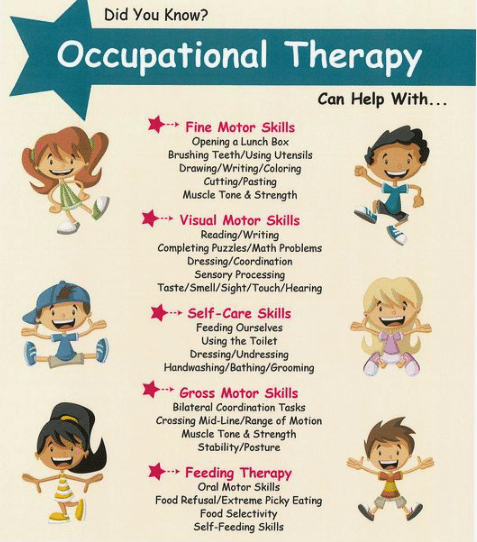
Occupational Therapy: Occupational therapists can help your child develop essential daily life skills, fostering independence and enhancing their overall well-being.

While outcomes can vary, early diagnosis and appropriate treatment can significantly improve the prognosis for encephalitis lethargica. Some individuals may experience a full recovery, while others might have lingering effects. 

Symptoms of Encephalitis Lethargica

Encephalitis lethargica presents with various symptoms, which can range in severity. It’s essential to recognize these signs for early intervention.

  • Extreme Sleepiness: Individuals with this condition often experience overwhelming drowsiness and may have difficulty staying awake.
  • Muscle Weakness: Muscle stiffness and weakness can make moving and performing daily activities challenging.
  • Movement Problems: In some cases, encephalitis lethargica may lead to involuntary movements or difficulty coordinating physical actions.
  • Mood Changes: Mood swings and emotional instability can affect well-being.
  • Speech and Communication Issues: Some individuals may struggle with speech, making expressing themselves verbally difficult.

Understanding these symptoms is crucial for identifying encephalitis lethargica. If you notice these signs in your child, seek medical advice promptly to provide the necessary care and support.