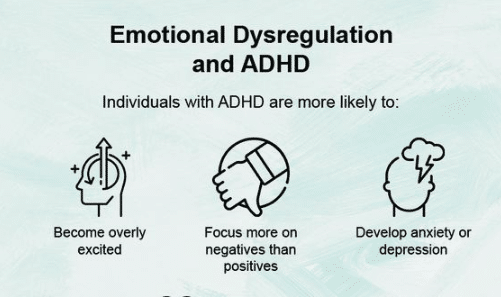
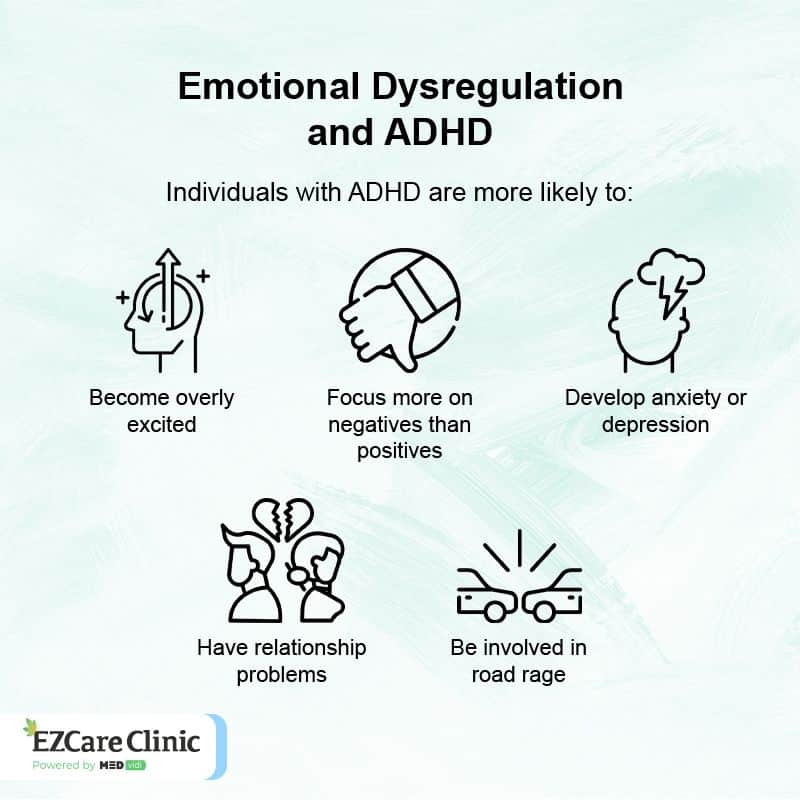
Emotional hyperarousal is when a person’s emotions become extremely intense and overwhelming. It means feeling things very strongly and finding it hard to calm down when upset or excited.



Emotional hyperarousal is when a person’s emotions become extremely intense and overwhelming. It means feeling things very strongly and finding it hard to calm down when upset or excited.


Is emotional hyperarousal a permanent condition?
Emotional hyperarousal is a symptom that can occur in various neurodivergent conditions and may vary in intensity and duration. With appropriate interventions, support, and coping strategies, children can learn to manage and regulate their emotions effectively over time.
Can emotional hyperarousal be triggered by specific situations or stimuli?
Yes, emotional hyperarousal can be triggered by specific situations, sensory stimuli, or emotional triggers that may overwhelm the individual’s capacity to regulate their emotions. Identifying and understanding these triggers can help in developing effective strategies for emotional regulation.
Can emotional hyperarousal be outgrown or resolved with age?
The intensity of emotional hyperarousal can vary from child to child, and with proper support and interventions, many children can develop improved emotional regulation skills as they grow older.
Can emotional hyperarousal affect a child's daily functioning?
Yes, emotional hyperarousal can impact a child’s daily functioning by affecting their ability to concentrate, engage in social interactions, complete tasks, and participate in daily routines. It is essential to address and support emotional regulation to promote overall well-being.


Emotional hyperarousal refers to an intense emotional response that can occur in children. It is characterized by heightened sensitivity to emotional stimuli, leading to exaggerated emotional reactions and difficulty regulating or managing these emotions. Children experiencing emotional hyperarousal may find it challenging to calm themselves down, and their emotions may appear more intense than what is typically observed in their peers. This heightened emotional reactivity can be associated with various neurodivergent conditions, such as autism spectrum disorder, attention deficit hyperactivity disorder (ADHD), or sensory processing disorder. It is important to provide appropriate support and strategies to help children effectively cope with emotional hyperarousal, promoting their emotional well-being and overall development.

Emotional hyperarousal is linked to various neurodivergent conditions. Understanding these conditions can help parents provide support for their child’s emotional well-being. Here are some conditions associated with emotional hyperarousal:
Recognizing conditions linked to emotional hyperarousal helps parents seek appropriate support. Goally, a tablet tool, offers apps for emotional regulation, executive functioning, and social skills. By integrating Goally into routines, parents can support their child’s emotional well-being and overall development.