Trusted by 100,000+ Families

What is Dysthymia?

Home>>Neurodiversopedia>>D Terms

Summary

summary

Dysthymia, sometimes called Persistent Depressive Disorder (PDD), is a mood disorder that can affect children and adults. It’s like feeling sad or down most of the time, but not as intense as major depression. People with dysthymia can still enjoy good moments, but the sad feelings linger long.

Frequently Asked Question

donut

Can dysthymia be diagnosed in children?

Yes, dysthymia can be diagnosed in children and adolescents based on the presence of specific symptoms lasting for at least one year.

What should I do if I suspect my child has dysthymia?

If you suspect your child may have dysthymia or any mental health concerns, it’s important to seek professional advice from a healthcare provider or mental health specialist for a proper evaluation and guidance.

Can dysthymia develop in adulthood even if my child didn't have it before?

Yes, dysthymia can develop in adulthood even if your child did not exhibit symptoms in their earlier years. It’s essential to stay aware of any changes in mood or behavior.

Is it possible for children with dysthymia to experience moments of happiness?

Yes, children with dysthymia can still experience moments of happiness and joy, but they may also have persistent feelings of sadness and hopelessness alongside those positive emotions.

Scientific Definition

scientist

Dysthymia, or Persistent Depressive Disorder (PDD), is a chronic mood disorder characterized by persistent sadness and hopelessness. Unlike major depression, the symptoms of dysthymia are less severe, but they last for an extended period, typically lasting for at least two years in adults and one year in children and adolescents. Individuals with dysthymia may experience changes in appetite, sleep disturbances, low energy, poor self-esteem, and difficulty concentrating. Parents of kids with special needs need to be aware of this condition, as early diagnosis and appropriate support can significantly improve their child’s well-being and overall quality of life.

Treatment for Dysthymia

Finding effective treatments for dysthymia can significantly improve your child’s well-being. Here are some approaches that you can try:

  • Psychotherapy (Talk Therapy): Engaging in regular therapy sessions with a qualified mental health professional can provide a safe space for your child to express their feelings and learn coping strategies.
  • Medication (if necessary): In some cases, doctors may recommend antidepressant medication to help manage the symptoms of dysthymia.
  • Support from Family and Educators: Creating a supportive environment at home and school can make a difference. Encouraging open communication and understanding can help your child feel loved and valued.
  • Healthy Lifestyle Choices: Encourage regular physical activity, proper nutrition, and sufficient sleep to promote overall well-being.
  • Mindfulness and Relaxation Techniques: Teach your child simple relaxation exercises, like deep breathing or mindfulness practices, to reduce stress and promote emotional regulation.
  • Engaging in Fun Activities: Encourage your child to participate in activities they enjoy, which can bring joy and fulfillment.

With early diagnosis and appropriate support, children with dysthymia can experience improved emotional well-being and quality of life. Many individuals find relief from symptoms through therapies and positive lifestyle changes, leading to a more positive outlook for their future.

Symptoms of Dysthymia

Recognizing the symptoms of dysthymia is crucial for parents of children with special needs. Here are some of the most common signs to watch out for:

  • Persistent Low Mood: Your child may often feel sad or down, even during positive moments.
  • Hopelessness: They may experience a sense of hopelessness or a lack of optimism about the future.
  • Changes in Appetite: Dysthymia can lead to noticeable shifts in eating habits, either overeating or loss of appetite.
  • Sleep Disturbances: Your child might have trouble sleeping or experience excessive sleep.
  • Low Energy: They may seem consistently tired or need more energy.
  • Poor Self-Esteem: Dysthymia can contribute to low self-esteem and a negative self-image.
  • Difficulty Concentrating: Your child might have trouble focusing on tasks or schoolwork.

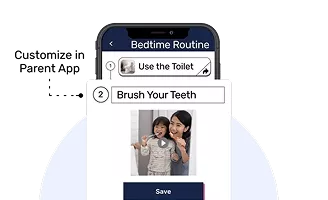
Early diagnosis and appropriate support can significantly affect their emotional well-being and overall quality of life. Goally, a tablet with fun and educational apps, supports kids with dysthymia, helping them manage emotions and routines, fostering emotional and social growth.