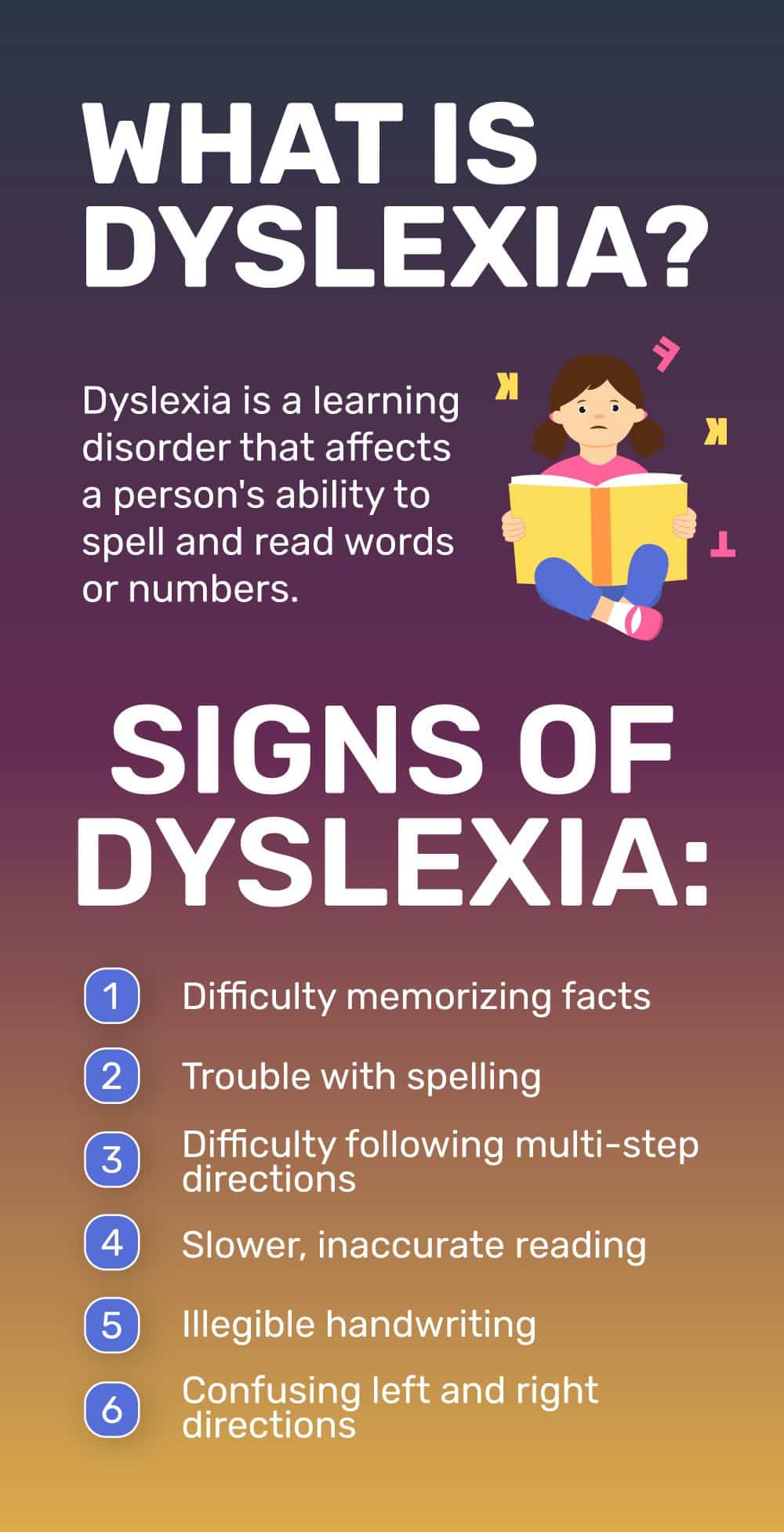
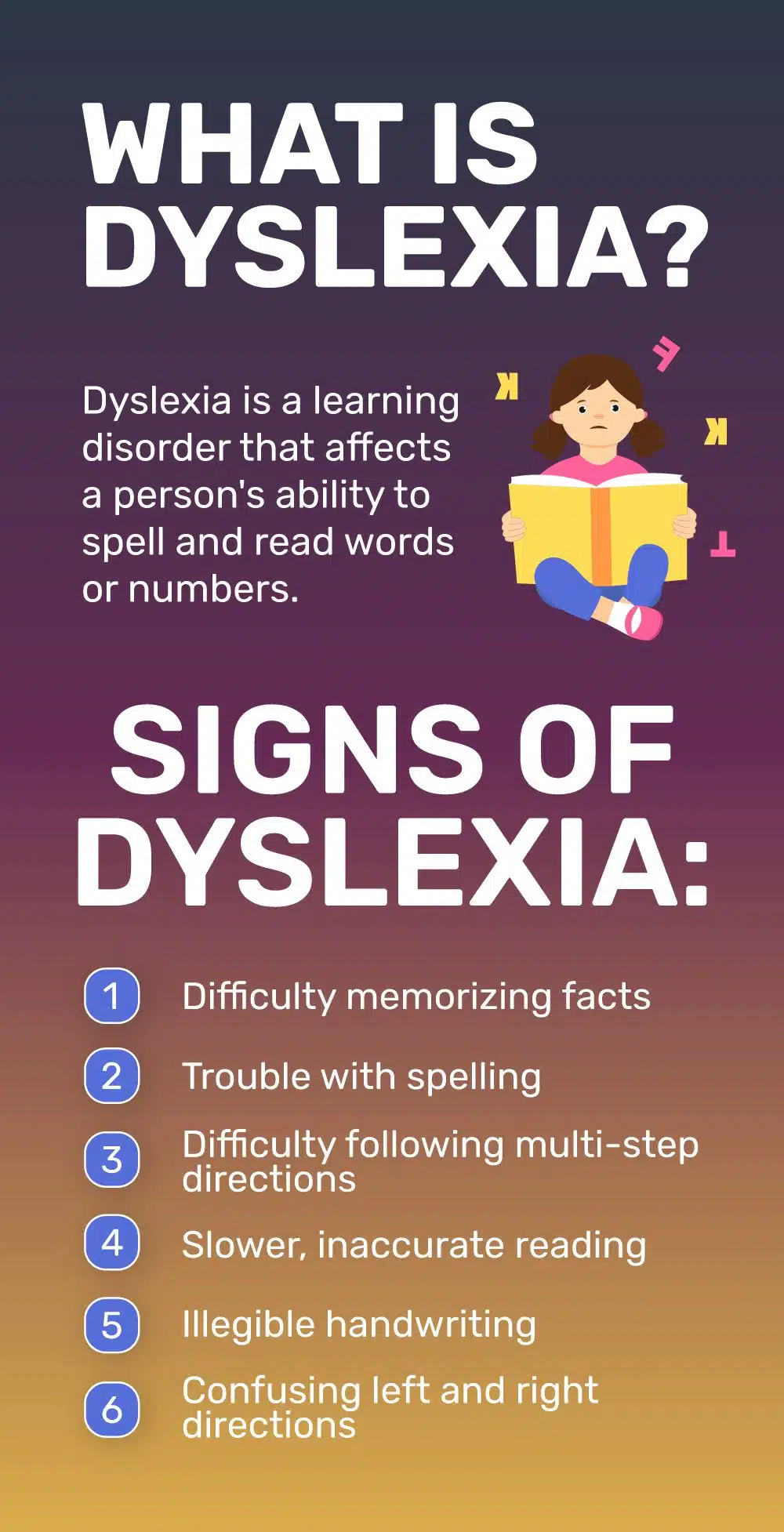
Dysorthographia is when someone has difficulty with spelling and writing. When writing things down, someone might need help putting letters and words in order.



Dysorthographia is when someone has difficulty with spelling and writing. When writing things down, someone might need help putting letters and words in order.


Is dysorthographia related to intelligence?
Dysorthographia is not related to intelligence; it is a specific difficulty in processing and reproducing written language accurately, irrespective of a person’s overall cognitive abilities.
Can dysorthographia affect other areas of learning?
Yes, dysorthographia can impact other academic areas, such as reading comprehension and written expression, as well as overall confidence in classroom participation.
Is dysorthographia the same as dyslexia?
No, dysorthographia specifically refers to spelling and writing difficulties, while dyslexia primarily involves challenges in reading, decoding, and language processing.
Can dysorthographia improve with age?
With early intervention and targeted support, many individuals with dysorthographia can significantly improve their writing skills and find effective ways to compensate for their challenges as they grow older.


Dysorthographia is a specific learning difficulty related to written language, where individuals experience persistent challenges in spelling and writing. People with dysorthographia may struggle with organizing letters and words correctly, leading to errors and inconsistencies in their written work. This condition is not related to intelligence or lack of effort but rather a specific difficulty in accurately processing and reproducing written language. Early identification and targeted support can significantly help individuals with dysorthographia to improve their writing skills and overall confidence in written communication.

Recognizing the symptoms of dysorthographia can be crucial in supporting children with this condition. Here are the most common symptoms that you should watch out for:
By understanding these signs, parents can provide the necessary assistance to help their children overcome writing challenges and foster their self-confidence. Goally, the interactive tablet, helps kids with dysorthographia develop language skills through fun apps like gamified learning, AAC, and social skills training videos, building confidence in communication and interaction.