Dysarthria is difficulty speaking clearly due to brain-muscle control issues. It affects both kids and adults, regardless of intelligence. With help from specialized educators, improvement is possible.


Dysarthria is difficulty speaking clearly due to brain-muscle control issues. It affects both kids and adults, regardless of intelligence. With help from specialized educators, improvement is possible.


Can dysarthria be treated?
Yes, speech therapists can help people with dysarthria by teaching exercises, offering tools, and providing support to improve speech clarity.
Is dysarthria a learning problem?
No, dysarthria is not a learning issue; it’s about muscle control, so people with dysarthria may have average or above-average intelligence.
How can I help someone with dysarthria?
Be patient, listen carefully, and offer encouragement while they speak; also, consider seeking help from a speech therapist for professional guidance.


Dysarthria is a speech issue caused by difficulty controlling the muscles used in speech, including those in the face, lips, tongue, throat, and lungs. It can result from brain injury, stroke, or conditions like Parkinson’s or cerebral palsy. Although anyone can be affected, dysarthria is often seen in individuals with special needs, including children. Symptoms include slow speech, slurring of words, difficulty speaking loudly, and a nasal or breathy sound. Working with speech therapists is crucial for improvement. They provide exercises and tools to facilitate communication. It’s important to remember that dysarthria is not a learning problem but a challenge related to muscle control. Patience and support are key when interacting with individuals facing this speech challenge.

Dysarthria is characterized by various speech difficulties caused by impaired muscle control. Here are common symptoms associated with this condition:
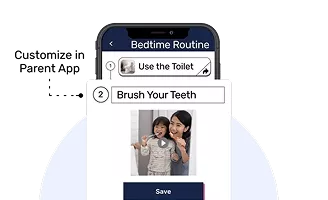
If you or your child experience these symptoms, it is recommended to consult with a speech therapist for assessment and appropriate interventions. Goally, our tablet product, helps kids with Dysarthria build life and language skills through fun apps like digital visual schedules, AAC, gamified learning, and more. It also teaches emotional regulation, executive functioning skills, and social skills through training videos.
This post was originally published on April 1, 2023. It was updated on July 19, 2023.