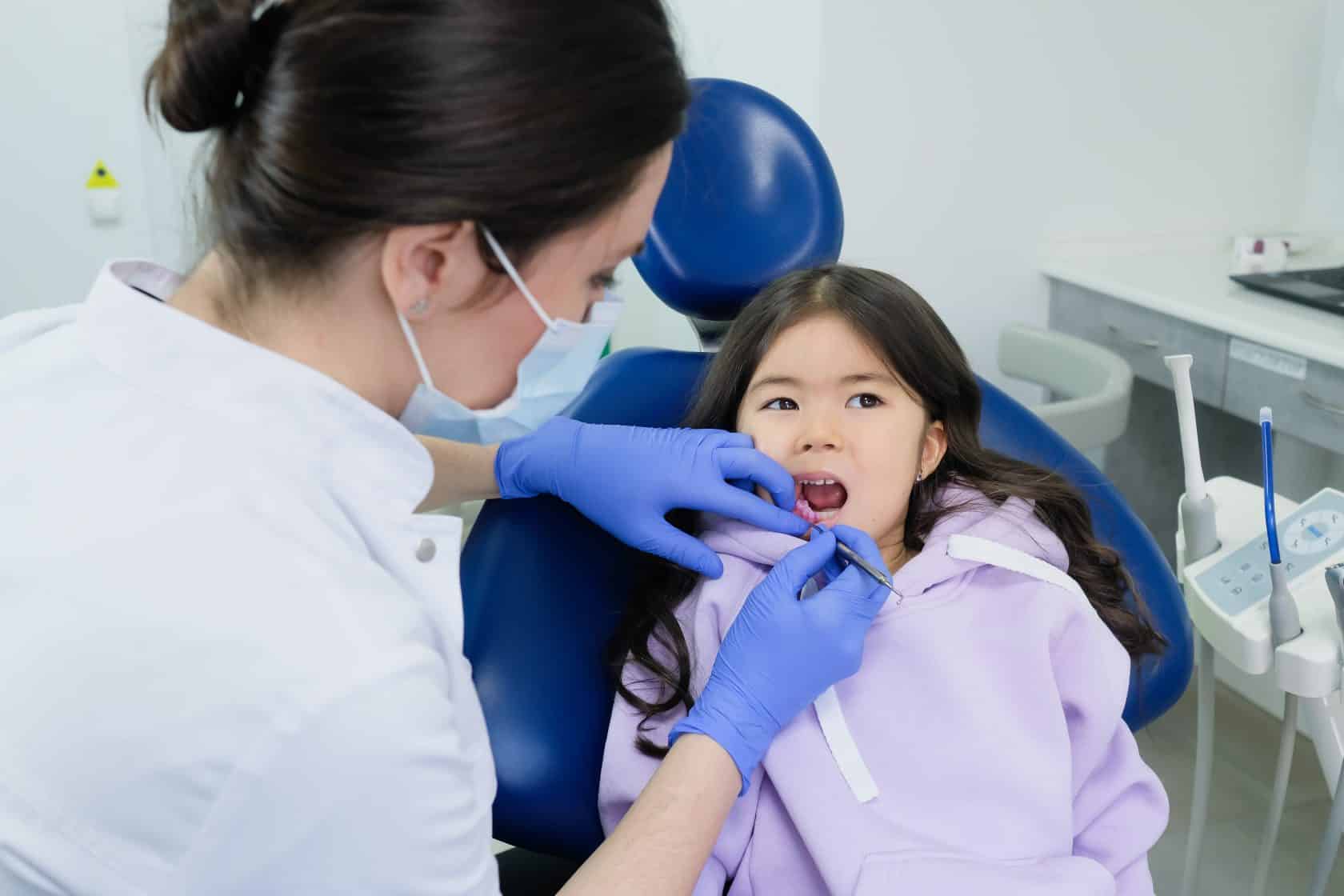
Bruxism is when a person grinds or clenches their teeth. It can happen during the day or while they’re sleeping at night. It’s important to pay attention to bruxism because it can sometimes cause problems with the teeth and jaw.



Bruxism is when a person grinds or clenches their teeth. It can happen during the day or while they’re sleeping at night. It’s important to pay attention to bruxism because it can sometimes cause problems with the teeth and jaw.


How is bruxism diagnosed?
A healthcare professional or dentist can diagnose bruxism by conducting a physical examination, discussing symptoms and oral habits, and sometimes recommending a sleep study or dental imaging.
Is bruxism harmful?
Bruxism can lead to dental problems like tooth wear, jaw pain, and headaches. If left untreated, it may cause long-term damage to the teeth and surrounding structures. Seeking treatment is important to prevent potential complications.
Can children have bruxism?
Yes, bruxism can affect children as well. It is relatively common among children and often resolves on its own as they grow older. However, monitoring their symptoms and consulting a healthcare professional is recommended.
Can bruxism affect the temporomandibular joint (TMJ)?
Yes, bruxism can cause strain on the temporomandibular joint, leading to temporomandibular joint disorder (TMD). Individuals with bruxism may experience jaw pain, clicking or popping sounds in the jaw, and difficulty in opening or closing the mouth fully.


Bruxism, commonly known as teeth grinding, refers to the repetitive movement of the jaw that causes the teeth to rub against each other. It can occur both during waking hours and during sleep. When awake, bruxism often involves clenching the teeth together tightly, while during sleep, it manifests as rhythmic grinding. This condition can lead to several issues, including tooth wear, jaw muscle pain, headaches, and even damage to the teeth and surrounding structures. Parents need to be aware of bruxism in their children and take necessary steps to manage it, as early intervention can help prevent potential complications and maintain oral health.

Bruxism can have noticeable symptoms that help parents identify if their child is experiencing teeth grinding. By recognizing these signs, they can take appropriate steps to address the condition and provide relief.
If you notice bruxism symptoms in your child, consult a healthcare professional or dentist. Goally, a tablet-based solution, offers engaging apps and resources to support kids with bruxism. With features like visual schedules, gamified learning, and skills for emotional regulation and executive functioning, Goally helps children manage stress, establish oral care habits, and promote overall well-being.
Editor’s note: This information is not meant to diagnose or treat and should not take the place of personal consultation, as needed, with a qualified healthcare provider and/or BCBA.