Trusted by 100,000+ Families

What is Autism to Autism Communication?

Home>>Neurodiversopedia>>A Terms

Summary

summary

Autism to autism communication is when two people with autism talk to each other. It’s different from how people without autism might chat. Kids with autism often find it easier and more comfortable to communicate with others who share their unique way of thinking and expressing themselves.

Frequently Asked Question

donut

How can I improve communication with someone with autism?

Use clear, direct language and visual supports to enhance understanding. Be patient and allow extra time for responses to ensure effective communication.

Are there specific tools for autism communication?

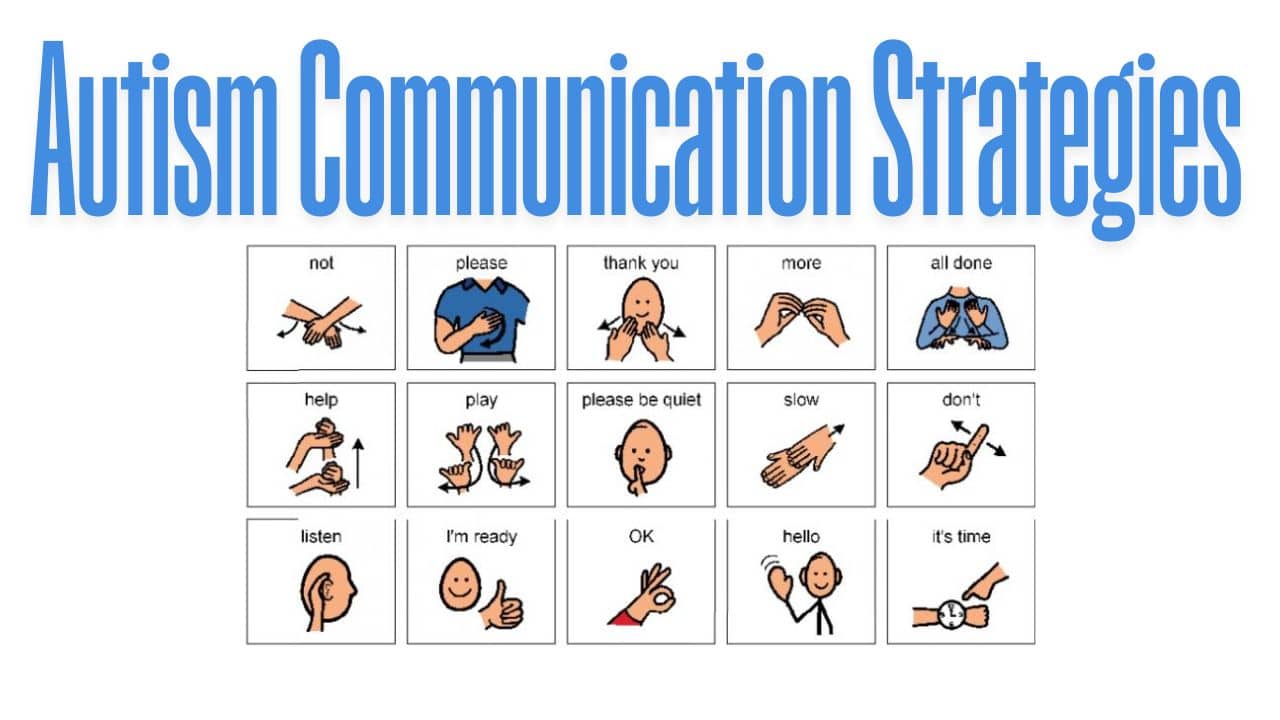
Yes, tools like picture exchange systems, communication devices, and social stories can support effective communication. These tools help convey messages in a way that suits the individual’s needs.

What role does non-verbal communication play in autism?

Non-verbal communication, such as gestures and visual aids, is crucial in autism communication. It helps convey messages when verbal skills are limited or unclear.

How can parents and teachers support communication development?

Parents and teachers can use consistent, supportive communication strategies and incorporate visual aids into daily routines. Encouraging and practicing communication in various settings helps build skills.

Scientific Definition

scientist

Autism to autism communication refers to the interaction between individuals on the autism spectrum. This form of communication often involves unique patterns of verbal and non-verbal exchange, potentially including shared interests, direct communication styles, and mutual understanding of sensory experiences. Research suggests that autistic individuals may find communicating with other autistic people less stressful and more natural than interacting with neurotypical individuals.

Resources:

Real World Example of Autism to Autism Communication

Meet Sam and Alex, two 8-year-old kids with autism who’ve just started hanging out at the local playground. Let’s look at how autism to autism communication works in real life.

  • Shared interests: Sam spots Alex’s dinosaur t-shirt and starts talking about his favorite prehistoric creatures.
  • Direct communication: Alex responds with facts about velociraptors, skipping small talk.
  • Comfortable silence: They sit side by side, quietly assembling a puzzle without feeling pressured to chat.
  • Sensory understanding: When it gets noisy, they both move to a quieter spot without needing to explain why.
  • Acceptance: Neither kid thinks twice about the other’s stimming or unique body language.

This interaction shows how autism to autism communication can be natural and comfortable for kids on the spectrum.

How Does Autism to Autism Communication Work?

Autism to autism communication happens in various settings and can be encouraged by parents and caregivers. Here’s how it works:

  • Shared language: Kids use similar communication styles, often direct and fact-based.
  • Mutual understanding: They’re more patient with each other’s unique behaviors or needs.
  • Reduced social pressure: There’s less expectation to follow typical social rules.
  • Interest-based interactions: Conversations often revolve around specific, shared interests.
  • Sensory considerations: They might naturally accommodate each other’s sensory preferences.
Setting Benefits
School Increased social comfort, potential friendships
Support Groups Sharing experiences, feeling understood
Online Forums Finding community, expressing thoughts freely
Play Dates Practicing social skills in a comfortable environment

As parents, encouraging these interactions can boost your child’s confidence and social well-being. Remember, every kid is unique, and what works for one might not work for another. Keep observing, stay patient, and celebrate the small victories in your child’s communication journey.