An ADHD attack is a sudden and intense period of ADHD symptoms that can be overwhelming for a child. It may involve extreme restlessness, impulsivity, emotional outbursts, or difficulty focusing.



An ADHD attack is a sudden and intense period of ADHD symptoms that can be overwhelming for a child. It may involve extreme restlessness, impulsivity, emotional outbursts, or difficulty focusing.


What triggers an ADHD attack?
Common triggers include high-stress situations, sensory overload, lack of routine, or overwhelming tasks. Identifying personal triggers is key to managing these episodes.
How can you help someone experiencing an ADHD attack?
Provide a calm environment, offer reassurance, help them focus on deep breathing or a simple, engaging task, and avoid overstimulating situations during the episode.
Are there preventative strategies for ADHD attacks?
Yes, maintaining a consistent routine, using organizational tools, ensuring adequate sleep, and managing diet can help reduce the frequency and severity of ADHD attacks.
How do you distinguish an ADHD attack from typical behavior?
An ADHD attack is characterized by a sudden, intense peak in symptoms that is not typical of the individual’s regular behavior pattern and significantly disrupts their function or routine.


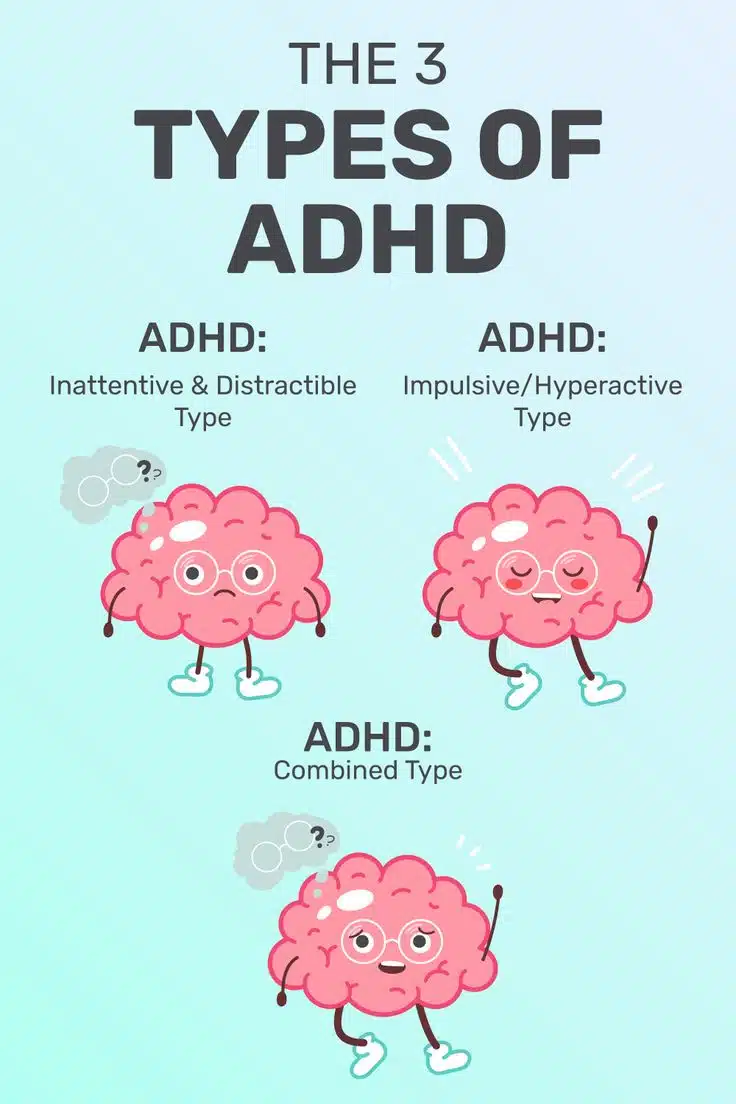
An ADHD attack refers to an acute exacerbation of attention-deficit/hyperactivity disorder (ADHD) symptoms. During these episodes, a child experiences a rapid onset and heightened severity of hallmark ADHD behaviors such as hyperactivity, inattention, and impulsivity. ADHD attacks can be triggered by various environmental or emotional stressors and may significantly disrupt a child’s functioning at home or school.

ADHD attacks may be more common in children who also have certain co-occurring conditions. Some associated conditions include:
| Condition | Relationship to ADHD Attacks |
|---|---|
| Anxiety disorders | Stress and worry can trigger or worsen attacks |
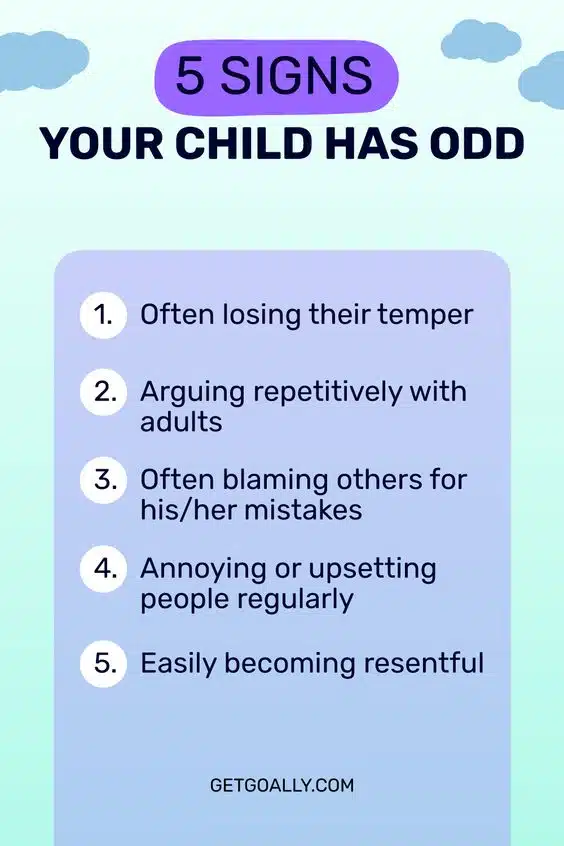
| Oppositional defiant disorder (ODD) | Defiance and anger outbursts may coincide with attacks |
| Sensory processing disorder | Overstimulation can lead to meltdowns and attacks |
Recognizing and addressing any co-occurring issues is key to effectively managing ADHD attacks. Work closely with your child’s healthcare providers to develop a comprehensive treatment plan.