Trusted by 100,000+ Families

What is ADHD Impulse Control?

Home>>Neurodiversopedia>>A Terms

Summary

summary

ADHD impulse control is when kids have trouble stopping themselves from doing or saying things without thinking first. It’s like their brain’s “pause button” doesn’t work as well, making it hard for them to wait or consider consequences before acting.

Frequently Asked Question

donut

What is impulse control in children with ADHD?

Impulse control is the ability to think before acting. Children with ADHD often struggle with this, leading to impulsive behaviors that can affect their daily life.

How can I help my child improve impulse control?

Consistent routines, positive reinforcement, and behavioral strategies like role-playing can help children with ADHD improve impulse control.

Are there specific activities that can help with impulse control in ADHD?

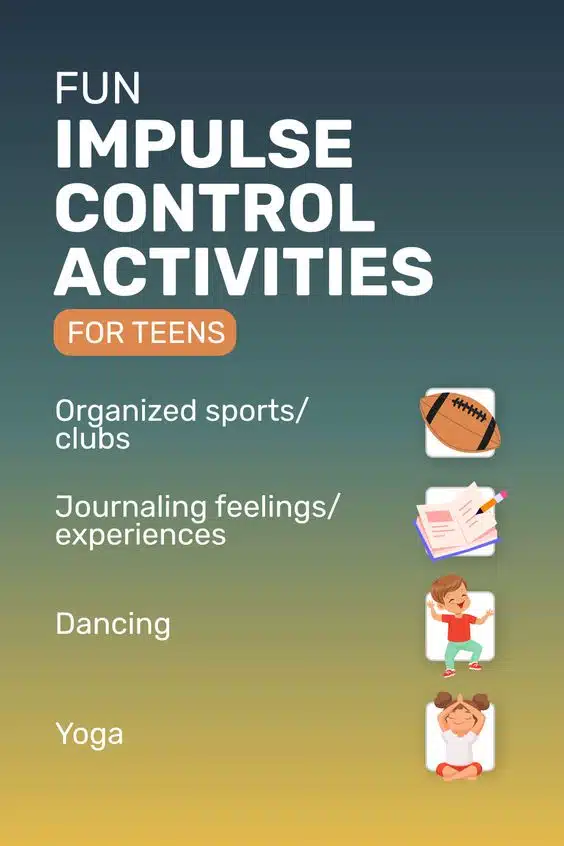
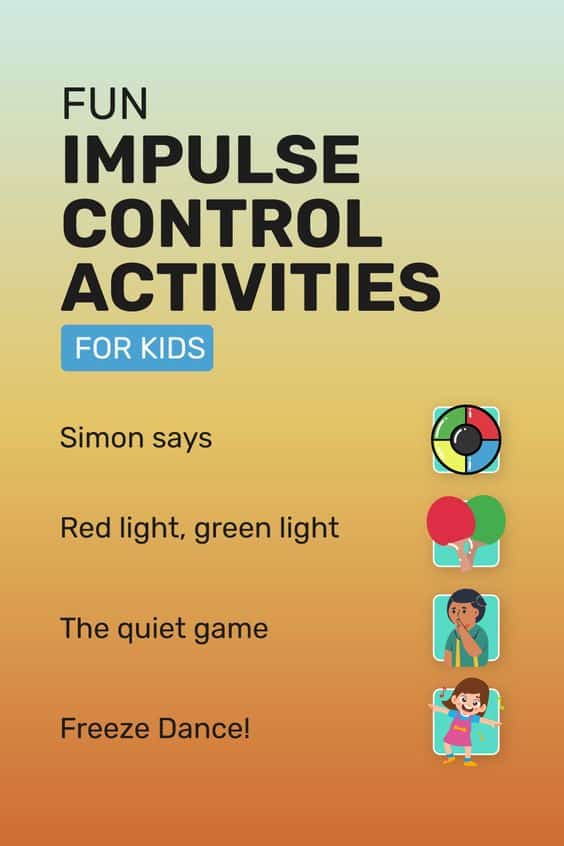
Yes, activities that require patience and focus, such as playing board games, practicing mindfulness, or engaging in turn-taking exercises, can be beneficial.

Can medication help with impulse control issues in ADHD?

Medication, such as stimulants prescribed for ADHD, can improve impulse control by helping the brain better regulate attention and behavior.

Scientific Definition

scientist

ADHD impulse control refers to the diminished ability to regulate spontaneous actions, reactions, or behaviors in individuals with Attention-Deficit/Hyperactivity Disorder. This executive function deficit often results in hasty decision-making, interrupting others, or engaging in potentially risky behaviors without fully considering the consequences.


Resources:

Treatment to Help with the Symptom ADHD Impulse Control

Parents can help kids manage impulse control with these strategies:

  • Establish routines: Create predictable daily schedules to reduce impulsive behavior.
  • Use visual cues: Post reminders or rules to help kids pause and think.
  • Practice mindfulness: Teach kids to be aware of their thoughts and actions.
  • Reward self-control: Praise kids when they show good impulse control.
  • Model patience: Show kids how to wait and think before acting.

Long-term, many kids with ADHD learn to manage their impulses better as they grow. With support and practice, they often develop strategies to think before acting. Remember, progress may be slow, but every small win is worth celebrating!


Conditions Associated with ADHD Impulse Control

ADHD impulse control often coexists with other conditions. Here’s a quick look at some common associations:

  • Oppositional Defiant Disorder (ODD): Difficulty following rules and controlling anger.
  • Anxiety: Excessive worry that can worsen impulsive behaviors.
  • Depression: Mood changes that may increase impulsivity.
  • Learning disabilities: Academic struggles that can lead to impulsive actions.
Condition Impact on Impulse Control
ODD May increase defiant, impulsive behavior
Anxiety Can lead to rash decisions to avoid stress
Depression Might cause sudden mood-driven actions
Learning Disabilities Can result in frustration-based impulsivity

These tips can help you better support your kid as they navigate their world with ADHD impulse control challenges.