Trusted by 100,000+ Families

What is a Speech Disability?

Home>>Neurodiversopedia>>S Terms

Summary

summary

A speech disability means a person has trouble making sounds, speaking clearly, or forming words. Kids with speech disabilities may struggle to say certain sounds, stutter, or have trouble controlling their voice. Some kids can understand language well but have difficulty expressing themselves verbally.

Frequently Asked Question

donut

What is a speech disability?

A speech disability is when a child has trouble speaking or making sounds correctly. This can affect how well others understand them.

How common are speech disabilities in kids?

About 5% of kids in the U.S. have noticeable speech disorders by the first grade. It is particularly common in kids with developmental disabilities.

Can speech disabilities be treated?

Yes, speech disabilities can be treated with speech therapy, communication devices, and special education services. Early intervention often leads to significant improvements.

What causes speech disabilities in kids?

Speech disabilities can be caused by various factors, including developmental delays, hearing loss, neurological disorders, and genetic conditions like Down syndrome.

Scientific Definition

scientist

A speech disability is a communication disorder that impairs the articulation of words, fluency, or voice quality. It encompasses conditions like stuttering, apraxia, and dysarthria, affecting approximately 5% of children in the United States. Speech disabilities can range from mild to severe, potentially influencing a child’s social interactions and academic performance.

Resources:

Treatment for Speech Disability

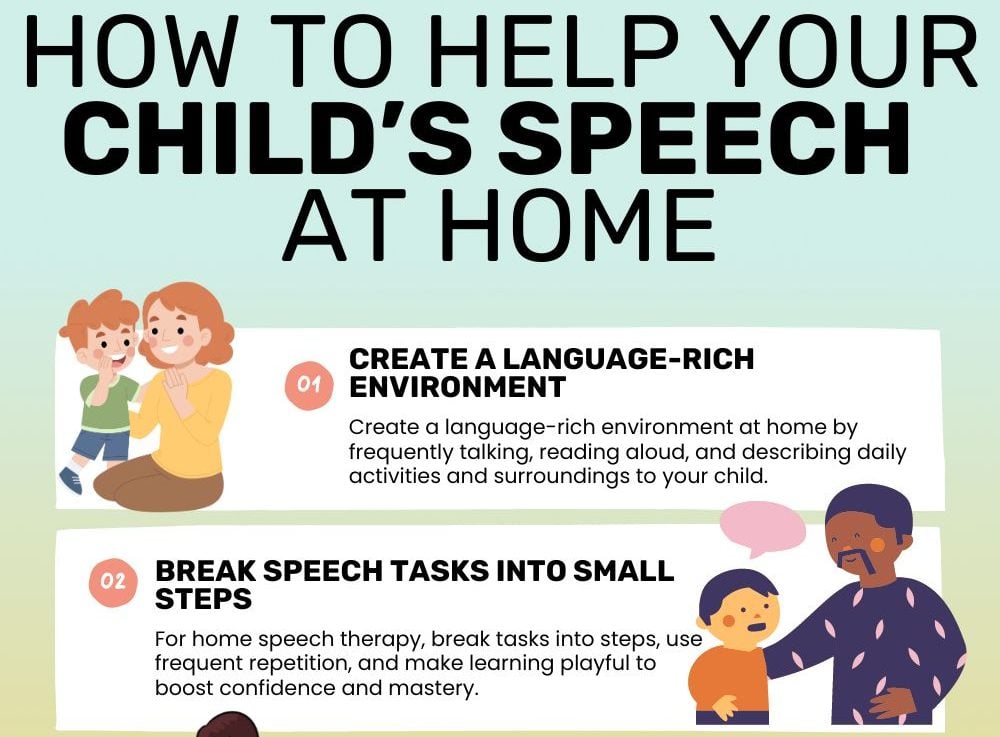
Parents play a huge role in helping kids with speech disabilities develop stronger communication skills. Small changes at home can make a big difference. Here’s how to help:

  • Speech therapy: A speech-language pathologist (SLP) works with kids to improve pronunciation, fluency, and communication skills.
  • Daily practice: Simple games like repeating words, singing songs, or using flashcards can make learning fun.
  • Visual aids: Pictures, storyboards, and communication devices can help kids express themselves.
  • Encouragement, not correction: Instead of pointing out mistakes, repeat words correctly so they hear the proper way to say them.
  • Slow and clear speech: Speaking at a steady pace helps kids understand and mimic correct pronunciation.
  • Augmentative and Alternative Communication (AAC): For kids with severe speech difficulties, AAC tools like picture boards or speech-generating devices can help.
  • Social interaction: Playdates, group activities, and interactive books can encourage communication in a natural setting.

Many kids improve significantly with early intervention. Some may need ongoing support, while others develop clear speech with practice and therapy. The key is consistent support and patience.

Symptoms of Speech Disability

Kids with speech disabilities show different signs depending on the severity. Some struggle with specific sounds, while others find it hard to put thoughts into words. Common signs include:

Symptom What It Looks Like
Unclear speech Words are slurred, jumbled, or hard to understand.
Struggles with certain sounds Says “fink” instead of “think” or “wabbit” instead of “rabbit.”
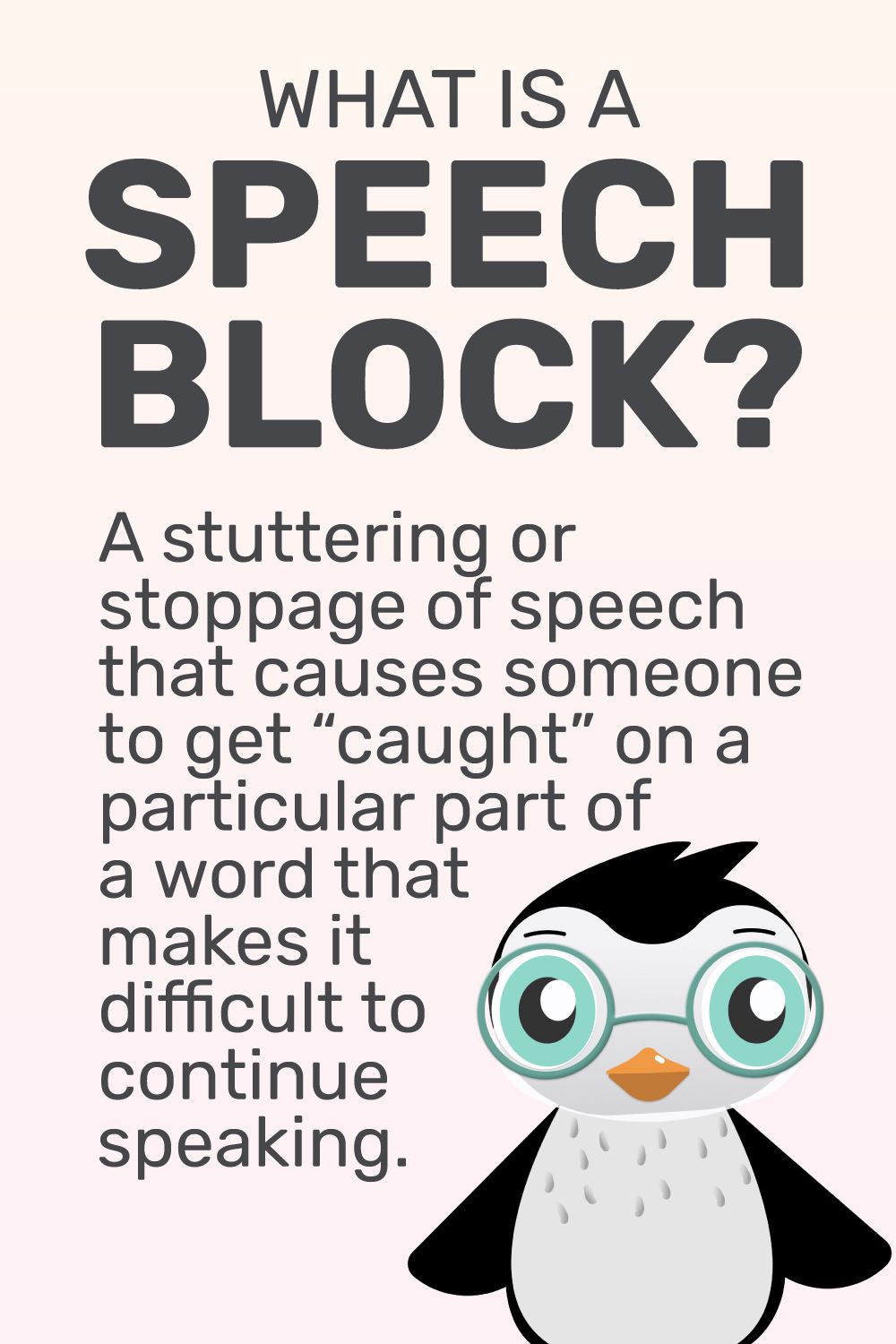
Stuttering Repeats sounds or gets stuck on words.
Weak or hoarse voice Speech is too quiet, raspy, or strained.
Avoids talking Refuses to speak or gets frustrated when trying to communicate.

Early intervention is key. Speech therapy, daily practice, and a supportive environment help kids gain confidence in their communication skills.


This post was originally published on June 26, 2024. It was updated on Feb. 5, 2025.