Trusted by 100,000+ Families

What Is PECS (Picture Exchange Communication System)?

Home>>Neurodiversopedia>>P Terms

Summary

summary

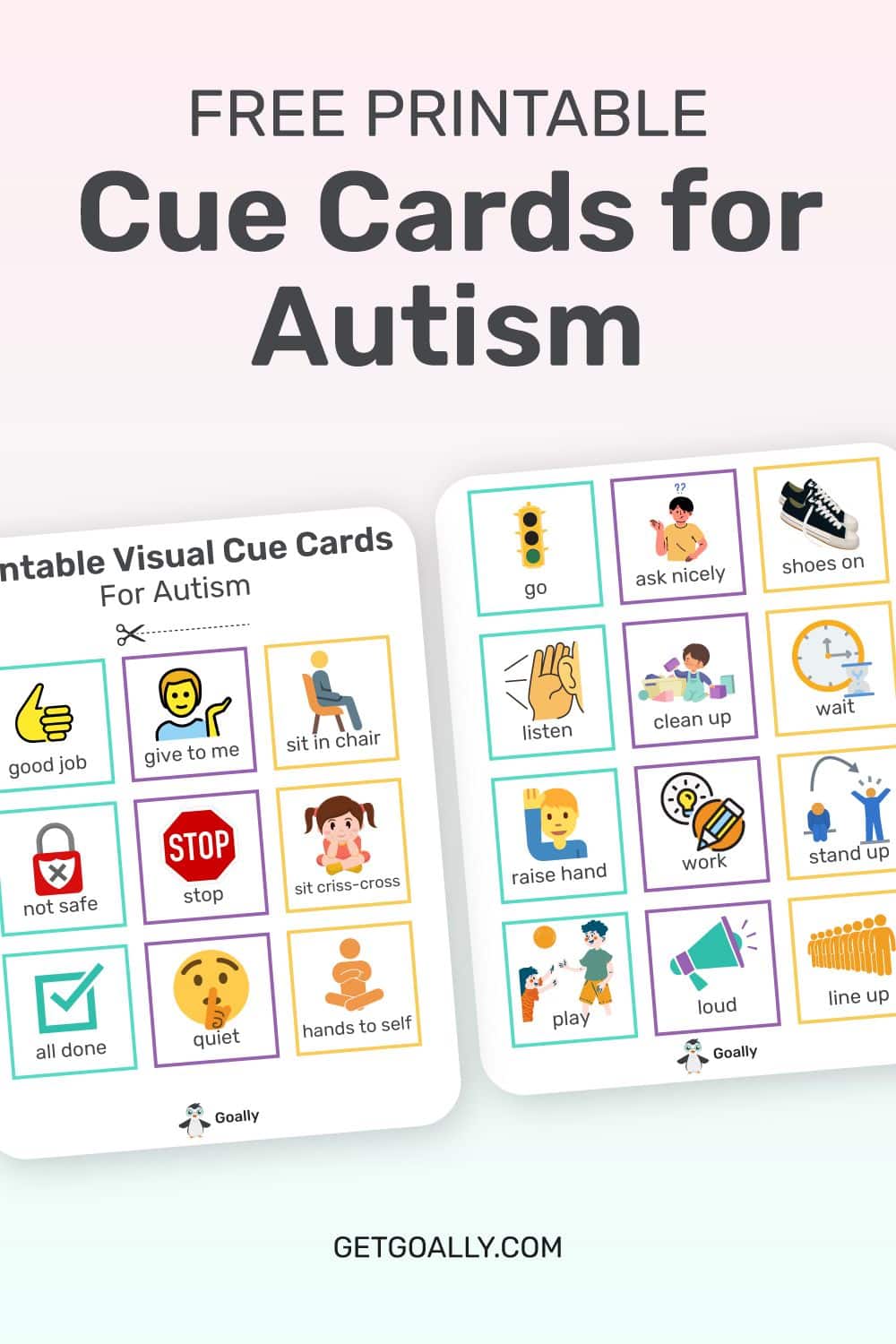
PECS, or Picture Exchange Communication System, is a tool that helps children who have difficulty speaking—such as those with autism—communicate using pictures. Instead of using words, they can hand someone a picture of what they need or want. This simple, structured method gives kids a way to express themselves clearly and builds the foundation for future communication skills.

Frequently Asked Question

donut

Who can benefit from PECS?

PECS can be beneficial for individuals with a variety of communication difficulties, such as autism, Down syndrome, or other speech and language disorders. It’s a helpful tool for people who struggle to communicate verbally.

How is PECS taught?

PECS is typically taught by a therapist, teacher, or parent. It involves teaching the individual a set of vocabulary pictures and modeling how to use them to communicate. Reinforcement and practice are key components of the learning process.

How long does it take to learn PECS?

The length of time it takes to learn PECS varies from person to person. With consistent teaching and practice, most individuals can learn to use PECS within a few weeks or months.

Scientific Definition

scientist

The Picture Exchange Communication System (PECS) is an augmentative and alternative communication (AAC) method designed to help children who have limited or no spoken language. Using picture symbols on cards or sentence strips, PECS teaches kids how to communicate their needs and interact with others. Originally developed by Pyramid Educational Consultants, PECS is widely used with children who have autism spectrum disorder and other developmental disabilities. Studies show that PECS can greatly improve both communication skills and social interaction, making it a powerful tool for building independence.


Video Explanation

video-explanation

Real World Example of PECS

Meet Ryan, a 5-year-old boy with autism. Ryan has a hard time speaking, so his parents introduce PECS to help him communicate. Here’s how it unfolds:

  • Step 1: Ryan learns to pick up a picture of a snack he wants, like crackers.
  • Step 2: He hands the picture to his mom, who gives him the crackers right away.
  • Step 3: Over time, Ryan adds more pictures to his board, like toys, drinks, and activities.
  • Step 4: Ryan starts forming short sentences, like “I want crackers,” using multiple pictures.

By using PECS, Ryan gains independence and a way to share his thoughts with his family.

How Does PECS Work?

PECS helps kids communicate when words are tough. It works by teaching them to exchange pictures for what they need or want. Here are some ways it’s used:

  • At home: Kids hand pictures of toys or snacks to their parents.
  • In school: Teachers use PECS to help kids request breaks or supplies.
  • During therapy: Therapists incorporate PECS to build language skills.
  • In the community: Kids use pictures to order food or ask for help.
Scenario Example
Requesting a snack A child gives a picture of an apple to their parent.
Asking for a toy A child exchanges a picture of a ball for playtime.
Requesting a break A child hands over a “break” picture to their teacher.

PECS isn’t just a tool; it’s a way for kids to connect with the world around them. By using pictures to express their needs, kids gain confidence and independence.


This post was originally published on Feb. 13, 2023. It was updated on Jan. 2, 2025.