Deviant Sexual Behavior refers to behaviors considered outside the typical range of sexual preferences or behaviors. These behaviors may be uncommon or unusual compared to societal norms.



Deviant Sexual Behavior refers to behaviors considered outside the typical range of sexual preferences or behaviors. These behaviors may be uncommon or unusual compared to societal norms.


What causes deviant sexual behavior?
Deviant sexual behavior can have various underlying causes, including past trauma, distorted beliefs, learned behaviors, or psychological factors. It is essential to seek professional guidance to explore individual circumstances and develop appropriate interventions.
Is deviant sexual behavior illegal?
Deviant sexual behavior itself is not necessarily illegal, as it depends on the specific actions and circumstances involved. However, certain behaviors may be considered illegal if they involve non-consenting individuals, minors, or violate laws related to public decency or privacy. It is important to be aware of and respect legal boundaries when it comes to sexual behavior.
Is deviant sexual behavior a mental disorder?
Deviant sexual behavior itself is not classified as a mental disorder. However, some specific paraphilic disorders, characterized by intense and persistent atypical sexual interests, are recognized in the Diagnostic and Statistical Manual of Mental Disorders (DSM-5). It is important to consult with mental health professionals for accurate diagnosis and appropriate treatment.
Can deviant sexual behavior be influenced by media or pornography?
Exposure to explicit media or pornography does not directly cause deviant sexual behavior. However, it can potentially impact attitudes, beliefs, and behaviors. It is important to promote media literacy, critical thinking, and healthy discussions about sexuality to help individuals navigate the influence of media in a responsible manner.


Deviant Sexual Behavior, or atypical or paraphilic behavior, encompasses various sexual preferences or activities that deviate from societal norms. It includes fetishism, exhibitionism, voyeurism, and sadomasochism, among others. These behaviors may involve non-consenting individuals, cause harm or distress, or involve atypical objects, situations, or body parts. Not all atypical sexual behaviors are inherently harmful or illegal, as consent and respect for boundaries play a crucial role in defining healthy sexual expression.

Recognizing the symptoms of deviant sexual behavior can help understand and address this condition. While it is important to approach this topic sensitively, being aware of potential signs can contribute to seeking appropriate support and guidance.
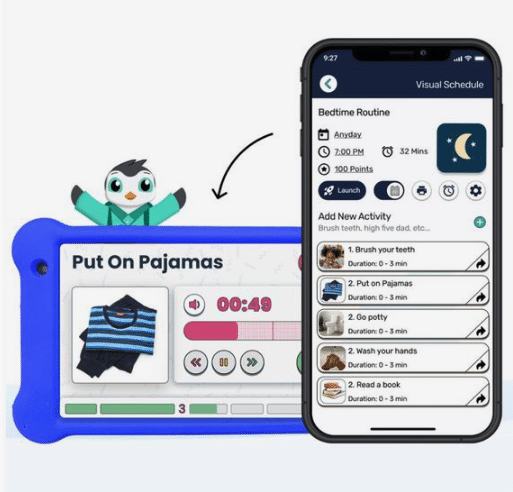
Identifying the symptoms of deviant sexual behavior can serve as a starting point for seeking professional help and support. Goally, a tablet tool, supports children with deviant sexual behavior through apps for life skills, language, emotional regulation, and social skills. It fosters healthy behaviors, positive relationships, and boundary awareness. The gamified learning and visual scheduling apps promote structure and routine, benefiting those with challenging behaviors.
Editor’s note: This information is not meant to diagnose or treat and should not take the place of personal consultation, as needed, with a qualified healthcare provider and/or BCBA.