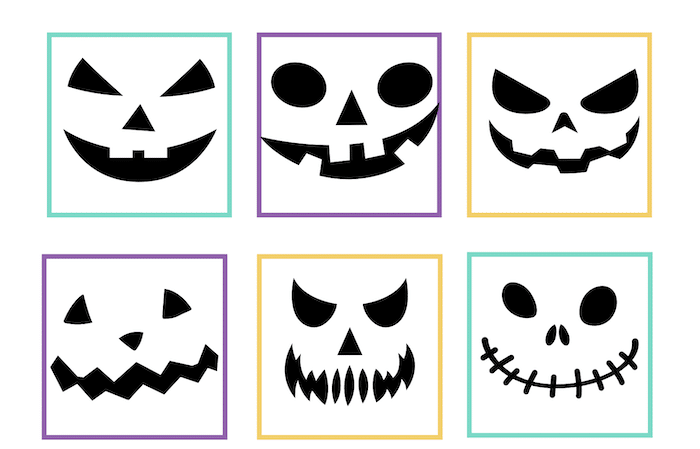
Facial cues are the small changes in someone’s face that show how they’re feeling. These can include smiles, frowns, or raised eyebrows. Kids use these cues to understand emotions and communicate with others.



Facial cues are the small changes in someone’s face that show how they’re feeling. These can include smiles, frowns, or raised eyebrows. Kids use these cues to understand emotions and communicate with others.


What are facial cues?
Facial cues are the small changes in a person’s facial expressions that show their emotions, like smiling or frowning. They are essential for non-verbal communication.
Why are facial cues important for kids?
Facial cues help kids understand others’ feelings and intentions, making social interactions smoother. They aid in developing emotional intelligence.
How can parents teach their kids to recognize facial cues?
Parents can teach kids by practicing different facial expressions and discussing the emotions behind them. Using pictures and role-playing can also help.
What challenges do kids with special needs face with facial cues?
Kids with special needs might find it hard to interpret facial cues, leading to misunderstandings in social situations. They may need more explicit teaching and practice.


Facial cues, also known as facial expressions, are nonverbal signals conveyed through movements of facial muscles that indicate emotional states, intentions, or reactions. These visual indicators play a crucial role in social communication, providing context and nuance to verbal interactions. Research suggests that humans can recognize and interpret over 20 distinct facial expressions, highlighting the complexity and importance of this form of nonverbal communication in social development and interaction. Learn more about autistic features in kids.

Facial cues are a key part of nonverbal communication. They help people express and understand emotions without words. Here’s how they’re commonly used:
| Facial Cue | Possible Meaning |
|---|---|
| Raised eyebrows | Surprise or interest |
| Squinted eyes | Confusion or suspicion |
| Pursed lips | Disapproval or concentration |
| Nose wrinkling | Disgust or discomfort |
For kids with special needs, learning to read and use facial cues can be challenging but rewarding. It helps them connect with others and navigate social situations more easily.