Trusted by 100,000+ Families

What is Language Facilitation Techniques, Commenting?

Home>>Neurodiversopedia>>L Terms

Summary

summary

When we talk about language facilitation and commenting, we’re talking about a fun way to help kids learn to talk and communicate. It’s like giving a running commentary about what the child is doing or what’s happening around them. So instead of asking your child many questions, you talk about what you see. This helps kids learn new words and how to use them, especially for kids who need extra help.

Frequently Asked Question

donut

Why is commenting more beneficial than asking questions in language facilitation?

Commenting avoids putting a child on the spot, reducing pressure. It encourages children to absorb language naturally, and fosters a comfortable atmosphere for them to replicate language use.

Can commenting help children with special needs?

Absolutely! Commenting can significantly assist children with special needs by providing them with a low-pressure, immersive language learning environment that promotes their communication skills.

Is there a specific age to start using commenting as a language facilitation technique?

No, there’s no specific age. It’s beneficial to start as early as possible, even with babies, as language acquisition begins from the moment they start listening.

Scientific Definition

scientist

Language facilitation techniques, mainly commenting, is a scientifically recognized method used to enhance language learning and communication skills. It is the deliberate act of providing verbal feedback, or comments, about a child’s surroundings or actions instead of asking direct questions. The goal is to encourage the child to listen, absorb, and eventually use the language in their own expression. The technique is crucial, especially for kids with special needs, as it helps build their linguistic competence and confidence in a non-intrusive way. In essence, language facilitation via commenting is the act of sparking conversations that stimulate language learning and usage.

Real World Example of Language Facilitation Techniques, Commenting

Susie, a 5-year-old with a speech delay, is making progress with language development through language facilitation techniques. Here’s what a typical day with Susie looks like:

  1. Breakfast: Instead of asking, “Do you want cereal?” her mom shares, “Look, Susie, I’m pouring your favorite cereal into the bowl.” Susie observes and absorbs the words.
  2. Park: Instead of questioning, “Are you climbing the ladder?” her dad comments, “Susie, you’re climbing so high on that ladder!” He narrates her actions, helping Susie learn how to describe her activities.
  3. Playtime: Instead of asking, “Is that a red block?” her older brother remarks, “Susie, you have a big red block in your hand!” He comments on his observations, enabling Susie to identify objects.

With these language facilitation techniques, Susie’s vocabulary expands, and she starts forming sentences. It’s not just about improving communication skills but also empowering Susie to share her world with others. Each day brings small yet significant progress for Susie and her family.

How Does Language Facilitation Techniques, Commenting Work?

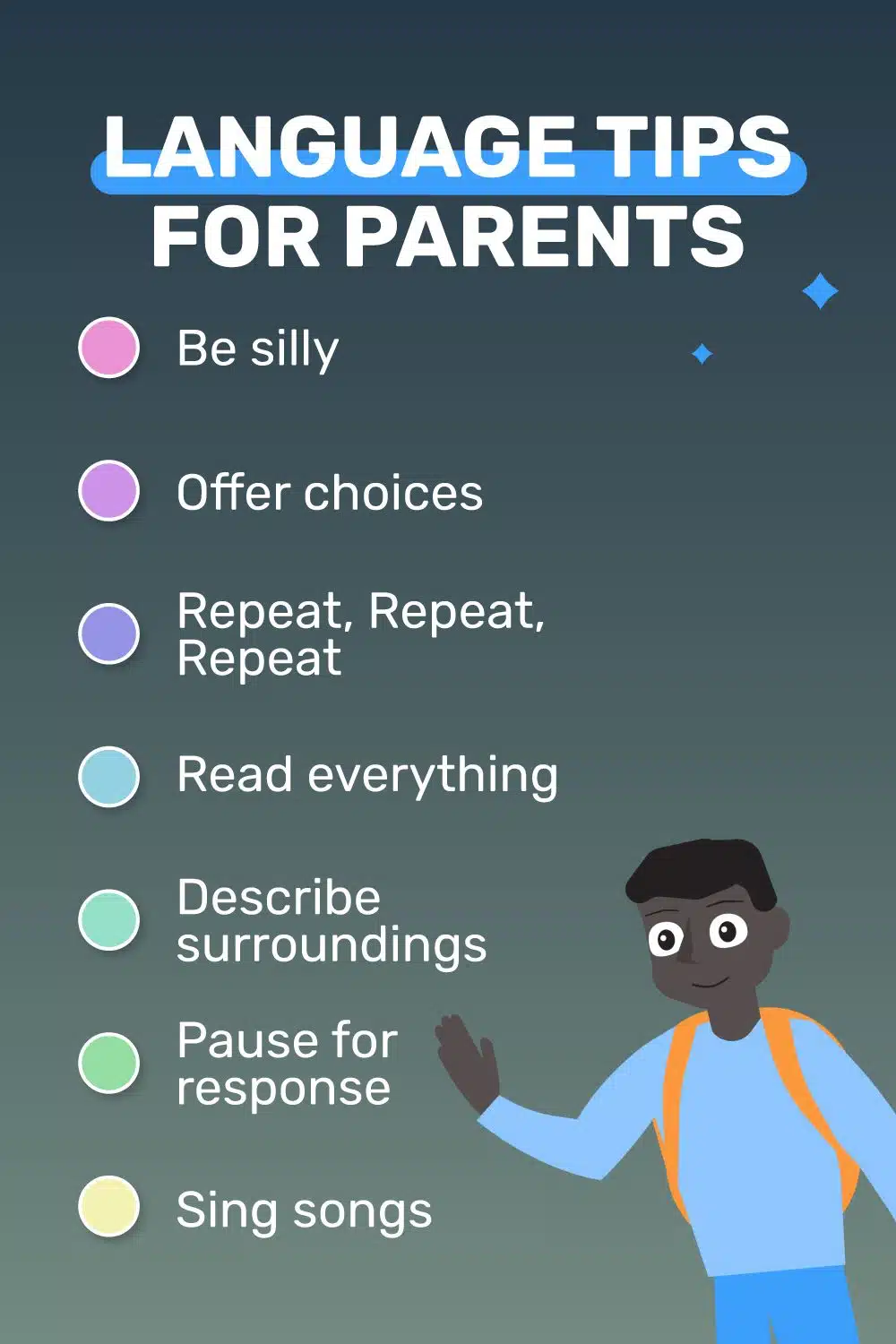
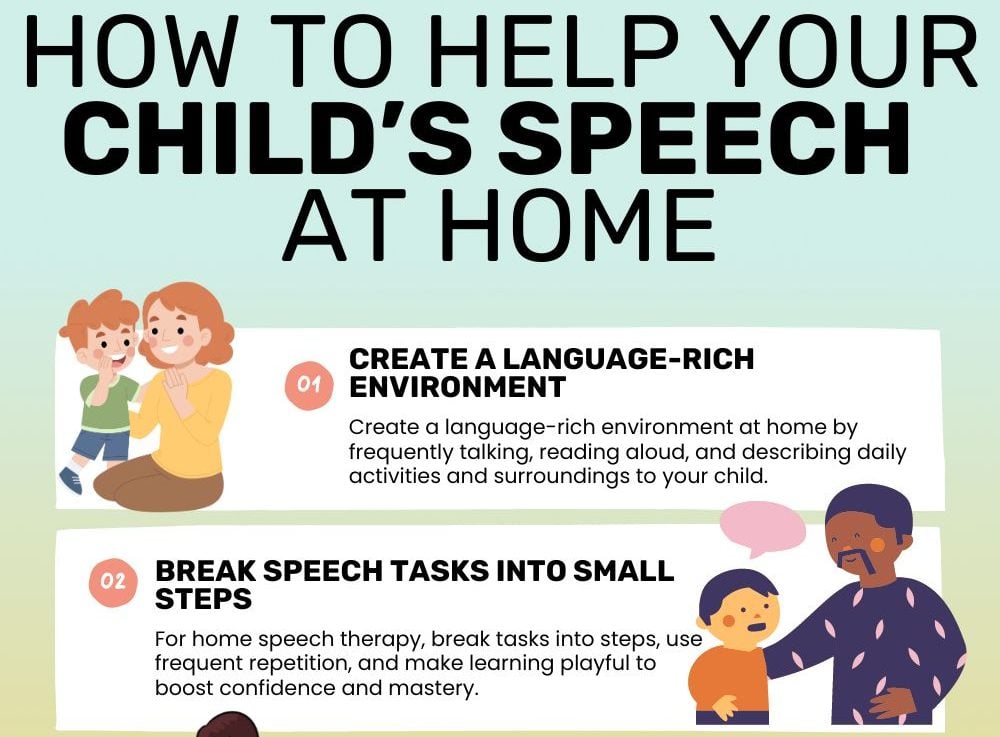
Language facilitation through commenting is a powerful method to promote your child’s linguistic development. Instead of just asking questions, immerse your child in a language-rich environment by becoming a sportscaster. Here’s how it works:

  1. Provide live commentary: Describe your child’s activities or the environment around them.
  2. Use descriptive comments: Instead of simple questions, make statements that highlight specific details. For example, say, “Look at the blue car racing down the road,” instead of asking about the car’s color.
  3. Comment on your own actions: Narrate what you’re doing to involve your child. For instance, say, “I’m slicing the apple for our snack.”

By adopting this approach, you expose your child to diverse sentence structures, new vocabulary, and different ways to express thoughts. Products like Goally, with its suite of fun educational apps, can further enrich this journey. Its gamified learning and AAC tools create a stimulating environment, making language development enjoyable and rewarding for special needs kids.


This post was originally published on May 22, 2023. It was updated on July 8, 2023.