Hyperfocus is when someone concentrates really hard on something they find interesting, like a book or a new skill. They might get so focused that they don’t notice what’s happening around them for a while.



Hyperfocus is when someone concentrates really hard on something they find interesting, like a book or a new skill. They might get so focused that they don’t notice what’s happening around them for a while.


What are the effects of hyperfocus?
The impacts of hyperfocus can be positive, such as increased productivity and creativity. Still, they can also be harmful, such as neglecting other important tasks or activities and leading to stress and burnout.
How can hyperfocus be managed?
Hyperfocus can be controlled by identifying triggers, setting goals and time management strategies, balancing focus with other essential activities, and monitoring progress. Finding a healthy balance between focused work and taking breaks is necessary to avoid burnout.
Can hyperfocus be treated or managed?
Yes, hyperfocus can be treated or managed through medication, therapy, lifestyle changes, and time management techniques. It’s essential to work with a doctor or therapist to find the right approach that works best for you. Developing healthy habits and learning stress management techniques can also help manage hyperfocus.


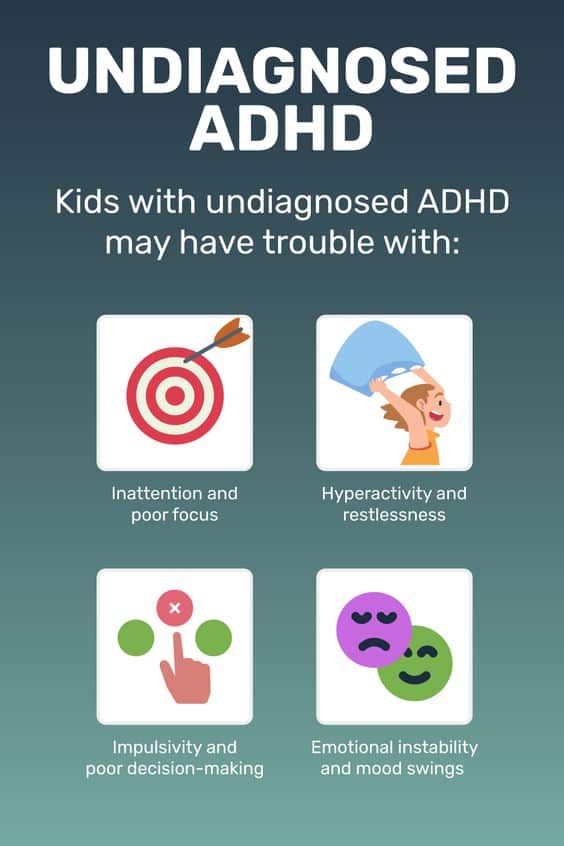
Hyperfocus is a state of highly focused attention that lasts for an extended period of time, often to the exclusion of everything else. It is frequently associated with autism spectrum disorder (ASD) and attention deficit hyperactivity disorder (ADHD). Individuals experiencing hyperfocus may become so engrossed in a task or activity that they are unaware of their surroundings and the passage of time. While hyperfocus can enable remarkable productivity and learning, it can also lead to challenges with transitioning between tasks and managing time.

Hyperfocus can be linked to various conditions, impacting how individuals concentrate and engage with their surroundings. Here are some conditions often associated with hyperfocus:
| Autism Spectrum Disorder (ASD) | Intense focus on specific interests is a core trait. |
| Attention Deficit Hyperactivity Disorder (ADHD) | Hyperfocus is common, especially with engaging tasks. |
| Obsessive-Compulsive Disorder (OCD) | Compulsive behaviors can lead to hyperfocus. |
| Schizophrenia | Intense preoccupation with thoughts or ideas can occur. |
Understanding the conditions associated with hyperfocus can help individuals recognize its presence in their lives or their loved ones’ lives.
This post was originally published on Feb. 11, 2023. It was updated on May 30, 2024.