Somnolence means feeling very sleepy or drowsy during the day. It’s more than just being a little tired – it’s a strong urge to sleep that can make it hard to stay awake and alert.



Somnolence means feeling very sleepy or drowsy during the day. It’s more than just being a little tired – it’s a strong urge to sleep that can make it hard to stay awake and alert.


What is somnolence in children?
Somnolence in children refers to extended periods of sleep or feeling excessively sleepy during the day.
Is somnolence a symptom of ADHD, Autism, Down Syndrome or Epilepsy in kids?
Yes, somnolence can be a symptom observed in children with ADHD, Autism, Down Syndrome, or Epilepsy.
How can parents manage somnolence in kids?
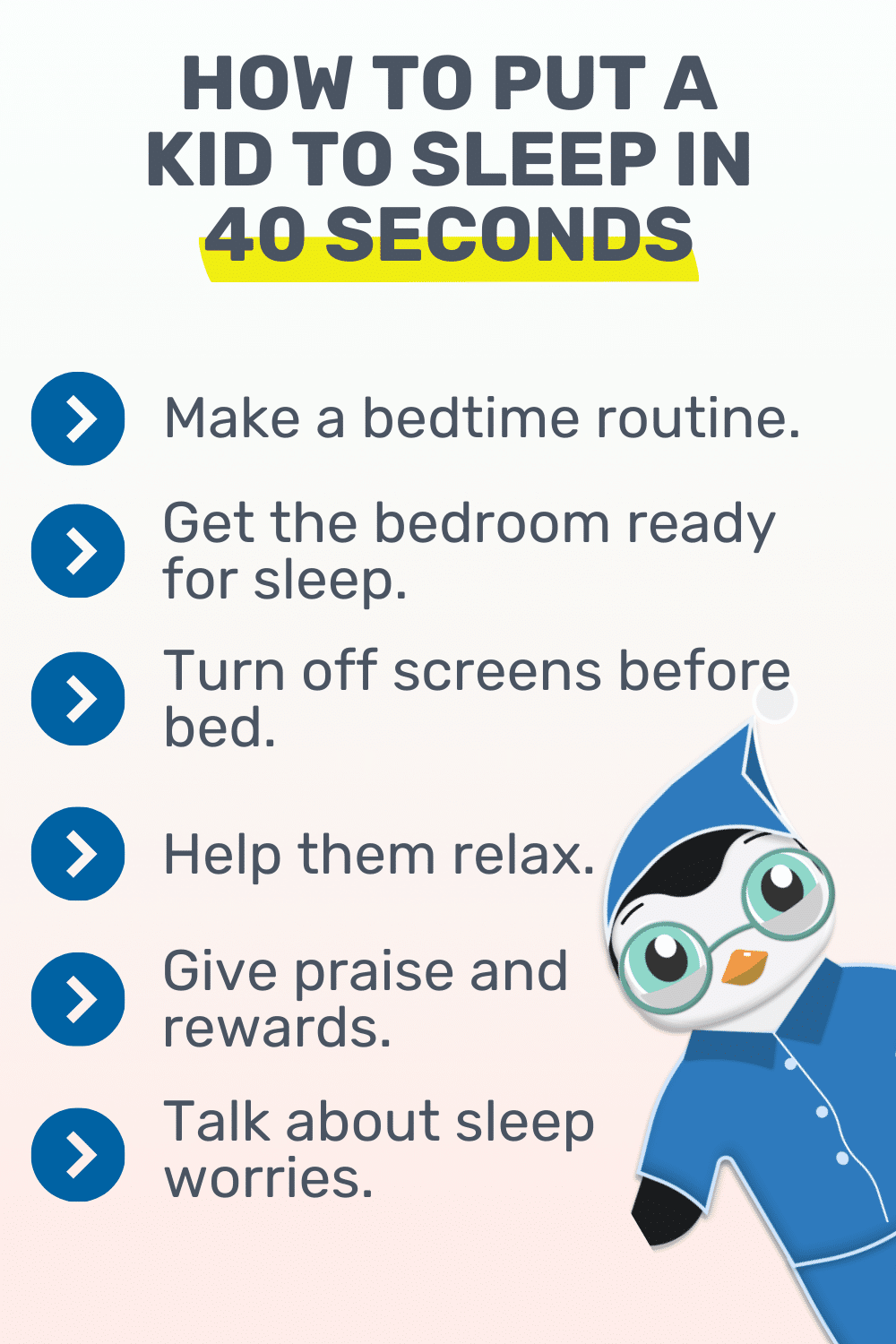
Parents can manage somnolence through regular sleep routines, healthy diet, and managing screen time.
How common is somnolence in kids with special needs?
Somnolence is relatively common in kids with special needs and often varies by condition.


Somnolence, also known as hypersomnia, is a medical condition characterized by excessive daytime sleepiness or prolonged nighttime sleep. Individuals with somnolence may have difficulty staying awake during the day, even in situations that require alertness and participation. This excessive sleepiness can significantly impact daily functioning, learning, and quality of life.

Somnolence can be a symptom of various underlying conditions, particularly in kids with special needs. Some of these conditions include:
| Condition | Potential Impact on Sleep |
|---|---|
| Autism Spectrum Disorder | Difficulty falling asleep, frequent night awakenings |
| ADHD | Trouble settling down at night, restless sleep |
| Obesity | Increased risk of sleep apnea and daytime fatigue |
Recognizing and addressing these underlying conditions can be crucial in managing somnolence effectively.
This post was originally published on Dec. 5, 2023. It was updated on June 14, 2024.