Imagine a sunny afternoon at the park. Kids are running around, laughing, and playing. You watch your child, full of energy, dart from one activity to another, seemingly unable to focus on one thing for more than a few minutes. It’s not just a one-off; you’ve noticed this pattern at home, school, and everywhere. You start to wonder, How do I know if my child has ADHD? This question isn’t uncommon, and as a professional who works with kids, I understand your concerns. This blog post aims to provide a comprehensive guide on identifying ADHD symptoms in your child. We’ll explore the signs, the differences in behavior, and the steps you can take if you suspect your child might have ADHD. Remember, symptoms can range from mild to severe and may continue into adulthood. In some cases, they’re noticeable as early as 3 years of age. Let’s navigate this journey together, one step at a time.
Table of Contents
Recognizing the Signs
Firstly, let’s talk about the signs of ADHD. You might notice that your child has difficulty concentrating or focusing. This is not about all kids’ occasional daydreaming but a consistent struggle to stay on task. For instance, they might need help following instructions or often lose track of their belongings.
Moreover, kids with ADHD often have a short attention span. They might lose interest in activities quickly, even ones they usually enjoy. Their mind is a TV remote, constantly flipping through channels. However, it’s essential to remember that all kids can be fickle — it’s the frequency and intensity of these behaviors that might indicate ADHD.
Understanding Hyperactivity and Impulsivity
Hyperactivity is another common symptom of ADHD. You might see this as your child unable to sit still, fidget, or talk excessively. On the other hand, some kids might show signs of impulsivity, such as difficulty waiting their turn or acting without thinking about the consequences.

Read More: Parents Guide to ADHD
Again, it’s important to note that these behaviors are common in many kids. What sets kids with ADHD apart is the persistence of these behaviors and their impact on the child’s life — at school, at home, and in social situations.
Seeking Professional Help
If you notice these signs in your child, it might be time to seek professional help. A healthcare provider can evaluate your child and make a diagnosis. This typically involves a comprehensive evaluation, including a medical exam, interviews, and behavior rating scales.
Most importantly, remember you’re not alone. Many resources can provide support and guidance, from healthcare providers to support groups for parents of kids with ADHD.
Supporting Your Child
Finally, if your child is diagnosed with ADHD, there are many ways you can support them. For example, behavior therapy can help kids learn new behaviors to replace those causing problems. Similarly, medication can be an effective treatment for some kids with ADHD.
Above all, remember that every child is unique. What works for one child might not work for another. It’s about finding the right strategies for your child and your family.
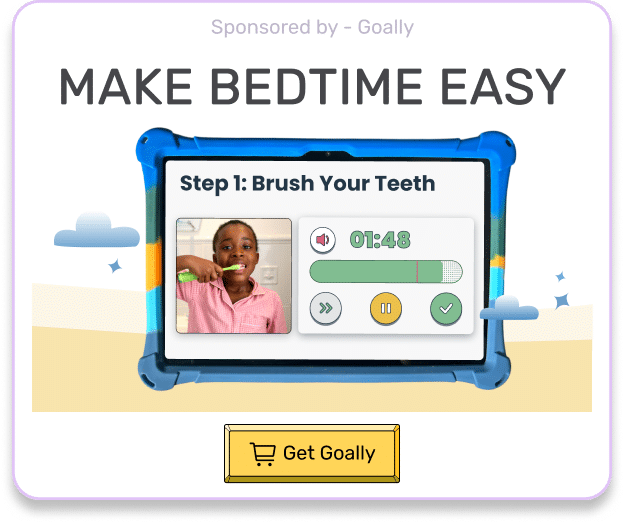
Try Goally For Your Child With ADHD
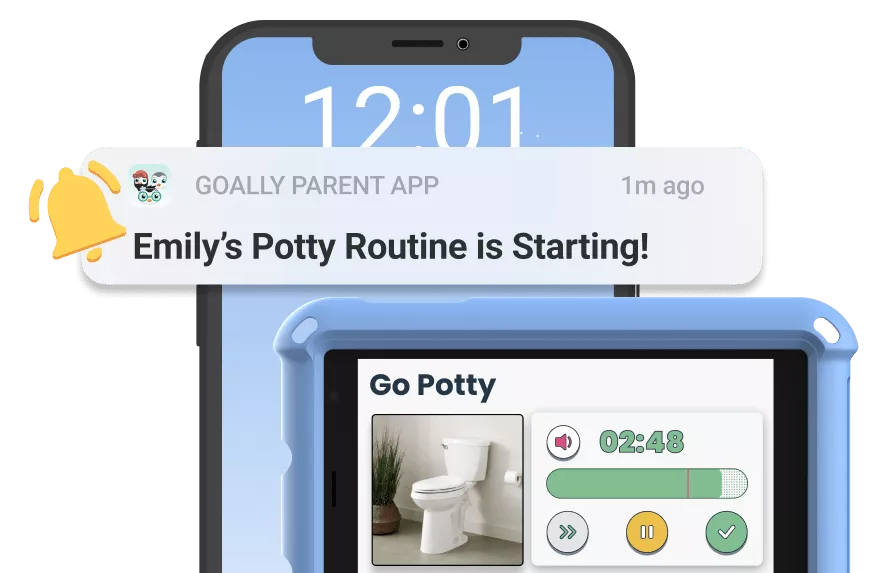
Goally is an excellent option for many families that have a child with ADHD. Use game play as a points-based motivator for your kiddo with ADHD, help them learn emotional regulation skills, and watch them grow! It’s simple to set up and has an expert-informed design.
Putting It All Together
So, you’ve been wondering, “How do I know if my child has ADHD?” We’ve explored the signs, from difficulty focusing to hyperactivity and impulsivity. If these behaviors persist and impact your child’s life, it’s time to seek professional help. Remember, a diagnosis of ADHD is not a label but a tool to understand your child better and support them effectively. You’re not alone on this journey, and with the right strategies, you can help your child navigate the world in a unique way.
This post was originally published on 04/26/2023. It was updated on 01/25/2024.

Goally
We help parents teach their kids life skills, like doing bedtime and morning independently. Backed by science, we incorporate evidence-based practices and expert-informed designs in all of our apps and content.