Empathy is a complex and multifaceted skill, and for parents of neurodivergent kids, understanding the nuances of cognitive empathy vs. emotional empathy can be crucial. In this post, we’ll explore the differences between these two types of empathy, how they manifest in kids with autism, and strategies to support your child’s empathetic development. We’ll also discuss the benefits of fostering empathy in your child’s life, from improved social skills to enhanced emotional well-being, and how Goally can be a helpful tool in this journey.
Table of Contents
What are Cognitive Empathy and Emotional Empathy?
Firstly, let’s define the two types of empathy.
- Cognitive empathy refers to the ability to understand and recognize another person’s emotions and perspective. In other words, it’s about putting yourself in someone else’s shoes and grasping their feelings and thoughts.
- On the other hand, emotional empathy is the capacity to share and feel another person’s emotions, creating an emotional connection and response to their feelings.

For kids with autism, cognitive empathy and emotional empathy can present differently than in neurotypical children. While some autistic children may struggle with cognitive empathy, they may excel in emotional empathy. For example, they might have difficulty understanding social cues or recognizing emotions in others, but they can be deeply affected by the emotions of those around them. Conversely, some kids with autism may have a strong grasp of cognitive empathy but struggle to feel or express emotional empathy. This can lead to challenges in forming and maintaining social relationships.
Strategies to Support Empathetic Development
Now that we’ve established the differences between cognitive empathy vs. emotional empathy let’s explore some strategies to support your child’s empathetic development.
1. Teach emotion recognition
Help your child recognize and understand emotions by discussing feelings and emotions in everyday situations. Use visual aids, such as emotion flashcards or facial expression charts, to practice identifying emotions in others. Encourage your kid to express their own emotions and validate their feelings.
- Use emotion flashcards to practice identifying emotions
- Discuss feelings and emotions in everyday situations
- Encourage your child to express their own emotions
2. Practice perspective-taking
Encourage your child to consider other people’s perspectives and feelings. You can do this through role-playing, discussing hypothetical scenarios, or reading books that focus on emotions and relationships. Ask your child questions that prompt them to think about how others might feel in different situations.
Goally can be a helpful tool in practicing perspective-taking, as it offers a structured way for your child to engage in activities that promote empathy and understanding. By incorporating Goally into your child’s daily routine, you can support their empathetic development in a fun and interactive way.
3. Model empathetic behavior
As a parent, you play a crucial role in modeling empathy for your child. Demonstrate empathy in your interactions with others and discuss your thought process with your child. For instance, explain how you considered someone else’s feelings before making a decision or responding to a situation.

Read more: What is Double Empathy?
Modeling empathetic behavior also includes being mindful of your own emotions and reactions. By managing your emotions effectively, you can set a positive example for your child and teach them the importance of emotional regulation.
4. Foster emotional expression
Encourage your child to express their emotions and feelings openly. Provide a safe and supportive environment for your kid to share their feelings and validate their emotions. This can help them develop emotional empathy and improve their ability to connect with others on an emotional level.
Creating opportunities for your child to express their emotions can include engaging in creative activities, such as drawing or writing, or participating in group activities that promote emotional expression and connection.
The Benefits of Fostering Empathy in Your Child’s Life
Above all, nurturing empathy in your child’s life can lead to numerous benefits, both for them and those around them. Here are some key advantages:
| Benefit | Description |
|---|---|
| Improved social skills | Developing empathy can help your child better understand and navigate social situations, leading to stronger relationships and friendships. |
| Enhanced emotional well-being | Empathy allows your child to process and express their emotions more effectively, contributing to better emotional health. |
| Increased resilience | Empathetic children are often better equipped to handle challenges and setbacks, as they can understand and manage their emotions more effectively. |
| Greater sense of belonging | Fostering empathy can help your child feel more connected to others, promoting a sense of belonging and acceptance. |
Tired of Emotional Meltdowns?
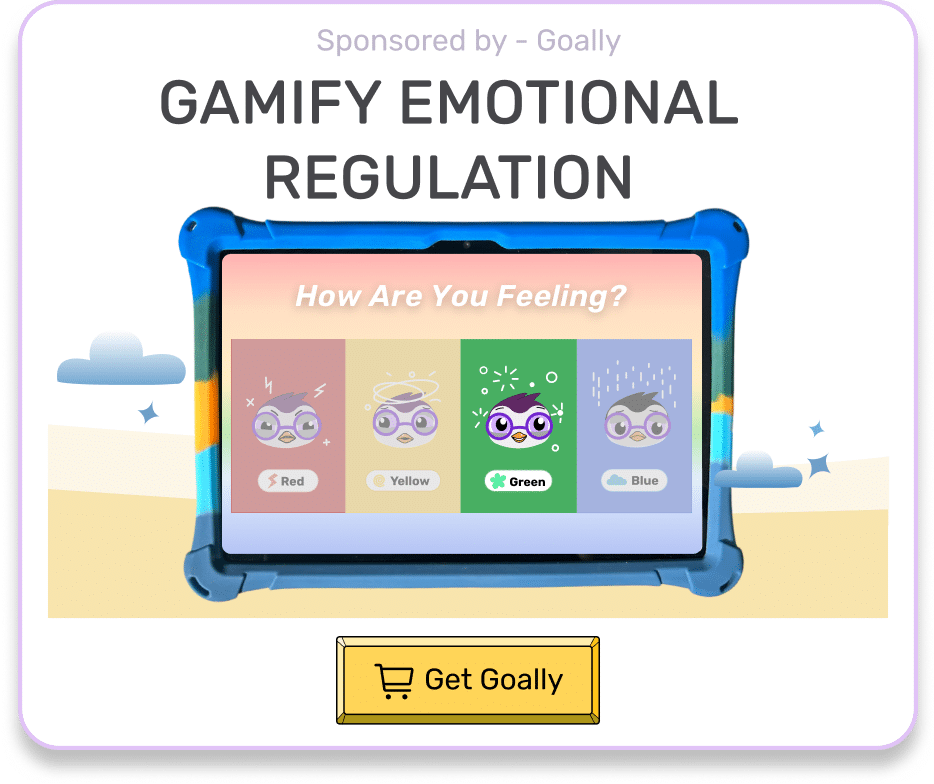
Goally’s Mood Tuner app has activities for kids with BIG emotions. Teach kids how to tune their mood with Goally. See fewer meltdowns.
The Mood Tuner app encourages kids to look inwards and identify their feelings, helping them understand what’s going on inside. Once they’ve recognized their emotions, they can choose from a 20+ activities designed to help them self-regulate and find their balance.
Understanding the nuances of cognitive empathy vs. emotional empathy in kids with autism is essential for parents seeking to support their child’s emotional and social development. By implementing strategies to nurture empathy and recognizing the unique ways it manifests in your child, you can help them unlock their full potential and lead a more fulfilling life. Remember, empathy is a skill that can be cultivated and strengthened over time, and your support and guidance, along with tools like Goally, can make all the difference in your child’s journey.
This post was originally published on 05/18/2023. It was updated on 07/11/2023.

Goally
We help parents teach their kids life skills, like doing bedtime and morning independently. Backed by science, we incorporate evidence-based practices and expert-informed designs in all of our apps and content.