As a professional working with children, I’ve seen firsthand how challenging it can be for kids to gracefully exit conversations. Whether it’s at school, playdates, or family gatherings, knowing how to end a conversation is a crucial social skill that many children struggle with. But don’t worry – I’m here to guide you through teaching your kids this important ability. Ending a conversation involves recognizing social cues, using polite language, and understanding timing – all skills that can be developed with practice. In this article, I’ll share effective strategies to help your children master the art of conversation closure, ensuring they can navigate social situations with confidence and courtesy.
Table of Contents
1. Explain the Importance of Ending Conversations Well
Before diving into techniques, it’s crucial to help kids understand why ending conversations properly matters. I often start by asking children to recall times when someone abruptly left a conversation with them. How did it make them feel? Usually, they’ll say it felt rude or confusing.
This personal reflection helps kids grasp the impact of their actions on others. I explain that ending conversations well shows respect, maintains friendships, and helps avoid misunderstandings. It’s a skill that will serve them well throughout their lives, from playground chats to future job interviews.
2. Teach Recognition of Conversation-Ending Cues
One of the most important aspects of ending a conversation is recognizing when it’s time to wrap things up. I teach kids to look for both verbal and non-verbal cues. Verbal cues might include phrases like “Well, I should get going” or “It was nice talking to you.” Non-verbal cues could be checking the time, looking around the room, or stepping back slightly.
To practice this skill, I often use role-play scenarios. We act out conversations and I demonstrate these cues, asking the child to identify when they think the conversation is coming to a natural end. This hands-on approach helps them internalize these subtle social signals.
3. Introduce Polite Conversation-Ending Phrases
Once kids can recognize when a conversation is winding down, the next step is equipping them with appropriate phrases to use. I provide a list of go-to expressions that are polite and effective. Here are some examples:
- “It was great talking to you, but I need to go now.”
- “Thanks for chatting! I should get back to [activity].”
- “I enjoyed our conversation. See you later!”
- “I have to leave now, but let’s talk again soon.”
We practice these phrases together, focusing on delivery – tone of voice, eye contact, and body language all play a role in how these phrases are received. I encourage kids to personalize these phrases to sound natural and authentic.

Read more: How to Start a Conversation
4. Practice the Art of Summarizing
A great way to signal the end of a conversation is by briefly summarizing what was discussed. This skill not only helps in conversation closure but also improves active listening and memory. I teach kids to pick out one or two main points from the conversation to mention before they leave.
For example, they might say, “I really enjoyed hearing about your vacation to Florida. The beach sounds amazing!” This shows they were engaged in the conversation and provides a natural segue to wrap things up. We practice this skill by having mock conversations and then challenging the child to summarize the key points.
5. Implement the “Sandwich” Method
To help kids structure their conversation endings, I introduce the “sandwich” method. This three-step approach makes ending conversations feel more natural and less abrupt. Here’s how it works:
| Step | Action | Example |
|---|---|---|
| 1. Appreciation | Express gratitude for the conversation | “It’s been great talking with you about your new puppy.” |
| 2. Reason | Provide a brief reason for leaving | “I need to head home for dinner now.” |
| 3. Future Plans | Suggest future interaction | “Let’s talk more at school tomorrow!” |
This method gives kids a simple framework to follow, making the process of ending conversations less daunting. We practice putting these steps together in various scenarios to help solidify the skill.
6. Encourage Follow-Up Actions
Sometimes, ending a conversation doesn’t mean the interaction is completely over. I teach kids about follow-up actions that can help maintain relationships and show thoughtfulness. This could include sending a text later to say they enjoyed the conversation, or remembering to ask about something the person mentioned next time they meet.
For example, if a friend mentioned an upcoming soccer game, I might suggest the child send a good luck message on the day of the game. These small gestures show that the conversation was meaningful and help build stronger connections.
7. Address Special Situations
While the basic principles of ending conversations apply broadly, there are some special situations that require additional guidance. I make sure to cover these with kids to prepare them for various social scenarios. Here are a few examples:
- Ending conversations online: Teach kids that it’s okay to say they need to log off, and that they shouldn’t just disappear without saying goodbye.
- Interrupting adults: When kids need to interrupt a conversation between adults, teach them to wait for a pause, say “Excuse me,” and briefly state their need.
- Group conversations: Show kids how to address the group as a whole when leaving, or how to quietly exit if the conversation continues without them.
By covering these special cases, we ensure kids are prepared for a wide range of social situations they might encounter.

8. Role-Play and Practice
As with any skill, practice makes perfect. I always emphasize the importance of role-playing different scenarios to help kids internalize these conversation-ending techniques. We set up various situations – a chat with a teacher, a phone call with a grandparent, a playground interaction with a friend – and practice ending each conversation appropriately.
I encourage parents to continue this practice at home. You can make it fun by turning it into a game, perhaps awarding points for smooth conversation endings. The more kids practice, the more natural and confident they’ll become in real-world situations.
9. Provide Gentle Feedback
Learning how to end conversations takes time, and kids will likely make mistakes along the way. I always stress the importance of providing gentle, constructive feedback. When you notice your child ending a conversation abruptly or awkwardly, wait until you’re alone to discuss it. Point out what they did well, and suggest one thing they could improve next time.
For instance, you might say, “I liked how you thanked Grandma for the chat. Next time, you could also mention looking forward to talking again soon.” This positive approach encourages kids to keep practicing and refining their skills.
10. Lead by Example
As with many aspects of child development, modeling the behavior we want to see is crucial. I remind parents and caregivers to be mindful of how they end conversations, both with their children and with others. Kids are always watching and learning from the adults in their lives.
Make a conscious effort to use the techniques we’ve discussed when ending your own conversations. Narrate your thought process out loud sometimes: “I noticed Uncle Jim checked his watch, so I think it’s time to wrap up our chat.” This gives kids insight into the social cues you’re picking up on and how you’re responding to them.
Goally | 100+ Streaming Video Classes
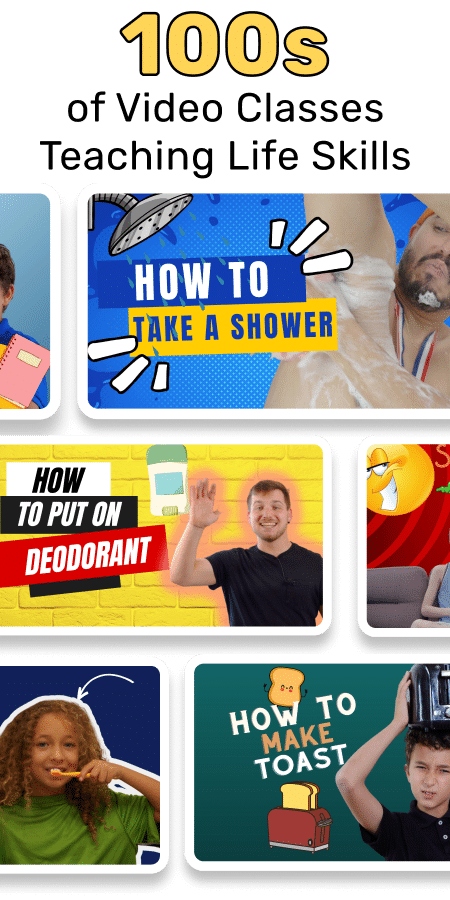
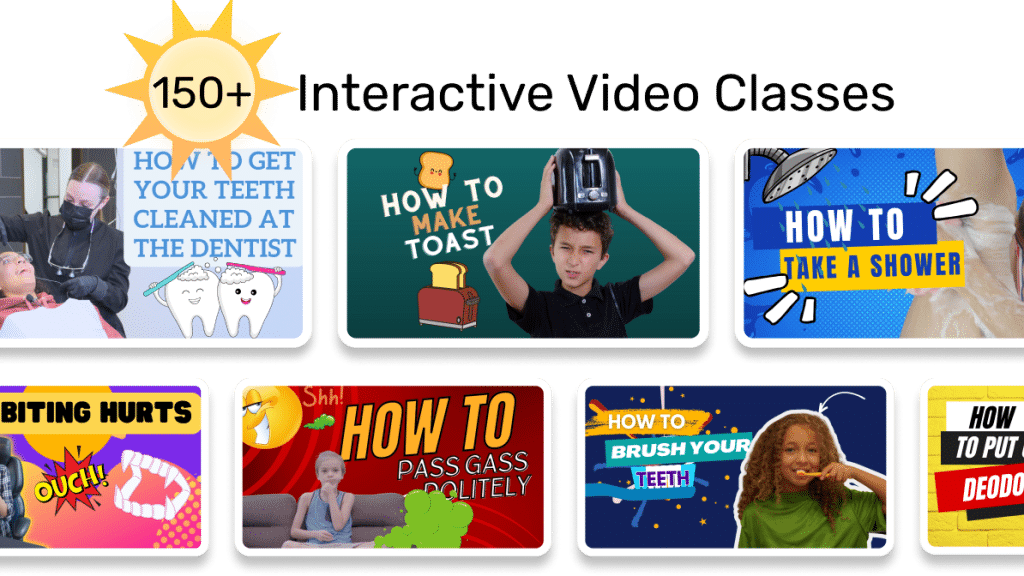
Does your child need some extra guidance on building essential life skills? Goally’s skill building tablet for kids includes a TV app that has the most robust video library of skills training videos for kids. Ranging from content like “How to Brush Your Teeth” to “How to Make Friends at School,” we have dozens of interactive video lessons for kids with thinking and learning differences.
HERE’s a video explaining how to works.
Teaching kids how to end a conversation is an invaluable life skill that will serve them well in countless social situations. By explaining the importance, teaching recognition of social cues, providing useful phrases, and offering plenty of practice opportunities, you’re setting your child up for social success. Remember, it’s a process that takes time and patience. Celebrate the small victories and keep encouraging your child’s efforts. With your support and guidance, they’ll soon be navigating social interactions with confidence and grace.
Helpful Resources
FAQ’s About How to End a Conversation
What is Goally's solution for teaching kids how to end a conversation?
Goally offers a step-by-step video class that breaks down the process of ending a conversation, making it easy for kids to learn and practice this essential social skill.

How does Goally use task analysis in teaching how to end a conversation?
Goally uses task analysis to break down the process of ending a conversation into manageable steps, making it easier for kids to understand and master.

Can Goally help my child learn how to end a conversation independently?
Yes, Goally's video classes are designed to help kids learn and practice skills independently, including how to end a conversation.

Is how to end a conversation a part of Goally's video classes?
Yes, how to end a conversation is one of the many essential social skills taught in Goally's comprehensive video classes.

How effective is Goally in teaching kids how to end a conversation?
Goally's step-by-step approach and interactive video classes make learning how to end a conversation engaging and effective for kids.
This post was originally published on 12/12/2023. It was updated on 08/15/2024.

Emily is a seasoned blog writer for Goally, leveraging her extensive background in child psychology and special education to provide valuable insights and resources for parents. Her commitment to understanding and addressing the unique needs of these children, combined with her expertise in educational strategies, makes her a credible and empathetic voice for families.