I’ve seen my fair share of sunburns on kids’ delicate skin. Sun safety isn’t just about avoiding painful burns – it’s crucial for long-term health too. Did you know that just one blistering sunburn in childhood can double the risk of melanoma later in life? That’s why I’m passionate about helping parents like you keep your kids safe in the sun. In this guide, I’ll walk you through simple, effective steps to protect your children’s skin during outdoor adventures. From choosing the right sunscreen to timing your activities wisely, we’ll cover everything you need to know to make sun safety second nature for your family.
Key Takeaways:
- Apply broad-spectrum SPF 30+ sunscreen generously and frequently
- Dress kids in protective clothing, including hats and sunglasses
- Seek shade during peak sun hours (10 AM – 4 PM)
- Teach kids about sun safety from an early age
- Be extra cautious around water, sand, and snow due to reflective surfaces
Question: How can parents effectively protect their children’s skin from sun damage?
Answer: Parents can protect their children’s skin from sun damage by consistently applying broad-spectrum sunscreen, dressing kids in protective clothing, seeking shade during peak sun hours, teaching sun safety habits, and being extra cautious around reflective surfaces like water and sand.
Read more: How to Get Ready to Go to the Pool
Table of Contents
1. Choose the Right Sunscreen
I can’t stress enough how crucial it is to pick the right sunscreen for your kids. When I’m shopping for sunscreen, I always look for these key features:
- Broad-spectrum protection (guards against both UVA and UVB rays)
- SPF 30 or higher
- Water-resistant formula
- Kid-friendly ingredients (look for mineral-based options with zinc oxide or titanium dioxide)
Remember, the best sunscreen is the one your kids will actually wear. If they complain about a greasy feeling or strong scent, keep trying until you find one they like. I’ve found that spray sunscreens can be great for quick application on squirmy toddlers, but be sure to rub them in thoroughly.
How to Apply Sunscreen Properly
Knowing how to apply sunscreen correctly is just as important as choosing the right product. Here’s my foolproof method:
- Apply sunscreen 15-30 minutes before sun exposure
- Use about 1 ounce (a shot glass full) to cover the entire body
- Don’t forget often-missed spots like ears, back of the neck, and tops of feet
- Reapply every 2 hours, or more often if swimming or sweating
- For babies under 6 months, use sunscreen sparingly and focus on protective clothing and shade
2. Dress for Sun Protection
Sunscreen alone isn’t enough. I always tell parents that proper clothing is your first line of defense against harmful UV rays. Here’s what I recommend:
- Long-sleeved shirts and long pants (when temperature allows)
- Tightly woven fabrics in dark or bright colors (they block more UV than light colors)
- UV-protective swimwear (look for UPF 50+ rating)
- Wide-brimmed hats that shade the face, neck, and ears
- Sunglasses with 100% UV protection (yes, even for young kids!)
I’ve seen some amazing advances in sun-protective clothing over the years. Many brands now offer lightweight, breathable options that keep kids cool while blocking harmful rays. It’s worth investing in a few key pieces for outdoor activities.
Sun-Safe Clothing Tips for Different Activities
| Activity | Clothing Recommendations |
|---|---|
| Beach Day | UPF 50+ rash guard, board shorts, wide-brimmed sun hat |
| Playground | Lightweight long-sleeved shirt, pants, closed-toe shoes |
| Hiking | Breathable long-sleeved shirt, convertible pants, neck-covering hat |
| Snow Activities | Waterproof jacket and pants, neck gaiter, goggles |
3. Time Your Outdoor Activities Wisely
As much as I love seeing kids enjoy outdoor play, I always caution parents about the importance of timing. The sun’s rays are strongest between 10 AM and 4 PM, so it’s best to plan around these hours when possible. Here’s how I approach it:
- Schedule outdoor activities for early morning or late afternoon
- If you must be out during peak hours, take frequent shade breaks
- Use the shadow rule: if your shadow is shorter than you, seek shade
- Be extra cautious on cloudy days – UV rays can still penetrate cloud cover
I’ve found that many families have success with “indoor time” during the hottest part of the day. It’s a great opportunity for quiet activities, naps, or even educational screen time about sun safety!
Creating Shade on the Go
Sometimes, shade isn’t readily available. That’s why I always recommend parents be prepared to create their own shade. Here are some portable options I’ve seen work well:
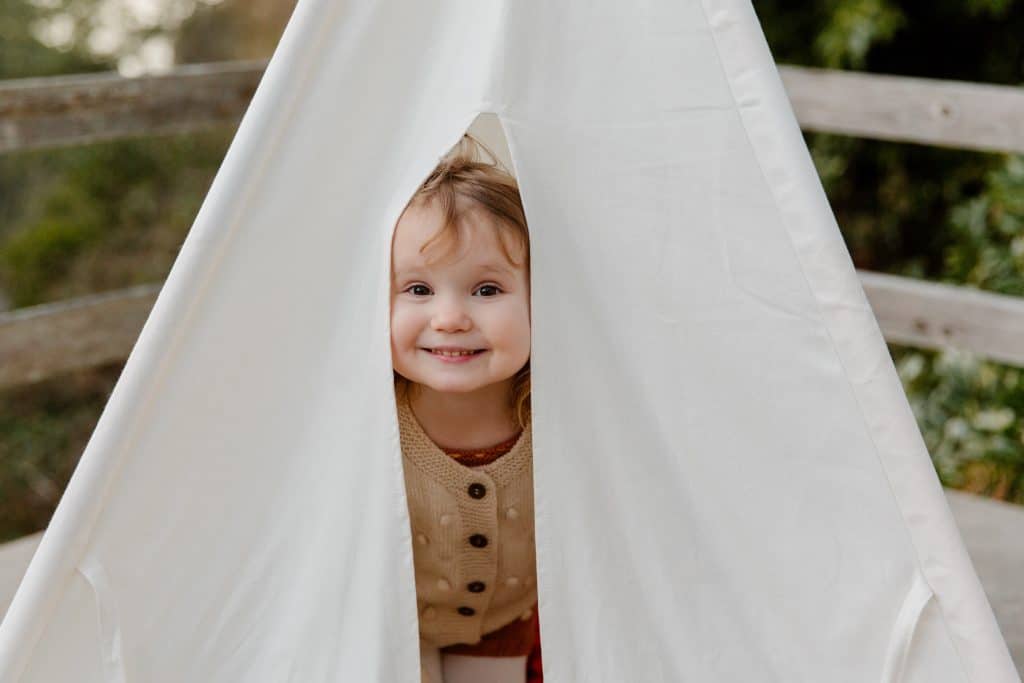
- Pop-up sun tents for the beach or park
- Large umbrellas with UV protection
- Canopy attachments for strollers
- Sun-protective car window shades for road trips
Read more: Sunscreen for Sensory Issues | Parent Guide
4. Teach Kids About Sun Safety
In my experience, kids who understand why sun safety matters are more likely to cooperate with protection measures. Start early and make it fun! Here are some age-appropriate ways I’ve seen parents successfully teach sun safety:
For Toddlers and Preschoolers:
- Use sun safety themed coloring books
- Create a “sunscreen song” to make application time more enjoyable
- Role-play with dolls or stuffed animals, showing how to apply sunscreen and wear protective clothing
For School-Age Kids:
- Conduct simple UV experiments with color-changing beads
- Create a sun safety scavenger hunt (find items that protect from the sun)
- Use apps or websites that show real-time UV index for your location
I’ve seen firsthand how empowering kids with knowledge can turn them into sun safety advocates. One of my young patients even started reminding her parents to reapply sunscreen during a family beach trip!
5. Be Extra Cautious Around Reflective Surfaces
Many parents I work with are surprised to learn that certain environments can amplify sun exposure. Reflective surfaces like water, sand, and snow can bounce UV rays back onto the skin, increasing the risk of sunburn. Here’s how to stay safe in these high-risk areas:
At the Beach or Pool:
- Reapply sunscreen more frequently, especially after swimming
- Set up a beach umbrella or tent for shade breaks
- Encourage kids to wear UV-protective swim shirts
In Snowy Conditions:
- Apply sunscreen to all exposed skin, including under the chin
- Wear wraparound sunglasses or goggles to protect eyes from glare
- Don’t forget lip balm with SPF
I once saw a child who got a sunburn while skiing – his parents hadn’t realized sun protection was necessary in winter. It’s a common misconception, but UV rays can be just as strong (or stronger) at high altitudes and when reflected off snow.
Goally | 100+ Streaming Video Classes
Does your child need some extra guidance on building essential life skills? Goally’s skill building tablet for kids includes a TV app that has the most robust video library of skills training videos for kids. Ranging from content like “How to Brush Your Teeth” to “How to Make Friends at School,” we have dozens of interactive video lessons for kids with thinking and learning differences.
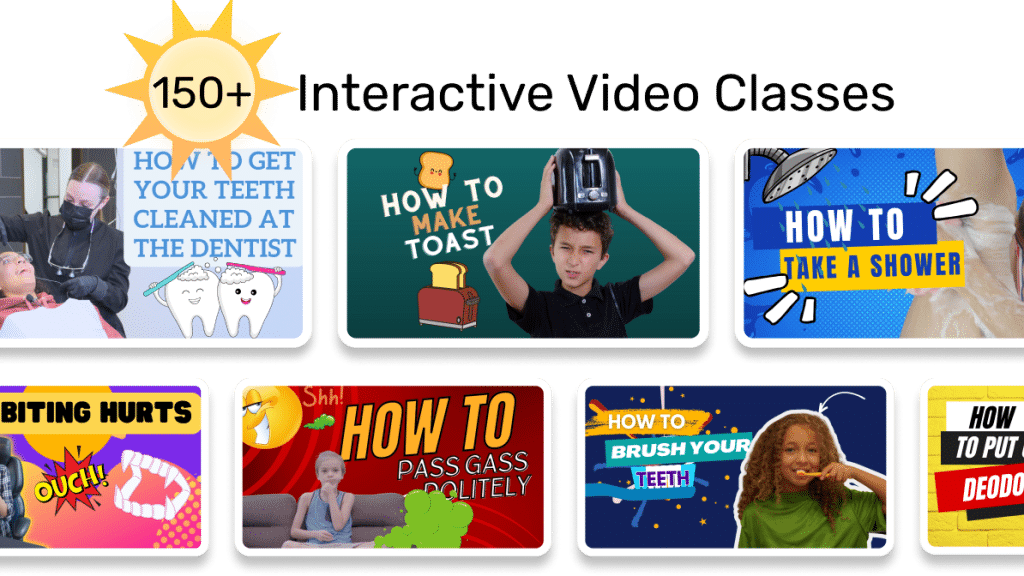
HERE’s a video explaining how to works.
Sun safety might seem overwhelming at first, but I promise it becomes second nature with practice. By choosing the right sunscreen, dressing for protection, timing your activities wisely, educating your kids, and being mindful of reflective surfaces, you’re setting your family up for a lifetime of healthy skin. Remember, every step you take to protect your children from sun damage is an investment in their long-term health. So slather on that sunscreen, pop on those hats, and enjoy your outdoor adventures with peace of mind!
Resources:
Goally | 100+ Streaming Video Classes
Does your child need some extra guidance on building essential life skills? Goally’s skill building tablet for kids includes a TV app that has the most robust video library of skills training videos for kids. Ranging from content like “How to Brush Your Teeth” to “How to Make Friends at School,” we have dozens of interactive video lessons for kids with thinking and learning differences.
HERE’s a video explaining how to works.
FAQs about Sun Safety
What is the best type of sunscreen to use?
A broad-spectrum sunscreen with an SPF of at least 30 is recommended for effective protection against both UVA and UVB rays. It's important to apply it generously and reapply every two hours, especially after swimming or sweating.

How often should I reapply sunscreen?
Sunscreen should be reapplied every two hours, or immediately after swimming, sweating, or towel drying. This ensures continuous protection from harmful UV rays.

Can I get sunburned on cloudy days?
Yes, up to 80% of the sun's UV rays can penetrate through clouds, so it's possible to get sunburned even on overcast days. It's important to wear sunscreen and take other sun safety precautions regardless of the weather.

Is it safe to use sunscreen on babies?
For babies under 6 months, it's best to keep them out of direct sunlight and use protective clothing. Sunscreen can be applied to small areas of exposed skin on babies older than 6 months.

Why is sun safety important for kids?
Children's skin is more sensitive to UV damage, and early sunburns can increase the risk of skin cancer later in life. Teaching sun safety habits early on helps protect their skin now and in the future.
This post was originally published on 09/26/2023. It was updated on 08/22/2024.

Hennah is an experienced writer and researcher, helping children with autism, ADHD, and other neurodivergent conditions. As a blog contributor for Goally, she combines her deep understanding of neurodiversity with practical advice, offering valuable insights to parents and educators.