Neuronormative means the usual or typical way that brains and minds work. It’s like a map of how most people think and behave.



Neuronormative means the usual or typical way that brains and minds work. It’s like a map of how most people think and behave.


Can kids with special needs conform to neuronormative standards?
While they may have different ways of thinking and learning, children with special needs can develop valuable skills and adapt to some neuronormative behaviors with appropriate support and guidance.
Are there any benefits to embracing neurodiversity alongside neuronormativity?
Embracing neurodiversity alongside neuronormativity fosters a more inclusive and accepting society, allowing individuals to showcase their unique talents and perspectives, which can lead to innovation and progress.
Is being neuronormative the same as being "normal"?
Neuronormative describes a common way of thinking and behaving, but it’s important to remember that there is no single “normal” way of being. Diversity in cognitive and neurological functioning is natural and valuable.
Are there any disadvantages to solely adhering to neuronormative standards?
While neuronormativity provides a framework for understanding typical behavior, relying solely on these standards can limit our appreciation of diverse perspectives and hinder our ability to adapt and innovate in an ever-changing world.


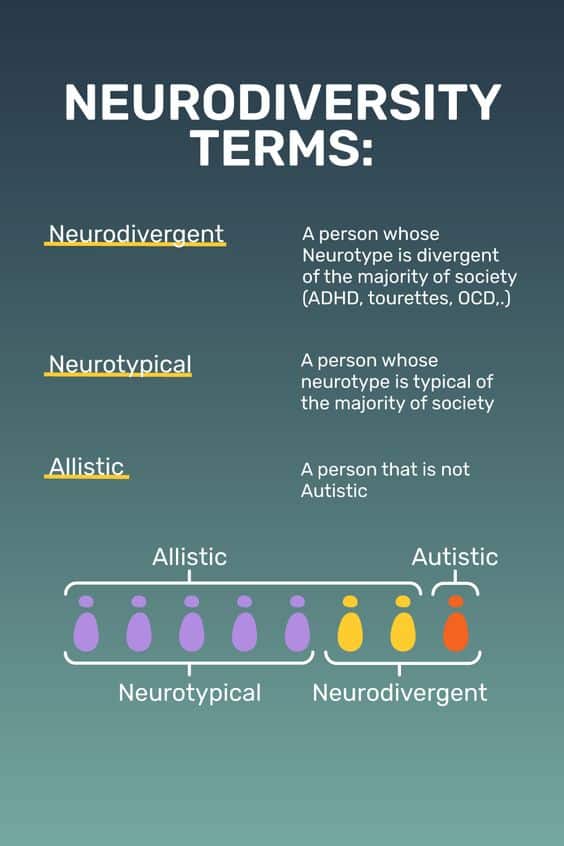
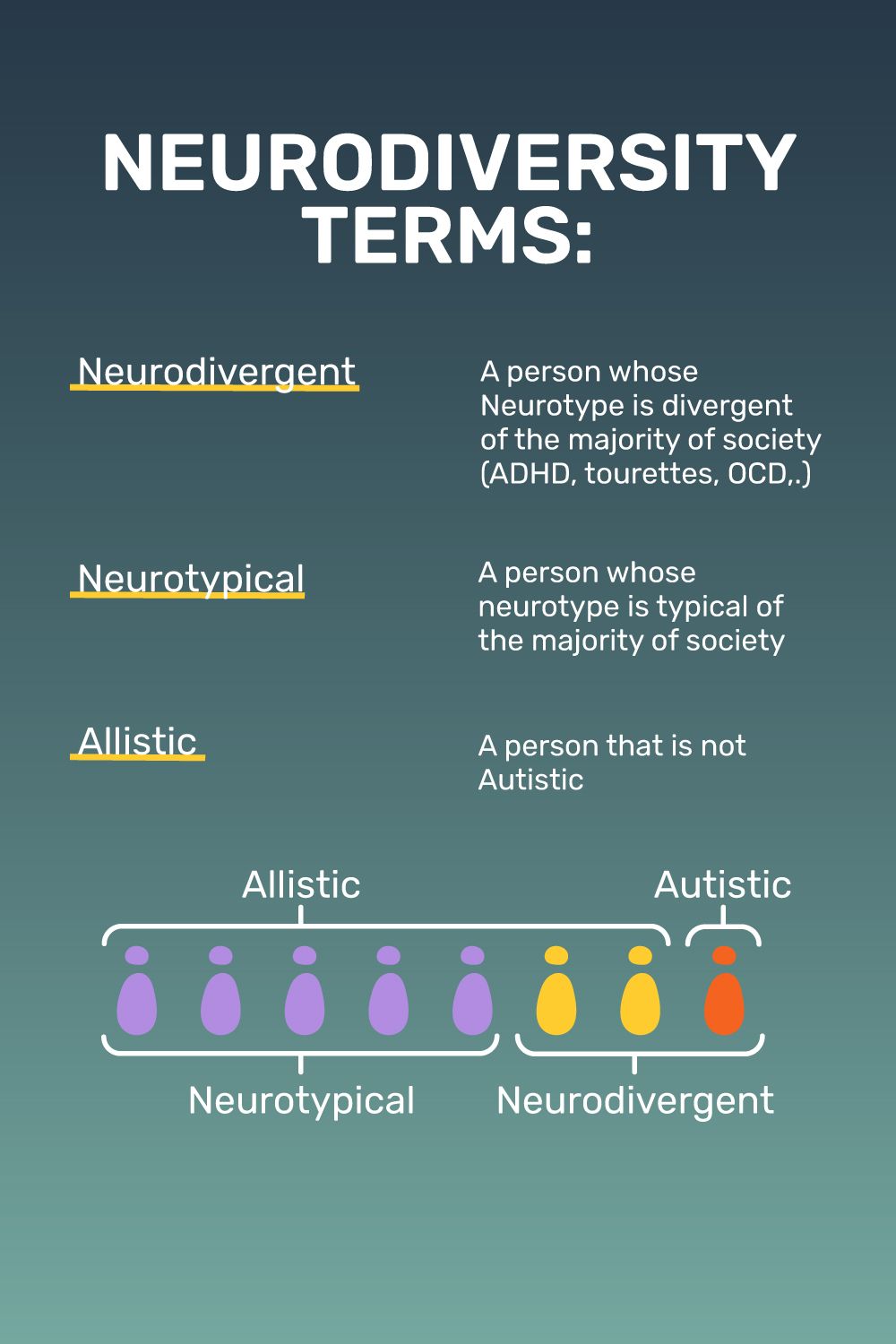
Neuronormative refers to the socially accepted and expected neurological and cognitive functioning patterns. It represents how individuals process information, communicate, and interact with the world. Neuronormativity often forms the basis for societal norms and expectations, influencing how people are perceived and valued in various contexts. Understanding neuronormativity can help parents of kids with special needs appreciate and navigate the differences in cognitive and neurological functioning that their children may exhibit compared to the neuronormative standard.

Neuronormativity influences various aspects of life. Here are some examples:
Recognizing neuronormativity helps parents understand the standards society often sets, but it’s essential to respect and celebrate neurodiversity, as every child is unique and valuable, no matter how they differ from these norms. Goally, a tablet tool, empowers kids with special needs to thrive in the neuronormative world, offering essential life and language skills through engaging apps.