Engaging your child’s behavior can feel like navigating a winding path with no map. For parents seeking answers, understanding your child’s personality, habits, and quirks are crucial steps to building a stronger bond. Offering a compass in the form of a personality disorder quiz, this blog will unravel the intricacies of personality disorders in the context of kids and their behaviors, providing much-needed clarity.
Table of Contents
Understanding Personality Disorders
Decoding what lies behind those sparkling eyes and infectious laughter can be a big step toward understanding your child’s inner world. Personality disorders are characterized by a consistent pattern of thought, emotion, and behavior significantly different from what is generally expected.
Personality disorders range anywhere from Antisocial Personality Disorder (APD) to Borderline Personality Disorder. It is important, however, to remember that children and adults experience these disorders differently.
The Spectrum of Personality Disorders
Personality disorders are much more than just medical jargon. They encompass various different behaviors and thought processes.
- Antisocial Personality Disorder (APD) – This disorder typically presents itself as a disregard for others’ feelings or violations of people’s rights.
- Borderline Personality Disorder (BPD) – BPD often involves instability in emotions, behavior, relationships, and self-image.
- Narcissistic Personality Disorder (NPD) – Here, people have an inflated sense of their own importance and a deep need for excessive attention and admiration.
Read more: 3 Toddler Behavior Issues | How to Fix Them
Signs of Personality Disorders in Kids
Even children can experience personality disorders. However, the manifestations of their quirks and characteristics become evident only over a span of some time. For kids with special needs or kids with thinking and learning differences, the signs may be more pronounced. Empathy, understanding, and awareness are all starting points for parents looking for answers about such kids.
Identifying personality disorders in kids can be challenging due to the evolving nature of a child’s personality. However, certain persistent behaviors might be set off your parental radar. Intense emotions, impulsive reactions, difficulty in relationships, and disturbances in self-identity are common footprints left by personality disorders.
Identifying Personality Disorders – The Goally’s Quiz
Understanding your child’s mind is no easy mission, particularly when you are dealing with behavioral challenges. That’s where the personality disorder quiz steps in. It’s not a magic bullet, but it is a tool that may uncover layers that can change your child’s life and your parenting strategies.
Helping Your Child Navigate Their Emotions
While unraveling the puzzle of your child’s personality may seem overwhelming, remember that you’re not alone, and there’s always a map waiting to be discovered. Follow the steps in our guide and consider seeking professional help when required.
- Value of emotional literacy: Emotional literacy is the capacity to comprehend and articulate feelings. Teaching emotional literacy gives your kids the tools to manage powerful feelings and build happier and healthier relationships.
- Building a supportive environment: Create a nurturing environment for neurodivergent kids. Reassure them that it’s okay to be different and make them understand that diversity adds color to our lives.
- Empower kids: Like their neurotypical comrades, kids with personality disorders can lead fulfilling lives. And with the right approach, you, as a parent, can empower them to strive towards their maximum potential.
Read more: Reward Behavior Chart
Tired of Emotional Meltdowns?
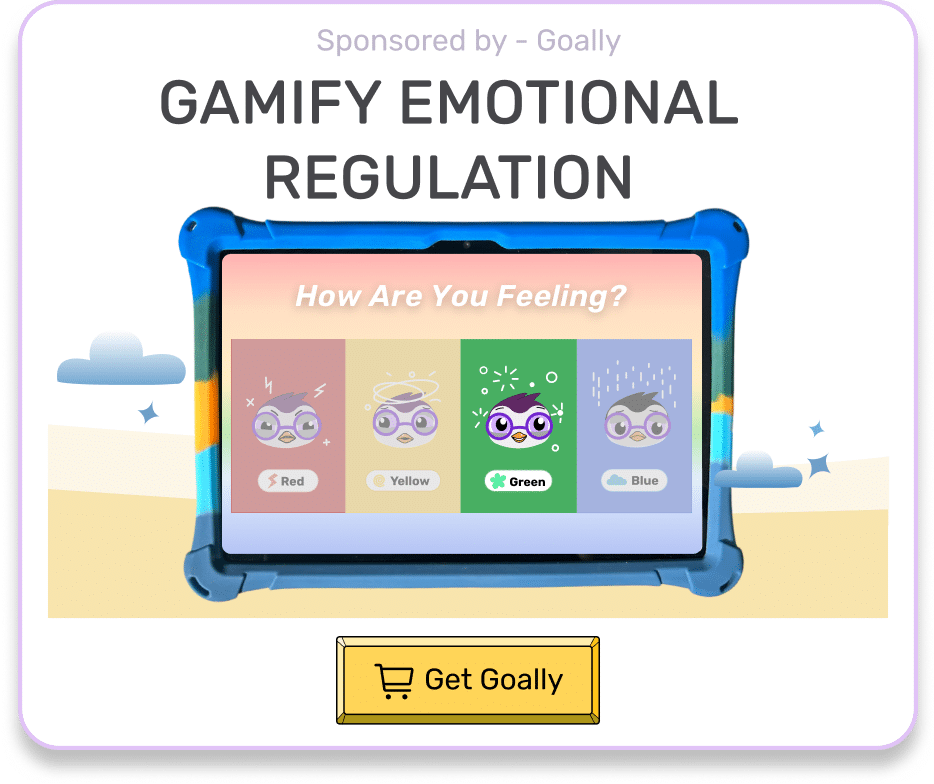
Goally’s Mood Tuner app has activities for kids with BIG emotions. Teach kids how to tune their mood with Goally. See fewer meltdowns.
The Mood Tuner app encourages kids to look inwards and identify their feelings, helping them understand what’s going on inside. Once they’ve recognized their emotions, they can choose from a 20+ activities designed to help them self-regulate and find their balance.
To Sum Up…
Understanding personality disorders, especially in kids, can be complex. But take heart; you’re already on the right path by seeking information to better understand your child. Remember to offer your unwavering support, love, and understanding to these children and provide them with all the resources they need to flourish. Armed with the information here and the insights from the personality disorder quiz, let’s gently steer them towards a brighter, happier future. You’re stronger than you think, and so is your child.

Hennah is an experienced writer and researcher, helping children with autism, ADHD, and other neurodivergent conditions. As a blog contributor for Goally, she combines her deep understanding of neurodiversity with practical advice, offering valuable insights to parents and educators.