Are you a parent seeking answers about your little star? Do the words ’Asperger’s Syndrome’ seem familiar yet incomprehensible? You’re in the right place. This blog post deeply examines Asperger’s Syndrome, providing a much-needed flashlight into this otherwise misty path. We understand the complexities; we understand the fears. So, hold our hands as we unravel the veil, one string at a time. And towards the end, find a specially designed quiz that might shed further light on your search.
Table of Contents
What is Aspergers Syndrome?
Firstly, let’s clarify what Aspergers Syndrome stands for. It’s a pervasive developmental disorder, often considered a high-functioning end of the autism spectrum. Kids diagnosed with Aspergers often display social awkwardness, an all-absorbing interest in particular topics, and difficulties in empathy or understanding other perspectives.
Aspergers is a variation in the neurobiology spectrum. That is to say, it’s not a disease, but a unique approach to experiencing and interpreting the world, especially prominent in kids with special needs. The American Psychiatric Association, in 2013, classified it under the encompassing term, ‘Autism Spectrum Disorder‘ (ASD).
Signs and Symptoms
The signs of Aspergers, like any ASD, can range widely but tend to get displayed chiefly in two areas: Social Interaction and Communication, and Restricted/Repetitive Interests. However, it’s crucial to note that Aspergers doesn’t equate to low intelligence or lack of potential.
- Social Interaction and Communication: Kids with Aspergers usually struggle with social interaction. They might have limited eye contact, face difficulty in understanding social norms or expressing emotions.
- Restricted Interests: A kid with Aspergers often has one or two topics they’re intensely passionate about. They can talk about these subjects for hours, exploit every resource they can to know more about it, and struggle to shift their focus to other realms.

Read more: Does My Child Have Asperger’s?
Aspergers and Its Common Folklore
Likewise, the realm of Aspergers encompasses various myths and misconceptions; for instance, it’s often confused with social awkwardness. An important nuance exists – while a socially awkward child could potentially grow out of it, a child with Aspergers does not ‘outgrow’ their neurodiversity. Under the same umbrella, we also need to clarify certain preconceived notions.
- Aspergers is not a behavioral problem: It is, in fact, a neurological divergence that needs understanding and acceptance, not a correctional approach.
- Individuals with Aspergers do not lack empathy: They have unique ways of expressing their feelings or might struggle communicating them, but it does not suggest they don’t understand or consider others’ feelings.
- Aspergers is not a symptom of inadequate parenting: It’s a neurological difference, not a repercussion of parenting styles or practices.
Read more: What is The Difference Between Asperger’s and ADHD?
When to Seek an Aspergers Test for Your Kid
Identifying a need for an Asperger’s test can be challenging. This is primarily because the symptoms can overlap with other conditions or reflect different aspects of your child’s unique personality. But notice your child struggling with social interactions or obsessive attention to certain topics is causing distress. It may be time to seek professional guidance. Remember, acknowledging the challenge is not labeling; it’s enabling. It’s a step towards understanding better and providing the right support.
Your Role as a Parent
As parents, our roles extend beyond seeking an Asperger’s test. It’s about fostering an environment of support, patience, and understanding. It’s about embracing the differences and fueling their unique strengths. So, how can you facilitate your child’s journey?
- Nourish their Interest: Channel the child’s robust focus to develop a practical skill or gain knowledge.
- Social Skills Training: Providing training and understanding of social norms can be a massive boost.
- Communication Aids: Augmentative and alternative communication aids help in enhancing communication ability.

Goally | Skills Training Videos for Kids
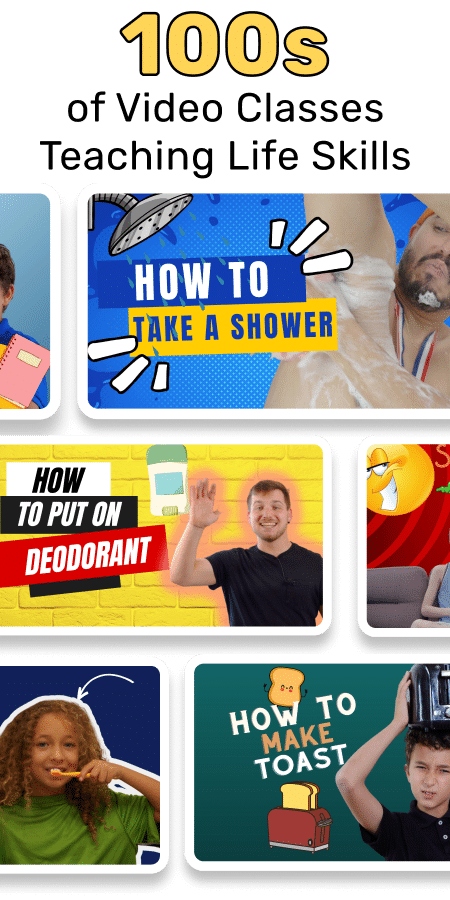
Does your child need some extra guidance on building essential life skills? Goally’s TV app for kids has the most robust video library of skills training videos for kids. Ranging from content like “How to Brush Your Teeth” to “How to Make Friends at School,” we have dozens of interactive video lessons for kids with thinking and learning differences.
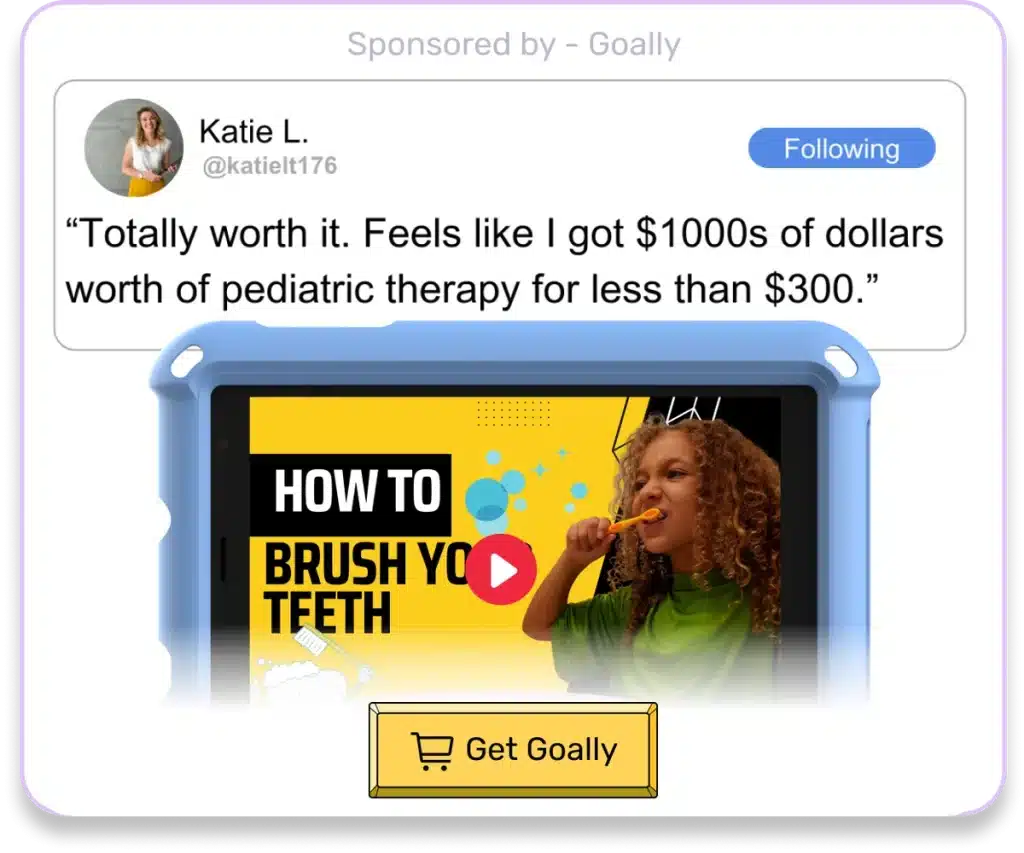
Dive into the Goal Mine channel, where Puffy the Penguin leads your child through behavior skills training videos. They’ll learn social, hygiene, and living skills that are key to their independence. For those moments when they need a break, the Chill Zone channel offers low stimulation video content with Paulie the Penguin at the beach, perfect for relaxation and self-regulation.
To Sum Up
Whether your child is neurodivergent or not, they are, first and foremost, just that—children. They have dreams, fears, abilities, and a hunger to explore. They might have a different lens to understand the world, but that only makes their world more colorful and versatile. So, whether you take the Aspergers test or not, your love and understanding remain their beacon of hope.
Understanding Aspergers Syndrome is vital for parents for early detection. An Asperger’s test can enable this understanding and, consequently, better support for your kids. However, never forget that beneath these labels, your child is just a kid—curious, exceptional, and unique.

Hennah is an experienced writer and researcher, helping children with autism, ADHD, and other neurodivergent conditions. As a blog contributor for Goally, she combines her deep understanding of neurodiversity with practical advice, offering valuable insights to parents and educators.