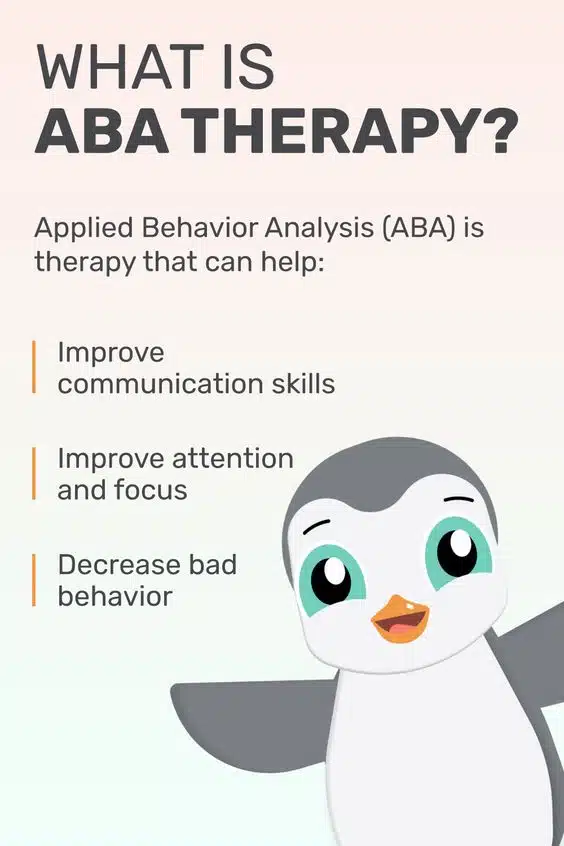
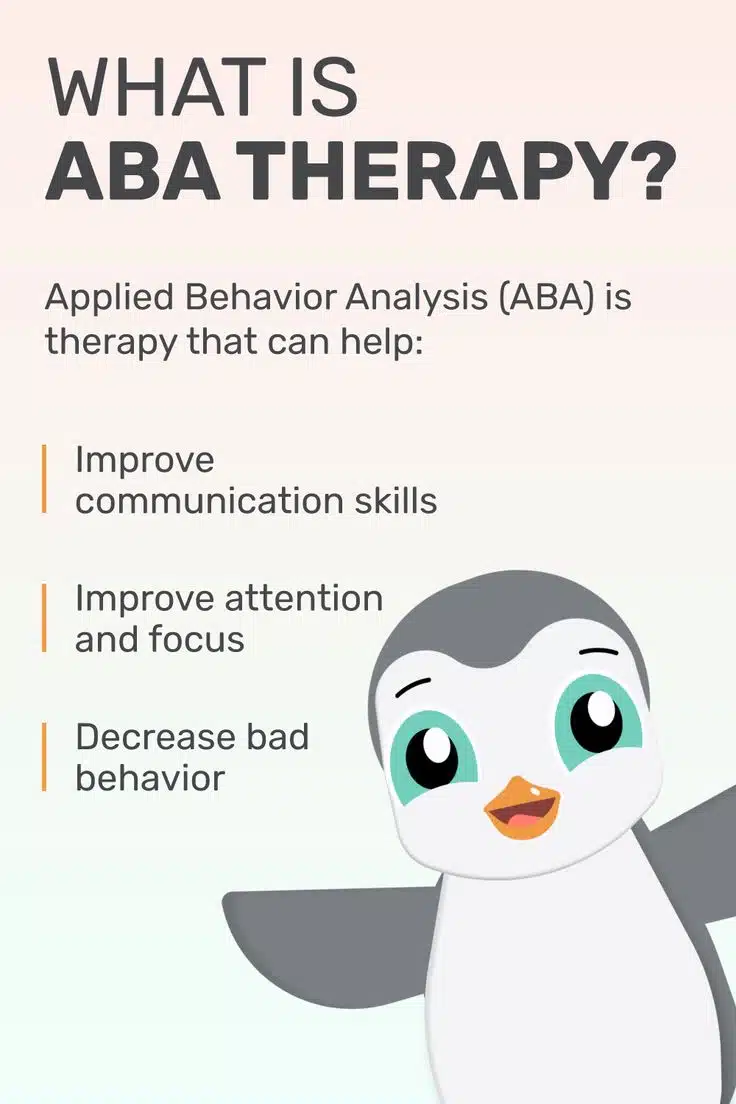
The Lovaas Method is a way to help children with special needs, like autism, learn new skills and improve their communication and behavior. It uses positive techniques and lots of practice to help kids develop important abilities they need daily.



The Lovaas Method is a way to help children with special needs, like autism, learn new skills and improve their communication and behavior. It uses positive techniques and lots of practice to help kids develop important abilities they need daily.


Is the Lovaas Method personalized for each child?
Yes, the method is tailored to meet each child’s unique needs and abilities. It’s flexible and can be adjusted to suit individual developmental goals.
What types of skills can be taught using the Lovaas Method?
The Lovaas Method can be applied to a wide range of skills, including communication, social interactions, self-care routines, and academic tasks, promoting overall independence.
How does positive reinforcement work in the Lovaas Method?
Positive reinforcement involves rewarding a child’s successful attempts with praise, tokens, or other preferred items. This motivates them to continue practicing and learning new skills.
Can the Lovaas Method be used for children of all ages?
Yes, the Lovaas Method can be effective for children of various ages, from early childhood through adolescence. The approach is adaptable and can address age-appropriate developmental goals.


The Lovaas Method, also known as Applied Behavior Analysis (ABA) therapy, is a structured and evidence-based approach to assist children with neurodiverse conditions, such as autism spectrum disorder, in acquiring essential life skills. This method employs systematic teaching strategies and behavioral interventions to address various developmental areas, including communication, social interactions, and adaptive behaviors. The Lovaas Method seeks to promote skill acquisition and positive behavioral changes in children with special needs by utilizing positive reinforcement and breaking down tasks into manageable steps. This approach is often personalized to suit each child’s unique requirements, facilitating their progress and enhancing their overall quality of life.

The Lovaas Method operates on the principle that consistent positive reinforcement and carefully structured teaching can assist children with special needs develop new skills and behaviors.
The Lovaas Method empowers children with structured learning and positive reinforcement. Goally, a versatile tablet, offers complementary apps for life skills, language, and more, supporting children’s development in alignment with the Lovaas Method.