Reversing numbers is when a child mixes up the order of numbers, like saying “21” instead of “12.” It’s like a number flip in their mind.



Reversing numbers is when a child mixes up the order of numbers, like saying “21” instead of “12.” It’s like a number flip in their mind.


Is reversing numbers a sign of a learning disability?
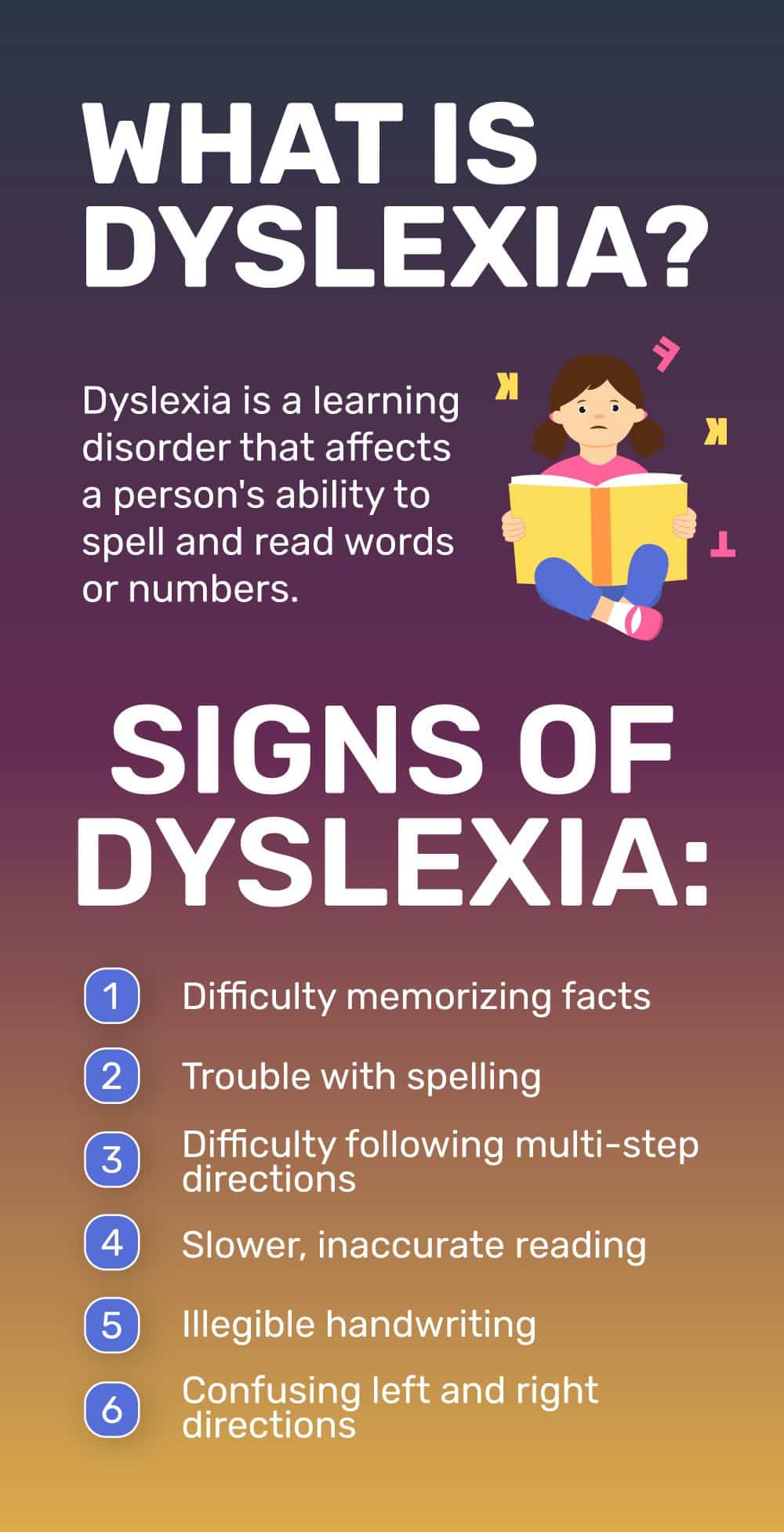
Reversing numbers is often associated with certain learning differences like dyslexia and dyscalculia, but it’s important to remember that it doesn’t define intelligence and can be addressed with targeted interventions.
Will my child outgrow reversing numbers?
With appropriate support and strategies, many children improve their number skills over time. Early intervention and consistent practice can make a positive impact.
Can I help my child at home with reversing numbers?
Absolutely! Using engaging activities like number stories, games, and visual aids, you can create a supportive learning environment to help your child strengthen their number comprehension.
Can stress or anxiety contribute to my child's number reversals?
Yes, stress and anxiety can affect cognitive processing, potentially leading to increased instances of number reversals. Creating a supportive and relaxed learning environment can help mitigate these effects.


Reversing numbers, often found in some neurodivergent kids, refers to the tendency to switch the order of numbers. For instance, they might read “23” as “32.” This phenomenon can occur due to differences in how their brains process and organize numerical information. It’s important to note that this doesn’t indicate a lack of intelligence but rather highlights their unique cognitive processing style. Encouraging patients and tailored learning strategies can help them better grasp numerical sequences.

Children who experience reversing numbers might have certain neurodivergent conditions that influence how they perceive and manipulate numerical information. Here are some conditions that can be associated with this phenomenon:
Recognizing the underlying conditions can guide parents and educators in providing targeted support and strategies. Goally, a versatile tablet offering gamified learning, visual schedules, and skill training videos, presents a valuable tool to assist children with neurodivergent conditions in improving numerical understanding and various life skills.