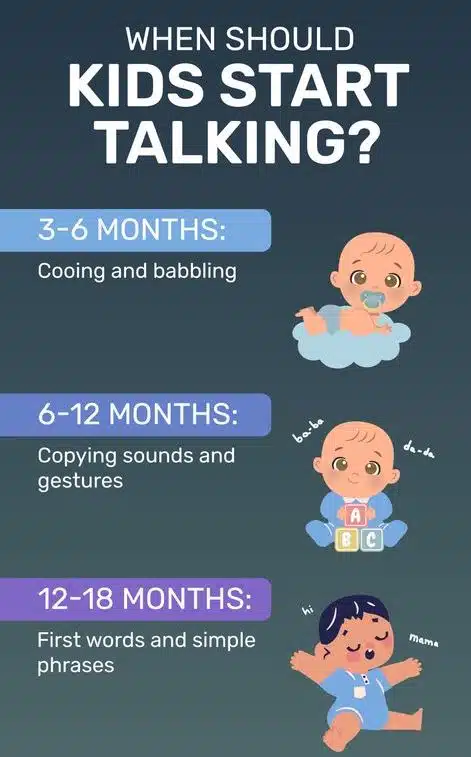
Pragmatic Language Impairment means a person might find it tricky to use words and sentences to talk with others. It can sometimes make chatting and understanding social cues more challenging.



Pragmatic Language Impairment means a person might find it tricky to use words and sentences to talk with others. It can sometimes make chatting and understanding social cues more challenging.


How is PLI different from other language disorders?
Unlike some language disorders that affect grammar or vocabulary, PLI specifically impacts social communication, making it challenging for individuals to engage in meaningful conversations and interpret nonverbal cues.
Can PLI be improved with therapy?
Yes, speech therapy and social skills interventions can help individuals with PLI enhance their communication skills, learn conversational rules, and improve interaction with peers.
Is PLI a lifelong condition?
While PLI can persist into adulthood, early intervention and consistent therapy can lead to significant improvements in communication and social skills over time.
Can children with PLI develop strong friendships?
Absolutely, with the right support and guidance, children with PLI can build meaningful friendships by practicing social skills, understanding emotions, and finding common interests.


Pragmatic Language Impairment, often called PLI, is when someone faces challenges in using language effectively for communication in social situations. This includes difficulties using words, sentences, and gestures to have meaningful conversations, understand social rules, and pick up on nonverbal cues like facial expressions and body language. People with PLI might need help to take turns in conversations, use appropriate tone and volume, and understand sarcasm or humor. It’s a part of neurodiversity and can be supported through speech therapy and tailored communication strategies.

Understanding the signs of Pragmatic Language Impairment (PLI) can empower you to better support your child’s communication. Keep an eye out for these cues:
By recognizing these symptoms, you can provide targeted assistance. Goally’s tablet provides kids with Pragmatic Language Impairment (PLI) fun apps for language, social skills, and life lessons. Goally enjoyably supports communication and essential skills from digital schedules to interactive learning.