Trusted by 100,000+ Families

What is ADHD Resistance to Change?

Home>>Neurodiversopedia>>A Terms

Summary

summary

ADHD resistance to change is when kids with ADHD have a hard time switching from one activity to another or dealing with unexpected changes in their routine. They might get upset or throw tantrums when asked to stop doing something they enjoy or when their usual schedule is disrupted.

Frequently Asked Question

donut

Is resistance to change a permanent trait in neurodivergent children?

Resistance to change is a common symptom, but with appropriate interventions and support, neurodivergent children can develop coping skills and become more adaptable over time.

Can resistance to change affect my child's social interactions?

Yes, resistance to change can impact social interactions as sudden changes may lead to discomfort or anxiety in social settings. Helping your child cope with change can improve their social experiences.

Is it normal for resistance to change to fluctuate over time?

Yes, resistance to change may vary depending on factors such as the specific situation, the child’s emotional state, and their overall development. Consistent support and understanding can help them manage these fluctuations effectively.

Can resistance to change be managed at home, or is professional intervention necessary?

While some strategies can be implemented at home, professional intervention, such as therapy or counseling, can provide specialized guidance and support to help your child navigate through resistance to change more effectively.

Scientific Definition

scientist

Resistance to change in Attention-Deficit/Hyperactivity Disorder (ADHD) refers to the significant difficulty individuals experience in adapting to alterations in their environment, routines, or expectations. This characteristic is often associated with executive function deficits, particularly in cognitive flexibility and emotional regulation. Children with ADHD may exhibit intense emotional reactions, increased anxiety, or oppositional behavior when faced with transitions or unexpected changes.


Resources:

Treatment to Help with the Symptom Resistance to Change

When dealing with the symptom of resistance to change in neurodivergent children, effective treatment strategies can make a significant difference in their overall well-being. Here are some that you can try:

  • Create routines: Set up consistent daily schedules for meals, homework, and bedtime.
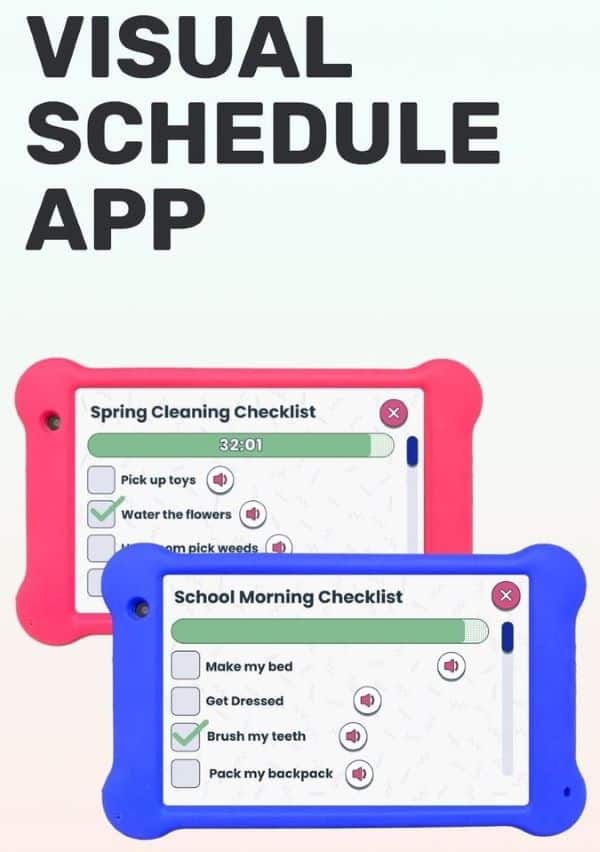
  • Use visual aids: Make calendars or charts to show upcoming events or changes.
  • Give warnings: Let kids know about changes in advance, like “We’re leaving in 10 minutes.”
  • Offer choices: Let them pick between two options to feel more in control.
  • Practice flexibility: Gradually introduce small changes to build adaptability skills.

Long-term, kids can learn to manage transitions better with practice and support. They’ll develop coping strategies that’ll help them navigate changes more smoothly as they grow up. Remember, progress takes time, but every small step counts!


Conditions Associated with Resistance to Change

ADHD resistance to change often occurs alongside other conditions. These can impact how a child responds to changes in their environment or routine.

  • Anxiety disorders: May increase fear of the unknown or new situations
  • Autism Spectrum Disorder (ASD): Can intensify the need for sameness and routine
  • Oppositional Defiant Disorder (ODD): Might lead to more intense reactions to changes
  • Sensory Processing Disorder: Can make environmental changes overwhelming
Condition How it affects change resistance
Anxiety Increases worry about new situations
ASD Heightens need for predictability
ODD May cause stronger negative reactions
Sensory Processing Makes changes feel more intense

Understanding these connections helps parents and caregivers provide better support.


This post was originally published on July 28, 2023. It was updated on August 11, 2024.