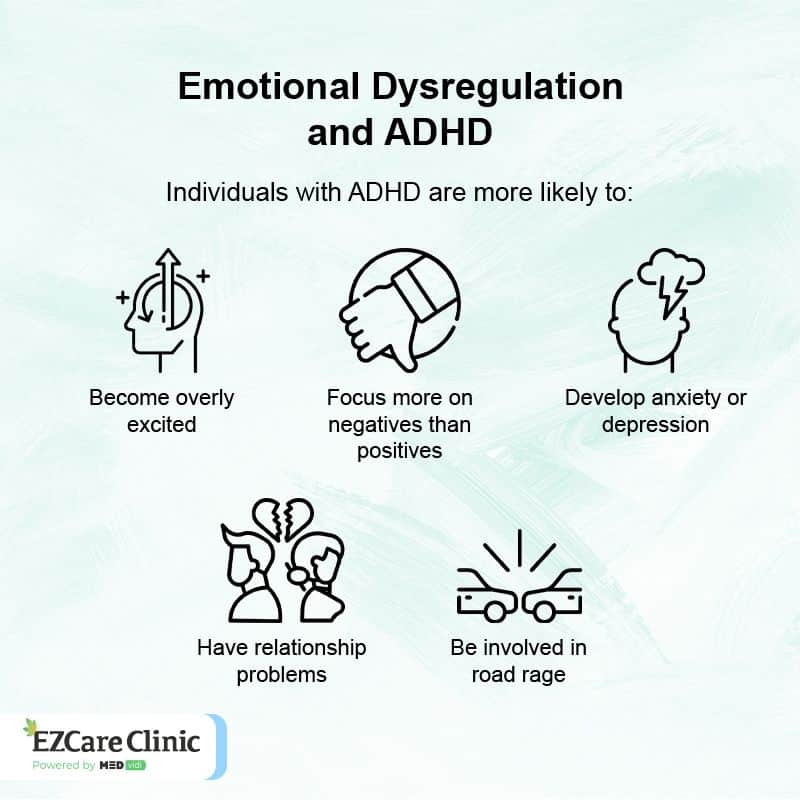
Hyperemotional means experiencing intense emotions that are more intense or frequent than what is typically seen in others. It can cause strong reactions to everyday situations and may lead to heightened sensitivity.



Hyperemotional means experiencing intense emotions that are more intense or frequent than what is typically seen in others. It can cause strong reactions to everyday situations and may lead to heightened sensitivity.


How can I differentiate between normal emotional responses and hyperemotional reactions?
Hyperemotional reactions tend to be more intense, frequent, and may seem disproportionate to the situation compared to typical emotional responses seen in others.
Is being hyperemotional a sign of weakness or a mental health disorder?
No, being hyperemotional is not a sign of weakness or a mental health disorder. It is simply a unique way of experiencing and expressing emotions that may require understanding and appropriate support.
Can children outgrow hyperemotional traits as they grow older?
While some children may develop better emotional regulation skills over time, hyperemotional traits can persist into adulthood. Early interventions and support can significantly impact the long-term emotional well-being of individuals with these traits.
Can parenting styles influence hyperemotional behavior in children?
Parenting styles can play a role in shaping emotional responses in children, but it is essential to recognize that hyperemotional traits can be influenced by a combination of factors, including neurobiology and genetic predisposition. Providing understanding, support, and appropriate coping strategies can be beneficial for children with hyperemotional traits.


Hyperemotional, in the context of neurodiversity, refers to an individual’s tendency to experience emotions exceptionally intensely. This emotional intensity can lead to exaggerated reactions compared to neurotypical individuals. Remember that being hyperemotional does not imply weakness or fragility; rather, it signifies a unique way of processing and expressing emotions. Hyperemotional individuals may have a heightened sensitivity to stimuli, which can impact their emotional responses. It is crucial for parents of children with this trait to provide understanding, support, and appropriate coping strategies to help their children navigate their emotional landscape positively and constructively.

Hyperemotional traits can be observed in various neurodivergent conditions, contributing to the uniqueness of an individual’s emotional experiences. Here are some of the most common conditions:
Early identification and targeted interventions can positively impact the emotional well-being and overall quality of life for these individuals. Goally’s tablet offers apps for emotional regulation, executive functioning, and social skills, helping kids with hyperemotional traits develop life and language skills through fun activities and gamified learning.