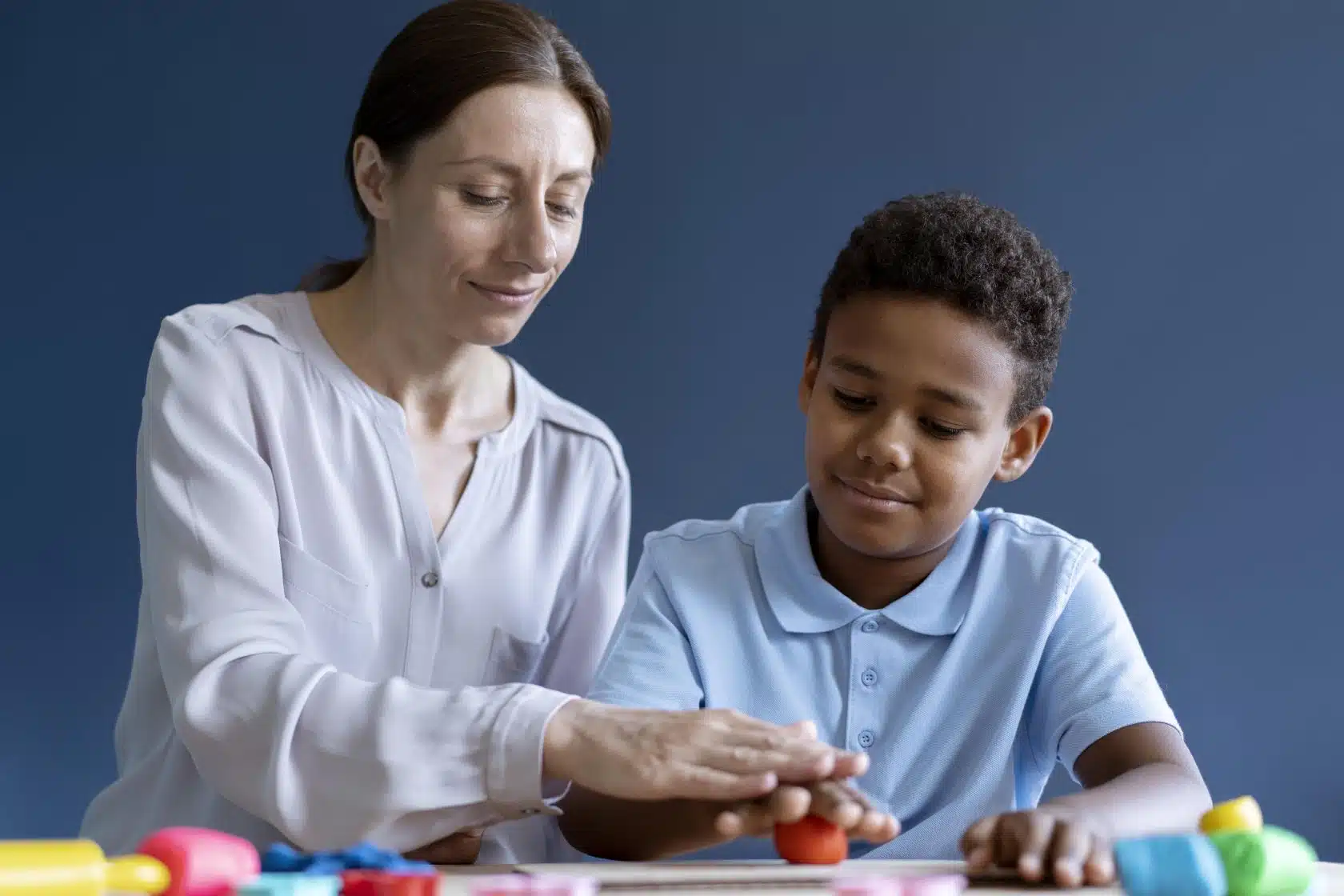
A behavioral specialist helps children with special needs by focusing on their behavior and finding effective strategies to support their development and well-being.



A behavioral specialist helps children with special needs by focusing on their behavior and finding effective strategies to support their development and well-being.


What qualifications does a behavioral specialist have?
Behavioral specialists often hold degrees in fields such as psychology, behavior analysis, or special education. They also undergo specialized training and may be certified as behavior analysts or behavior therapists.
Will a behavioral specialist work with other professionals involved in my child's care?
Yes, behavioral specialists collaborate with other professionals, including educators, therapists, and doctors, to ensure a comprehensive and coordinated approach to your child’s care. They value teamwork and aim to provide holistic support.
How long will my child need to work with a behavioral specialist?
The duration of support from a behavioral specialist varies depending on the unique needs of your child. They will work closely with you and your child to develop a personalized plan, monitor progress, and make adjustments as necessary to ensure continued growth and success.


A behavioral specialist, a behavior analyst, or a behavior therapist is a trained professional specializing in understanding and addressing behavior-related challenges in children with special needs. They use evidence-based techniques to assess, analyze, and modify behaviors to improve social skills, communication, and overall functioning. By employing positive reinforcement, structured interventions, and individualized plans, behavioral specialists support children in reaching their full potential and achieving meaningful progress.

Behavioral specialists assess, analyze, and modify behaviors in children with special needs. Here’s how they can help:
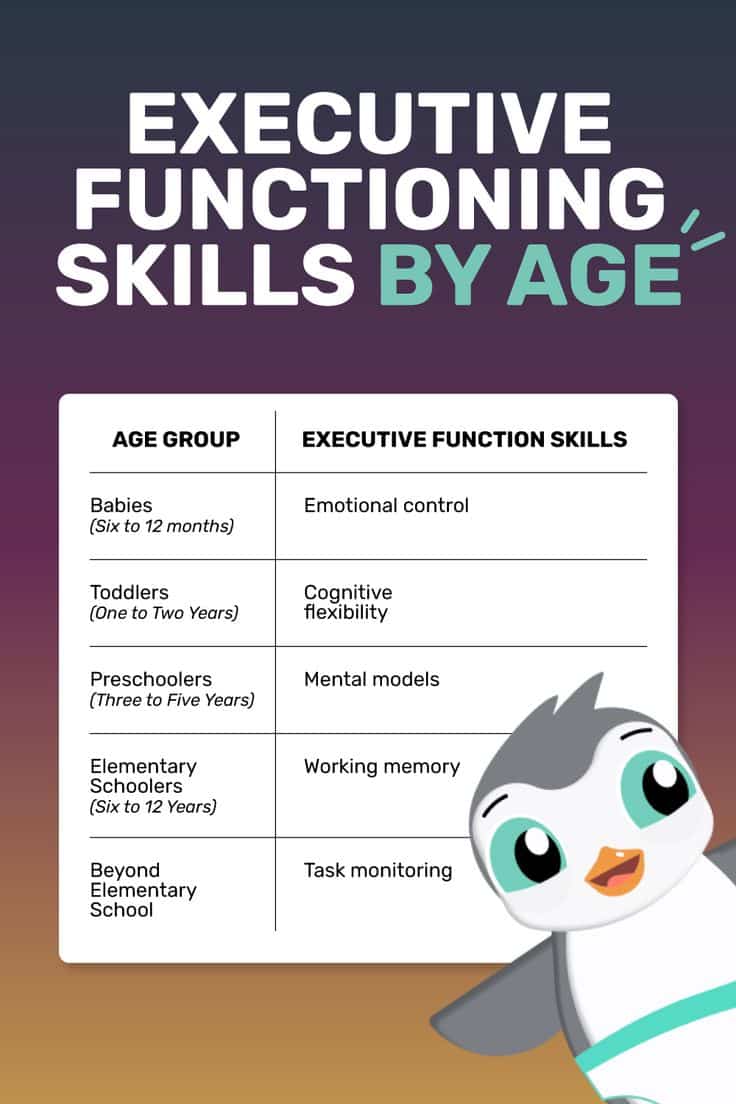
In conclusion, behavioral specialists support positive behavior and skill development in children with special needs. Goally, a tablet-based tool, complements the work of behavioral specialists by offering interactive apps for kids to build life and language skills. With features like digital schedules, AAC, gamified learning, and skills training videos, Goally reinforces social skills, emotional regulation, executive functioning, and daily routines in line with the goals of behavioral specialists.
This post was originally published on June 12, 2023. It was updated on July 18, 2023.