Parents, you’re constantly seeking answers to better understand your child’s unique needs. One question that might be on your mind is, “What is ADHD commonly mistaken for?” In this blog post, we’ll help you uncover the truth behind this question, exploring conditions that are often misdiagnosed as ADHD and providing insights to help you through the complex world of neurodivergent kids. By the end of this post, you’ll have a clearer understanding of the differences between ADHD and its common lookalikes, empowering you to better support your child’s journey with the help of tools like Goally.
Table of Contents
Common Conditions Mistaken for ADHD
First, let’s look into the conditions that are frequently mistaken for ADHD. It’s crucial to recognize these conditions to ensure your child receives the appropriate support and interventions. Some of the most common conditions misdiagnosed as ADHD include:
- Anxiety
- Autism Spectrum Disorder (ASD)
- Learning Disabilities
- Sensory Processing Disorder (SPD)
- Sleep Disorders

Read More: Is ADHD a Form of Anxiety?
Anxiety
It’s not surprising that anxiety is often mistaken for ADHD, as both conditions can present with similar symptoms, such as difficulty concentrating, restlessness, and impulsivity. However, the root cause of these symptoms differs. In anxiety, the symptoms are often by excessive worry or fear, whereas in ADHD, they stem from difficulties with attention and executive functioning.
To clarify the diagnosis, it’s essential to look at the context in which the symptoms occur and consult with a mental health professional. Goally can also be a valuable tool in managing anxiety symptoms by providing structure and routine for your child.
Autism Spectrum Disorder (ASD)
ASD and ADHD share some overlapping symptoms, such as difficulties with social skills, communication, and repetitive behaviors. However, kids with ASD may also exhibit unique traits, such as restricted interests, sensory sensitivities, and difficulties with nonverbal communication. A thorough evaluation by a specialist can help differentiate between the two conditions and ensure your child receives the appropriate support.
Goally can be a helpful tool for kids with ASD, as it provides visual schedules and reminders to assist them and stay on track and to manage their daily routines.
Learning Disabilities
Learning disabilities, such as dyslexia or dyscalculia, can also be similar to ADHD. While kids with ADHD struggle with attention and executive functioning, those with learning disabilities face specific challenges in reading, writing, or math. It’s important to recognize that a child can have both ADHD and a learning disability, so a comprehensive evaluation is crucial to identify and address all areas of need.
| Learning Disability | Challenges |
|---|---|
| Dyslexia | Reading and language processing |
| Dyscalculia | Math and number processing |
| Dysgraphia | Writing and fine motor skills |
Sensory Processing Disorder (SPD)

Read more: What are the Signs of Sensory Processing Disorder?
SPD is another condition that can be like ADHD. Kids with SPD have difficulty processing sensory information, which can lead to overstimulation, distractibility, and impulsivity. However, unlike ADHD, the primary issue in SPD is the processing of sensory input, not attention or executive functioning.
Read More: Is SPD Neurodivergent?
An occupational therapist can help assess your child for SPD and provide tailored interventions to support their sensory needs. Goally can also assist in creating routines and schedules that accommodate your child’s sensory preferences, making daily life more manageable.
Sleep Disorders
Sleep disorders, such as sleep apnea or insomnia, can also mimic ADHD symptoms. Poor sleep can result in daytime fatigue, irritability, and difficulty concentrating. Addressing the underlying sleep issue can often lead to significant improvements in attention and behavior.
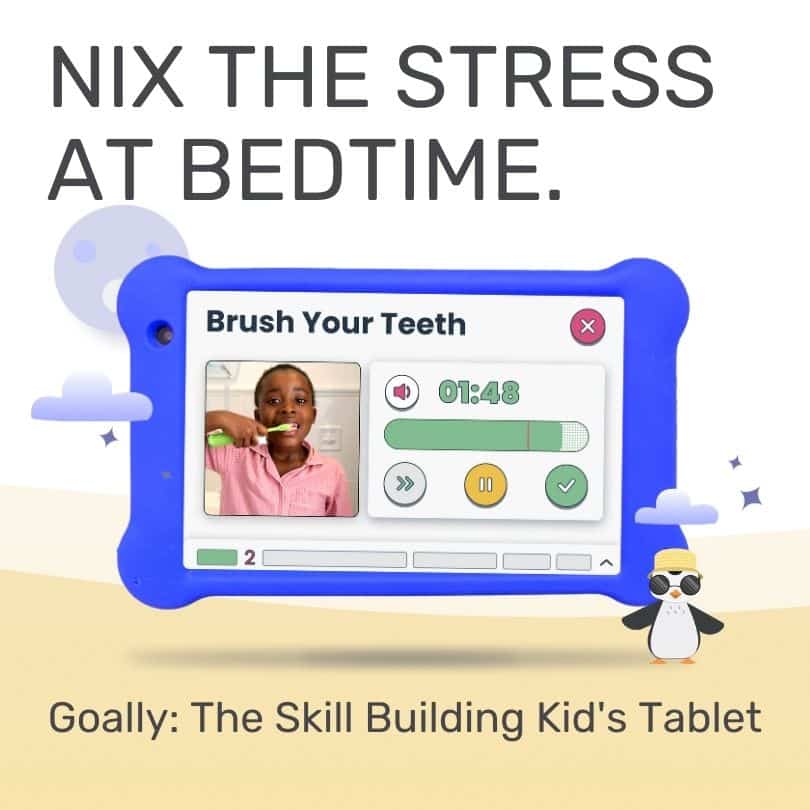
"Our son uses his Goally to simplify and take the worry out of his bedtime and morning routines. He knows what's next! Watching him blossom independently because of it has been amazing " — Kate
Learn more →
Consult with a sleep specialist to rule out any sleep disorders and ensure your child is getting the rest they need. Goally can also help establish healthy sleep routines by providing visual reminders and schedules for bedtime and morning routines.
The Importance of Accurate Diagnosis
Obtaining an accurate diagnosis is crucial for your child’s well-being and success. Misdiagnosing ADHD can lead to inappropriate treatments and interventions, which may not address the underlying issues your child is facing. Moreover, it can result in unnecessary stress and frustration for both you and your child.
During the diagnostic process, it’s essential to work with a team of professionals, such as psychologists, psychiatrists, and pediatricians, who can provide a comprehensive evaluation and tailored recommendations. Trust your instincts as a parent and advocate for your child’s needs.
Try Goally For Your Child With ADHD
Goally helps kids with ADHD stay focused and build skills. Unlike a Kindle or an iPad that kids get easily distracted on, Goally has no YouTube, no social media, no web browser, and especially no ads.
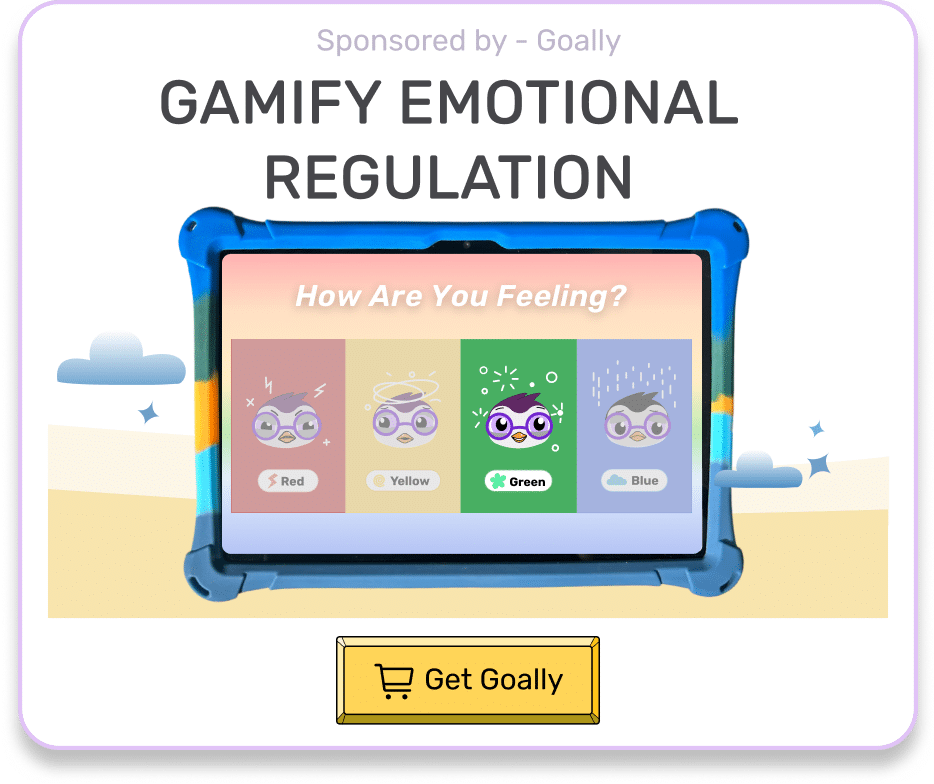
Goally uses game play as a points-based motivator for your kiddo with ADHD and helps them learn emotional regulation skills. It’s simple to set up and has an expert-informed design.
Empower Yourself with Knowledge
Understanding “What is ADHD commonly mistaken for?” is vital in ensuring your kid receives the appropriate support and interventions. By being aware of the conditions that can mimic ADHD, you can better navigate the diagnostic process and advocate for your child’s unique needs. Remember, knowledge is power, and as a parent, you are your child’s most valuable resource. Armed with this information and tools like Goally, you can confidently support your neurodivergent child on their journey toward success.
This post was originally published on 06/08/2023. It was updated on 10/20/2023.

Goally
We help parents teach their kids life skills, like doing bedtime and morning independently. Backed by science, we incorporate evidence-based practices and expert-informed designs in all of our apps and content.