Navigating the world of IEPs in high school can feel like a daunting task for parents of neurodivergent kids. Fear not, for this comprehensive guide will help you understand the ins and outs of IEPs, empowering you to make informed decisions for your child’s education. We’ll cover the basics of IEPs, the importance of goal-setting, and how to advocate for your child’s needs. So let’s get started on this journey to a successful high school experience for your child, with the help of Goally.
Table of Contents
Understanding IEPs in High School
Individualized Education Programs (IEPs) are to support kids with thinking and learning differences, ensuring they receive the necessary accommodations and modifications to succeed in school. In high school, IEPs become even more critical as students face increased academic demands and prepare for life after graduation. Here’s what you need to know:
- IEP Team: The IEP team consists of parents, teachers, school administrators, and other relevant professionals who collaborate to develop the IEP.
- IEP Goals: These are measurable, attainable objectives tailored to your child’s unique needs and abilities.
- Accommodations and Modifications: These are the supports and adjustments provided to help your child access the curriculum and achieve their IEP goals.
To further illustrate the importance of IEPs in high school, let’s take a look at some key differences between elementary and high school IEPs:
| Elementary School IEPs | High School IEPs |
|---|---|
| Focus on basic academic skills | Focus on advanced academics and life skills |
| Goals are more general | Goals are more specific and targeted |
| Parent involvement is higher | Student self-advocacy becomes more important |
Setting SMART Goals for Your Child’s IEP
To ensure your child’s IEP is effective, it’s essential to set SMART (Specific, Measurable, Achievable, Relevant, and Time-bound) goals. Here are some tips for creating meaningful goals:

Read more: Your Questions Answered About The IEP Process
- Focus on your child’s needs: Identify the areas where your child requires support, such as reading comprehension, social skills, or organization.
- Be specific: Clearly define what your child is going to achieve, using concrete terms and benchmarks.
- Ensure measurability: Establish criteria for evaluating progress, such as test scores, teacher observations, or work samples.
- Set realistic expectations: Consider your child’s current abilities and the resources available when setting goals.
- Review and adjust: Regularly assess your child’s progress and adjust goals as needed to ensure continued growth and success.
In addition to these tips, it’s important to involve your child in the goal-setting process. After all, they are the ones who will be working towards these goals. Encourage them to share their thoughts and aspirations, and collaborate with them to create goals that are both challenging and achievable.
Advocating for Your Child’s Needs
As a parent, you play a crucial role in advocating for your child’s needs during the IEP process. Here are some strategies to help you effectively communicate with the IEP team:
- Be prepared: Familiarize yourself with your child’s strengths, challenges, and the accommodations they require. Research relevant laws and regulations to understand your child’s rights.
- Build relationships: Establish open lines of communication with teachers, administrators, and other IEP team members. Attend school events and meetings to stay informed and engaged.
- Collaborate: Work together with the IEP team to develop a plan that best supports your child’s needs. Be open to suggestions and willing to compromise when necessary.
- Keep records: Maintain a file of your child’s evaluations, IEP documents, and any correspondence with the school. This will help you track progress and provide evidence if disputes arise.
- Stay persistent: Remember that you are your child’s best advocate. If you feel their needs are not met, continue to push for the necessary supports and services.

Read more: What are the IEP Requirements?
Moreover, don’t hesitate to seek support from other parents, online communities, or local organizations. Connecting with others who have experience navigating the IEP high school process can provide valuable insights and encouragement.
Preparing for Life After High School
An essential aspect of IEP high school planning is preparing your child for life after graduation. This may include post-secondary education, vocational training, or employment. Here are some ways to support your child’s transition:
- Explore interests and strengths: Encourage your child to participate in extracurricular activities, internships, or volunteer opportunities to discover their passions and develop valuable skills.
- Develop self-advocacy skills: Teach your child to communicate their needs, ask for help, and understand their rights as they transition to adulthood.
- Plan for accommodations: Research post-secondary institutions or employers that offer accommodations for neurodivergent students or employees. Ensure your child’s IEP includes transition goals and services to support their future endeavors.
- Connect with resources: Reach out to local organizations, support groups, or online communities that can provide guidance and assistance during the transition process.
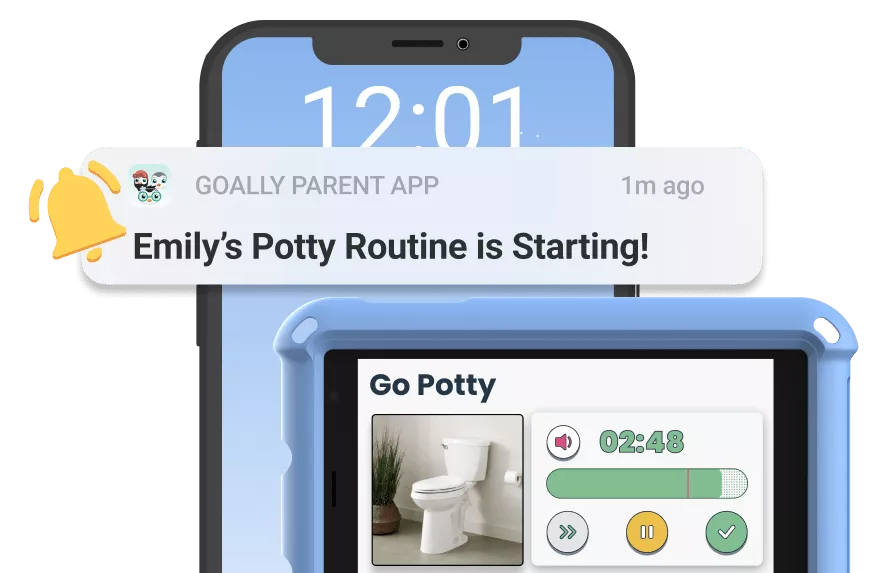
In addition to these strategies, consider incorporating tools like Goally to help your child develop essential life skills and independence. Here are 7 IEP meeting tips for parents. Goally offers a learning tablet and apps specifically designed for neurodivergent kids, making it a valuable resource for parents and students alike.
Goally | Apps To Support Child Development
Looking for fun ways to help your child learn life skills? Try Goally! The Goally tablet comes with award-winning learning apps and video classes to help kids develop the skills they need to become independent with FUN & evidence-based practices.

Our apps teach executive function, language, emotional regulation, finger dexterity skills, and more.
As your child develops new skills, you can increase the difficulty level of the tasks in the app to challenge and motivate them even further. This helps your child grow and progress at their own pace, while also keeping them engaged and excited about their development.

Final Thoughts
Navigating the IEP high school process can be challenging, but with the right knowledge and support, you can help your child thrive. By understanding IEPs, setting SMART goals, advocating for your child’s needs, and preparing for life after high school, you can ensure a successful and fulfilling educational journey for your neurodivergent child. Remember, you’re not alone in this journey – there are resources, communities, and tools like Goally to help you and your child every step of the way.
This post was originally published on 05/25/2023. It was updated on 10/13/2023.

Goally
We help parents teach their kids life skills, like doing bedtime and morning independently. Backed by science, we incorporate evidence-based practices and expert-informed designs in all of our apps and content.