Parenting a child with ADHD brings unique challenges and opportunities that can be managed with the right knowledge. Through my experiences, I’ve seen firsthand how understanding the nuances of ADHD can transform a child’s daily life. I’ll share invaluable insights on what to avoid, focusing on essential areas such as routines, communication, and self-care. By steering clear of these common pitfalls, you can foster a nurturing environment where your neurodivergent child can truly flourish.
Table of Contents
Inconsistent Routines and Structure
Consistency is essential for kids with ADHD. A predictable daily routine helps them feel secure and reduces anxiety. However, inconsistent routines can lead to confusion and frustration.
To provide a stable environment, avoid the following:
- Changing schedules without warning
- Allowing too much unstructured time
- Not setting clear expectations
Instead, establish a consistent routine and communicate any changes in advance. Involving your child in the planning process promotes a sense of ownership and responsibility. Moreover, a structured environment helps them develop essential life skills and fosters independence.

Read more: ADHD Morning Routine Checklist | Free Printable
Negative Reinforcement
When it comes to discipline, negative reinforcement can be harmful to a child with ADHD.
It’s important to avoid:
- Yelling or using harsh language
- Constantly pointing out mistakes
- Comparing them to siblings or peers
On the other hand, positive reinforcement is a powerful tool for encouraging good behavior. Praise their efforts, acknowledge progress, and celebrate successes. This approach fosters self-esteem and motivates your child to continue growing and learning.
Overstimulation
For kids with thinking and learning differences, overstimulation can exacerbate ADHD symptoms.
To prevent this, be mindful of the following:
- Loud or chaotic environments
- Excessive screen time
- Too many activities or commitments
Creating a calm, organized space and limiting screen time can help your child better manage their ADHD symptoms. Furthermore, prioritize activities that align with their interests and abilities, without overloading their schedule. This balance allows them to explore their passions while maintaining a sense of control.
Ignoring Their Strengths and Interests
Recognizing and nurturing your child’s strengths and interests is vital for their well-being.
To avoid hindering their growth, steer clear of:
- Focusing solely on their challenges
- Disregarding their input or preferences
- Not providing opportunities for success
Encourage your child to explore their passions and build on their strengths. This approach boosts their confidence and helps them develop a positive self-image. By celebrating their achievements and supporting their interests, you’ll empower your neurodivergent child to reach their full potential.
Ineffective Communication
Clear communication is vital when parenting a child with ADHD.
To foster open dialogue, avoid these common mistakes:
- Using vague or ambiguous language
- Not actively listening to your child
- Interrupting or talking over them
When chatting with your little one, make sure you’re really tuning in, catching every word, and showing them that you’re there for them. Using clear, simple language can be a real game-changer in these conversations, letting your child voice their thoughts and emotions without any roadblocks.
Read More: Best Emotional Regulation App For Kids
This isn’t just good advice – it’s the way to tighten that special bond you share with your child. It’s about making sure they know they’re heard and understood. Remember, good communication isn’t a one-sided affair. It should be a give-and-take where everyone involved feels appreciated and respected. The key is genuine conversation. It’s easier than it sounds, and it’s a great thing you can do for your child’s wellbeing and your parent-child relationship.
Unrealistic Expectations
Setting unrealistic expectations can be discouraging for kids with ADHD.
To avoid this, be mindful of the following:
- Expecting perfection
- Comparing them to neurotypical peers
- Not acknowledging their unique challenges

Read more: Real World Life Skills for Kids
Instead, set achievable goals tailored to your child’s abilities and celebrate their progress. This approach promotes a growth mindset and encourages resilience. By recognizing their unique challenges and adjusting expectations accordingly, you’ll foster a supportive environment where your child can flourish.
Neglecting Self-Care
Self-care is crucial for both you and your child.
To maintain a healthy balance, avoid:
- Putting your own needs on the back burner
- Not seeking support or resources
- Allowing stress to impact your parenting
By prioritizing self-care and seeking support when needed, you’ll be better equipped to navigate the challenges of parenting a child with ADHD. Remember, taking care of yourself helps you take care of your child.
Try Goally For Your Child With ADHD
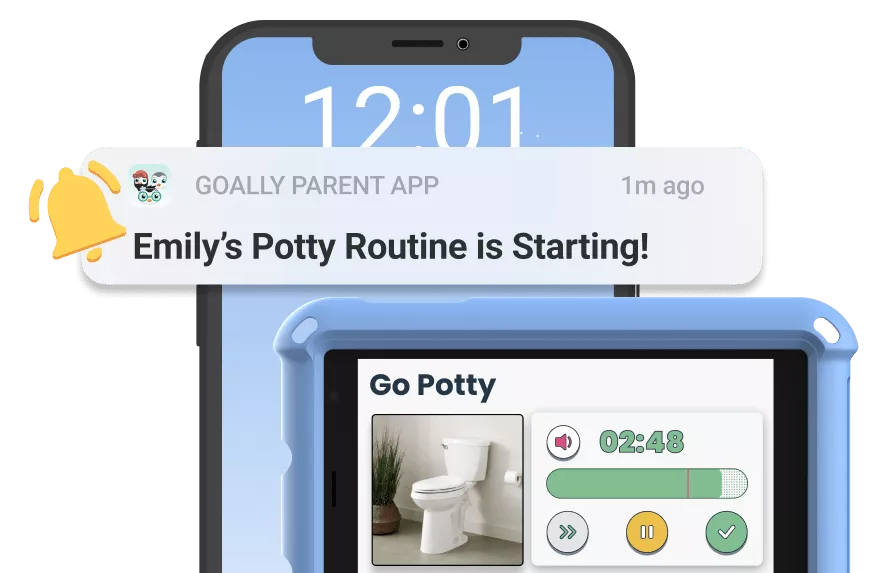
Goally helps kids with ADHD stay focused and build skills. Unlike a Kindle or an iPad that kids get easily distracted on, Goally has no YouTube, no social media, no web browser, and especially no ads.
Goally uses game play as a points-based motivator for your kiddo with ADHD and helps them learn emotional regulation skills. It’s simple to set up and has an expert-informed design.

Understanding how to support a child with ADHD is key to creating a nurturing environment. By embracing positive strategies and steering clear of common pitfalls, you can help your unique kid shine. Consistency, positive reinforcement, and open communication are the building blocks for success. With patience and understanding, you’ll help them navigate the challenges of ADHD and blossom beautifully on their own special path.
Resources:
FAQs About What Not To Do With a Child With ADHD
What should parents avoid doing with a child who has ADHD?
Parents should avoid one-sided conversations and ensure their child feels valued and respected in all communications.
How can a parent strengthen their bond with a child who has ADHD?
By allowing the child to express their thoughts and feelings freely, parents can strengthen their bond with the child.
What is one key strategy for communicating with a child with ADHD?
Adopting active listening and using concise language is crucial for effective communication with a child with ADHD.
Can emotional regulation apps assist children with ADHD?
Yes, emotional regulation apps can be helpful tools to guide children with ADHD to manage their emotions more effectively.
How can rewards benefit a child with ADHD?
Rewards can motivate a child with ADHD, promoting positive behaviors and encouraging the completion of tasks.
This post was originally published on 05/22/2023. It was updated on 08/11/2024.

Hennah is an experienced writer and researcher, helping children with autism, ADHD, and other neurodivergent conditions. As a blog contributor for Goally, she combines her deep understanding of neurodiversity with practical advice, offering valuable insights to parents and educators.