Imagine watching two kids with ADHD at a playground. One child is running around, climbing, and chatting non-stop, while the other sits quietly, daydreaming on a bench. Though their behaviors seem worlds apart, both are manifestations of ADHD. In this blog post, we’ll delve into the differences between ADHD inattentive vs hyperactive types, how to identify them, and ways to support your neurodivergent child. We’ll also discuss how Goally can be a valuable tool in your parenting journey.
Table of Contents
Understanding ADHD: Inattentive Vs. Hyperactive
ADHD is a complex condition that doesn’t fit into a single mold. There are three primary types of ADHD: inattentive, hyperactive-impulsive, and combined.
To better understand ADHD inattentive vs hyperactive types, let’s explore their key differences:
Inattentive ADHD
- Difficulty sustaining attention and focus
- Forgetfulness and disorganization
- Easily distracted by external stimuli
- May appear daydreamy or lost in thought
- Often overlooked due to less disruptive behavior
Inattentive ADHD can be challenging to identify, as kids with this type may not display the stereotypical hyperactive behaviors often associated with ADHD. However, recognizing the signs is crucial for providing appropriate support.
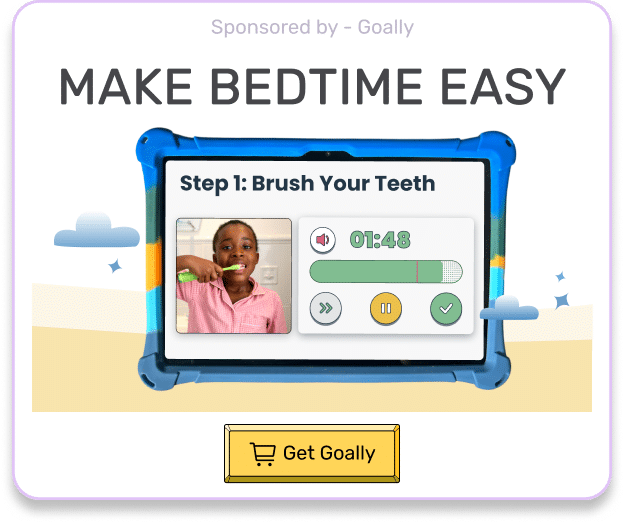
Customize visual schedules that teach kids independence. No more nagging, no more stress.
Hyperactive-Impulsive ADHD
- Excessive physical activity and restlessness
- Impulsive decision-making and actions
- Difficulty waiting their turn or staying seated
- Interrupting others and blurting out answers
- More easily recognized due to noticeable behavior

Read more: Is ADHD a Serious Disorder?
Hyperactive-impulsive ADHD is often more apparent due to the child’s high energy levels and impulsive actions. Understanding the nuances of this type can help you better support your child’s needs.
Identifying and Supporting Your Child’s ADHD Type
Recognizing your child’s ADHD type is essential for providing the right support.
Here are some tips for identifying and helping kids with inattentive or hyperactive ADHD:
Inattentive ADHD
- Observe their behavior: Look for patterns of inattention, forgetfulness, and disorganization in various settings (school, home, social).
- Communicate with teachers: Collaborate with educators to identify areas where your child may struggle and implement accommodations.
- Establish routines: Create consistent daily routines to help your child stay organized and focused.
- Break tasks into smaller steps: Simplify complex tasks by breaking them down into manageable chunks.
- Use tools like Goally: Goally’s learning tablet and apps can help kids with inattentive ADHD stay on track and build essential skills.
By addressing the specific challenges of inattentive ADHD, you can help your child develop the skills they need to succeed in various aspects of their life.
Hyperactive-Impulsive ADHD
- Monitor their energy levels: Keep an eye on your child’s activity and impulsivity to identify patterns and triggers.
- Provide opportunities for movement: Encourage physical activity through sports, dance, or other outlets to help manage energy levels.
- Teach impulse control strategies: Work with your child on techniques to pause and think before acting.
- Set clear expectations and consequences: Establish rules and consequences for impulsive behavior to promote self-regulation.
- Utilize Goally’s resources: Goally’s tools can help kids with hyperactive ADHD develop routines, self-regulation skills, and more.

Read more: ADHD All or Nothing
Supporting your child with hyperactive-impulsive ADHD involves addressing their unique needs and helping them develop strategies for self-regulation and impulse control.
How Goally Can Help Your Neurodivergent Child
Goally is a valuable resource for parents of neurodivergent kids, offering a learning tablet and apps designed to support kids with thinking and learning differences.
Here’s how Goally can help your child with ADHD, whether they’re inattentive or hyperactive:
- Visual schedules: Goally’s visual schedules help kids stay organized and focused on tasks, reducing stress and anxiety.
- Task management: Break down complex tasks into smaller steps, making them more manageable for kids with ADHD.
- Positive reinforcement: Goally’s reward system encourages positive behavior and helps build self-esteem.
- Parental support: Goally offers resources and guidance for parents, helping you navigate the challenges of raising a neurodivergent child.
By incorporating Goally into your child’s daily routine, you can support their growth and development in a way that’s tailored to their unique needs.
Try Goally For Your Child With ADHD
Goally helps kids with ADHD stay focused and build skills. Unlike a Kindle or an iPad that kids get easily distracted on, Goally has no YouTube, no social media, no web browser, and especially no ads.
Goally uses game play as a points-based motivator for your kiddo with ADHD and helps them learn emotional regulation skills. It’s simple to set up and has an expert-informed design.

When it comes to ADHD inattentive vs hyperactive types, understanding the differences is crucial for providing the right support for your child. By identifying their ADHD type and implementing strategies tailored to their needs, you can help your neurodivergent child thrive. Goally’s learning tablet and apps can be an invaluable resource in your journey, offering tools and support for both you and your child. Remember, every child is unique, and with the right guidance, they can reach their full potential.
FAQs About ADHD Inattentive vs. Hyperactive
What is the difference between ADHD Inattentive and Hyperactive?
Inattentive ADHD, previously known as ADD, often presents as difficulty focusing, forgetfulness, or disorganization. Hyperactive ADHD is characterized by constant movement, impulsivity, and difficulty with quiet tasks.
Can a child have Inattentive and Hyperactive ADHD?
A child can have symptoms of both inattentiveness and hyperactivity. This is known as Combined Type ADHD.
How can parents help children with Inattentive ADHD at home?
For children with Inattentive ADHD, visual schedules, structured routines, and breaking tasks into manageable steps can be beneficial.
What strategies work best for children with Hyperactive ADHD?
Regular physical activity, brief instructions, and rewards for positive behavior can help manage Hyperactive ADHD symptoms.
How can parents identify if their child has ADHD, Inattentive, or Hyperactive type?
Parents should consult with a healthcare professional or psychologist who can provide a proper diagnosis based on a child's behavior patterns and other clinical observations.
This post was originally published on 05/10/2023. It was updated on 05/03/2024.

Goally
We help parents teach their kids life skills, like doing bedtime and morning independently. Backed by science, we incorporate evidence-based practices and expert-informed designs in all of our apps and content.