Dealing with a hitting toddler can be a real headache, especially when your little one is neurodivergent or has thinking and learning differences. We understand that dealing with a toddler who hits can be challenging. That’s why we’ve created a practical guide to help you stop toddler hitting. This guide will provide you with the information and tools you need to effectively address this behavior.
Table of Contents
Step 1: Dig Deeper to Uncover the Reasons
Understanding why your toddler is hitting is crucial. Your child might be feeling frustrated, stressed, or simply craving attention. Getting to the root cause will make it easier to address the problem effectively. Some common causes include:
- Frustration or stress
- Attention-seeking
- Difficulty communicating
- Imitation of others
Step 2: Stay Cool and Be Consistent
When your toddler starts hitting, it’s essential to keep calm and respond consistently. Using a firm yet gentle voice, let them know that hitting isn’t okay. By being consistent, you’ll help your child learn self-control and better behavior.
Best Behavior Tracking App:
Give your kid an independent future for less than $1/day. Goally has 15+ learning apps that teach life skills.
Step 3: Teach Better Ways to Express Emotions
Help your child find alternative ways to express their feelings. Encourage them to use words or gestures instead of hitting. For example, teach them phrases like “I’m angry” or “I’m sad,” so they can communicate their emotions effectively.
Step 4: Applaud Good Behavior
When your child expresses their emotions in a healthy way, don’t forget to praise them. Positive reinforcement will motivate them to keep using appropriate communication methods.
Step 5: Set Boundaries and Follow Through with Consequences
Establish clear rules about hitting and explain the consequences of such behavior. It could be losing privileges or having a timeout. Make sure to enforce these consequences consistently to help your child understand the importance of controlling their actions.

Step 6: Foster Empathy
Help your child see things from others’ perspectives by discussing the impact of their actions. Talk about how hitting can hurt someone’s feelings or cause physical pain. Developing empathy will make your child more likely to think twice before hitting.
Step 7: Seek Expert Help if Necessary
If your child’s hitting persists or gets worse, don’t hesitate to consult a professional. A pediatrician, therapist, or counselor can provide additional guidance and support tailored to your child’s specific needs.
Step 8: Be Patient and Supportive
Change takes time, and setbacks are normal. Be patient and supportive as your child learns new skills and works on improving their behavior. Remember, you’re not alone, and we’re here to help!
Goally | Apps That Build Behavior & Life Skills for Kids
Want to keep your child motivated while building essential behavior and life skills? Goally’s skill-building tablet & suite of therapy apps are designed to celebrate small wins and help your child grow.
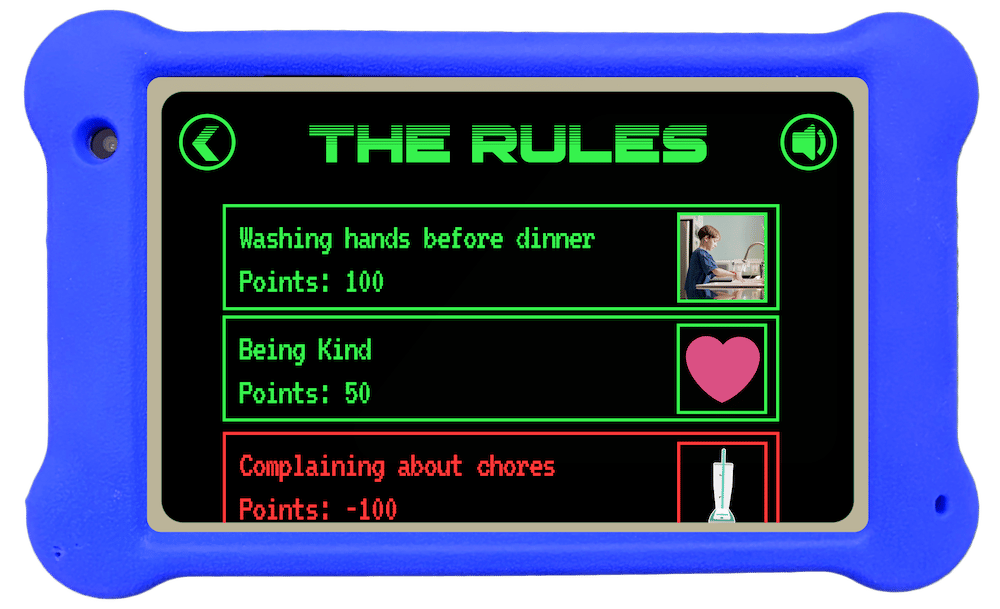
Our Rewards app gives kids points for completing daily routines and following “The Rules” on Goally. These points can be redeemed for exciting rewards or time in Goally’s game center. It’s a fun way to reinforce positive behavior and keep them motivated to learn new skills!
Our Behavior Tracker helps you reward your kiddo for specific skills, like “being kind” or “flushing the toilet.”
By setting clear expectations and rewarding their efforts, you foster a positive environment for your child to flourish in their behavioral skills journey.
Give Goally a try on any Android, iOS, or Amazon device for as low as $15. Or, choose our distraction-free device (which ONLY has Goally on it) for $149 if you don’t want your kiddo sneaking onto Youtube every few minutes… 😉
Helping your toddler stop hitting might be challenging, but with the right approach and persistence, you can guide them towards better behavior. By uncovering the reasons, staying consistent, teaching alternatives, setting boundaries, and fostering empathy, you’ll be well-equipped to navigate this journey. Keep in mind that patience and support are crucial, and you’re not alone in this endeavor.
This post was originally published on 05/08/2023. It was updated on 08/07/2023.

Goally
We help parents teach their kids life skills, like doing bedtime and morning independently. Backed by science, we incorporate evidence-based practices and expert-informed designs in all of our apps and content.