As a parent, you may have wondered if your child’s struggles with focus and attention are signs of ADHD or a learning disability. So, is ADHD a type of learning disability? In this blog post, we’ll delve into the differences between ADHD and learning disabilities, discuss how they can coexist, and offer practical strategies to support your neurodivergent child. With this knowledge, you’ll be better equipped to help your child thrive and succeed.
Table of Contents
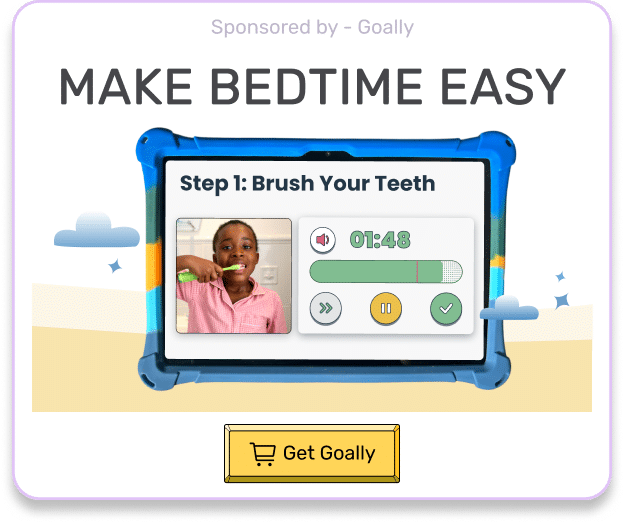
Customize visual schedules that teach kids independence. No more nagging, no more stress.
ADHD vs. Learning Disabilities: What’s the Difference?
Before we dive into the details, let’s clarify the terms. ADHD (Attention Deficit Hyperactivity Disorder) is a neurodevelopmental disorder shown as inattention, impulsivity, and hyperactivity. In contrast, learning disabilities are a group of neurological conditions that affect a person’s ability to process, store, and retrieve information. While ADHD is not a learning disability, it can share some overlapping symptoms and coexist in some children.
Here’s a quick comparison of ADHD and common learning disabilities:
| Condition | Key Characteristics |
|---|---|
| ADHD | Inattention, impulsivity, hyperactivity |
| Dyslexia | Difficulty with reading, spelling, and writing |
| Dyscalculia | Difficulty with math concepts and calculations |
| Dysgraphia | Difficulty with handwriting and fine motor skills |
| Nonverbal Learning Disorder (NVLD) | Difficulty with nonverbal communication, social skills, and spatial awareness |
Research suggests that up to 50% of kids with ADHD also have a learning disability, highlighting the importance of understanding both conditions and their potential overlap.
Recognizing the Signs: When to Seek Help
As a parent, it’s crucial to recognize the signs of ADHD and learning disabilities in your child.

Here are some common indicators:
- Difficulty paying attention or staying on task
- Impulsive behavior and poor decision-making
- Struggling with reading, writing, or math
- Difficulty following instructions or organizing tasks
- Challenges with social skills and nonverbal communication
If you notice any of these signs in your child, it’s essential to consult with a professional for an accurate diagnosis and appropriate support. Early intervention can make a significant difference in your child’s success.
Supporting Your Neurodivergent Child: Strategies for Success
Whether your child has ADHD, a learning disability, or both, there are various strategies you can implement to help them succeed academically and socially. Here are some practical tips:
Create a Structured Environment
Establishing routines and providing a consistent, organized space can help kids with ADHD and learning disabilities feel more secure and focused. Make sure your child has a designated, clutter-free area for homework and studying. A tool like Goally can be beneficial in creating structure and helping your child stay on track with their tasks.
Break Tasks into Smaller Steps
Breaking tasks into smaller, manageable steps can make them less overwhelming for kids with thinking and learning differences. Provide clear, step-by-step instructions and offer guidance as needed. Using a visual schedule or a tool like Goally can help your child visualize their tasks and progress.
Use Visual Aids and Hands-On Activities
Visual aids, such as charts, diagrams, and graphic organizers, can help kids with ADHD and learning disabilities better understand and retain information. Incorporating hands-on activities can make learning more engaging and accessible, allowing your child to explore concepts in a way that best fits their learning style.
Read more: 7 Fun Activities for ADHD Kids
Encourage Physical Activity and Mindfulness
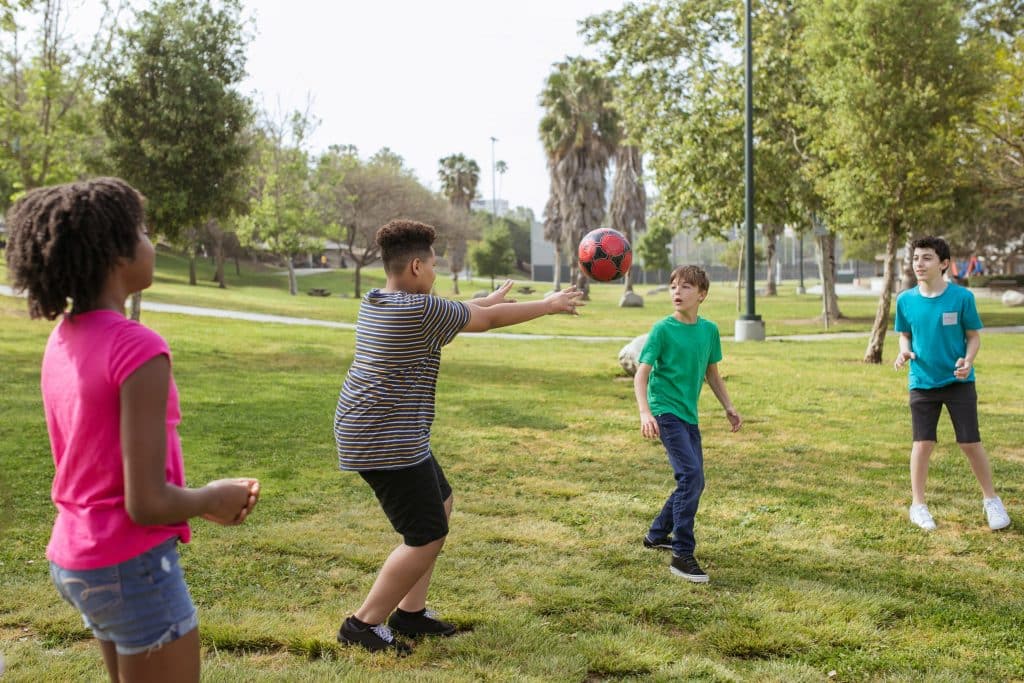
Regular physical activity can help improve focus and reduce hyperactivity in kids with ADHD. Mindfulness practices, such as deep breathing and meditation, can also help them develop self-awareness and self-regulation skills. Encourage your child to play in activities that promote both physical and mental well-being.
Seek Professional Support
Working with professionals, such as therapists, tutors, and special education teachers, can provide valuable support and resources for your child’s unique needs. Collaborating with experts can help you develop a custom plan to address your child’s challenges and build on their strengths.
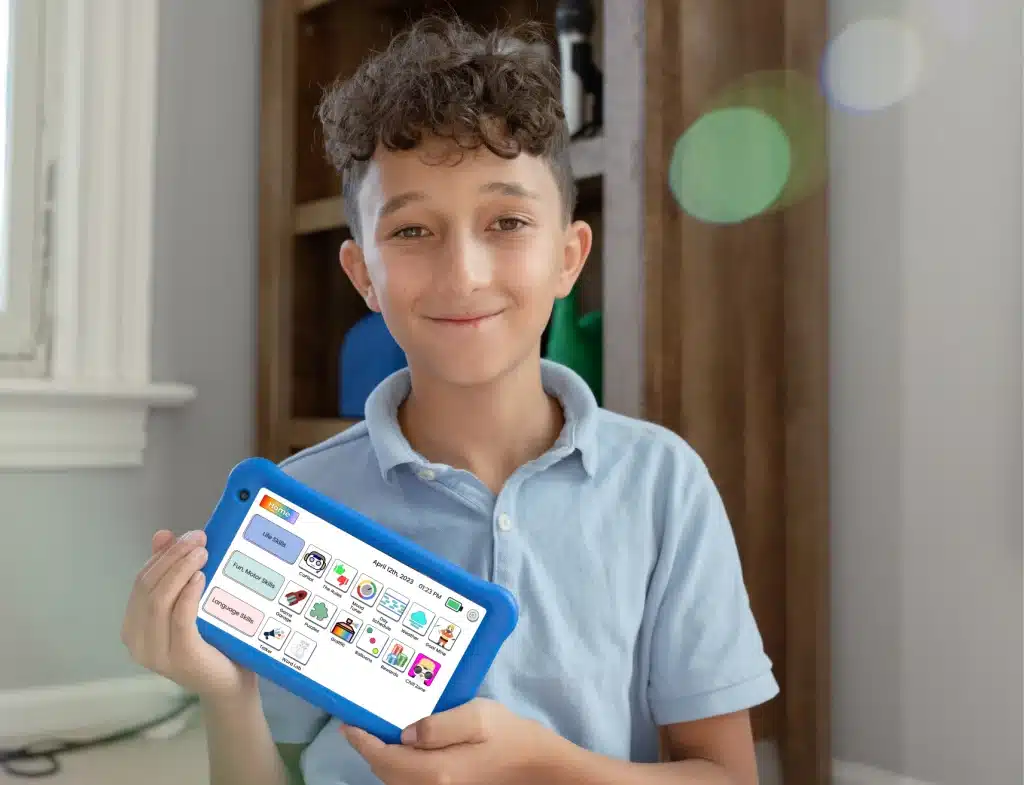
Give your kid an independent future. Goally has 15+ learning apps that teach life skills. There are NO web browsers, social media, or YouTube.
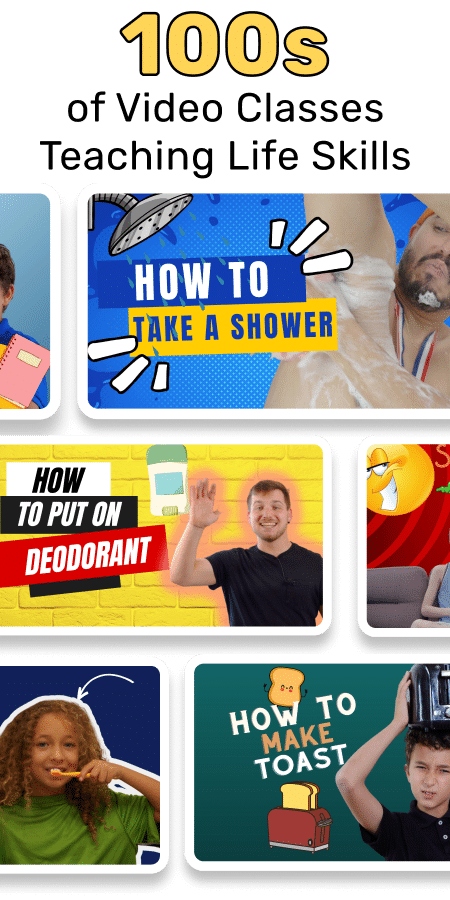
Our apps teach executive function, language, emotional regulation, finger dexterity skills, and more. It also 100+ video classes teaching social skills.
Embracing Your Child’s Unique Abilities
While ADHD is not a learning disability, it can coexist with various learning disabilities and present similar challenges. As a parent, understanding the differences and similarities between these conditions is crucial in providing the right support for your child. By implementing effective strategies, using tools like Goally, and seeking professional help, you can empower your neurodivergent child to thrive in their own unique way.
This post was originally published on 05/08/2023. It was updated on 07/11/2023.

Goally
We help parents teach their kids life skills, like doing bedtime and morning independently. Backed by science, we incorporate evidence-based practices and expert-informed designs in all of our apps and content.