As a parent, you might wonder, “What does an ADHD episode look like?” You’re not alone in this quest for knowledge. Recognizing the signs and symptoms of ADHD episodes can empower you to better support your neurodivergent child. In this blog post, we’ll delve into the various manifestations of ADHD episodes and provide practical tips for managing them. So, let’s get started on this enlightening journey!
Table of Contents
Recognizing ADHD Episodes: Signs and Symptoms
First and foremost, it’s essential to understand that ADHD is a neurodevelopmental disorder, and its symptoms can vary from one child to another. However, there are some common signs that can help you identify an ADHD episode.
Here are some key indicators:
- Inattention: Difficulty focusing on tasks, forgetfulness, and frequent daydreaming.
- Hyperactivity: Excessive movement, fidgeting, and restlessness.
- Impulsivity: Acting without thinking, interrupting others, and making hasty decisions.
These symptoms can manifest differently in each child, so it’s crucial to observe your child’s behavior and identify patterns that may indicate an ADHD episode. With a better understanding of these signs, you can take appropriate steps to support your child during these challenging moments.

Understanding the Different Types of ADHD Episodes
ADHD episodes have three main types based on the predominant symptoms:
- Inattentive Type: Kids with this type of ADHD episode primarily struggle with focus and attention. They may have difficulty following instructions, organizing tasks, or completing assignments.
- Hyperactive-Impulsive Type: This type of ADHD episode is excessive energy and impulsive behavior. Kids may have trouble sitting still, waiting their turn, or controlling their emotions.
- Combined Type: As the name suggests, this type of ADHD episode includes symptoms of both inattention and hyperactivity-impulsivity. It’s the most common type of ADHD episode among neurodivergent kids.
Recognizing the type of ADHD episode your child is experiencing can help you tailor your support strategies to their specific needs. For example, a child with the inattentive type may benefit from extra guidance and reminders, while a child with the hyperactive-impulsive type might need more opportunities for physical activity.
How to Support Your Child During an ADHD Episode
Now that you know what an ADHD episode looks like let’s discuss some practical strategies to help your child navigate these challenging moments:
1. Create a Structured Environment
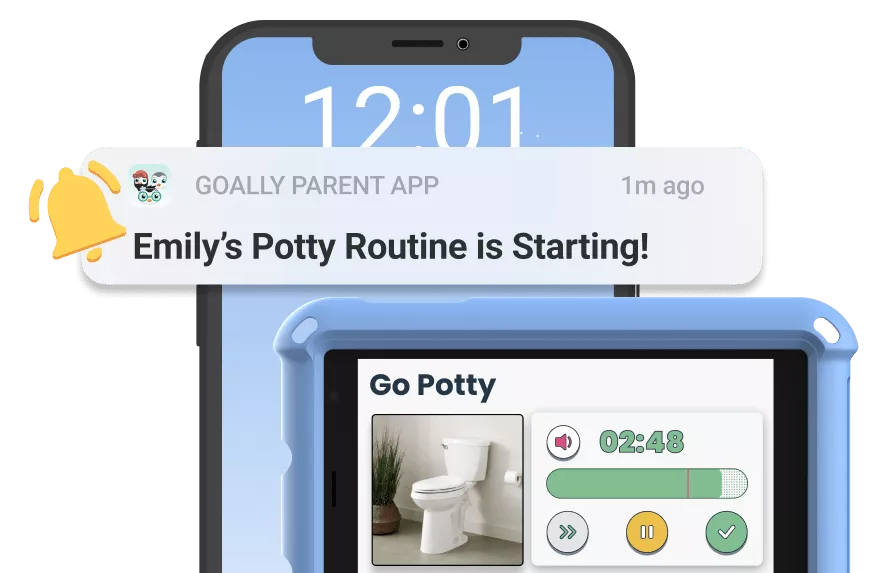
Consistency and routine can help kids with thinking and learning differences feel more secure and focused. Establish a daily schedule, set clear expectations, and provide visual aids (e.g., charts or checklists) to help your child stay on track. Goally’s learning tablet can be an excellent tool for creating structure and supporting your child’s daily routines.
2. Encourage Physical Activity
Regular exercise can help manage hyperactivity and improve focus in kids with ADHD. Encourage your child to participate in sports or other physical activities they enjoy.

Read more: What is ADHD Brain Fog?
Here are some ideas for physical activities that can be both fun and beneficial:
- Swimming
- Yoga
- Dance
- Martial arts
- Team sports (e.g., soccer, basketball)
3. Teach Coping Strategies

Read more: Free Printable ADHD Routine Charts
Help your child develop self-regulation skills by teaching them coping strategies, such as deep breathing exercises, mindfulness techniques, or using a fidget tool to channel excess energy. Goally’s apps can also provide support in teaching these valuable skills to your child.
Consider creating a “calm-down corner” in your home, where your child can go to practice these coping strategies when they feel overwhelmed or overstimulated. This designated space can help them regain control and refocus their energy.
4. Offer Positive Reinforcement
Positive reinforcement can be a powerful motivator for kids with ADHD. Praise your child’s efforts and accomplishments, and consider implementing a reward system for good behavior.
Some ideas for rewards include:
- Extra screen time
- Choosing a family activity
- Small treats or toys
- Stickers or tokens for larger rewards
5. Seek Professional Support
If your child’s ADHD symptoms are causing significant challenges at home or school, consider seeking professional support from a therapist, psychologist, or psychiatrist who specializes in ADHD. They can provide valuable guidance and resources to help you and your child navigate the complexities of ADHD.
Remember, you’re not alone in this journey. Connecting with other parents of neurodivergent kids can also provide a valuable support network and a wealth of shared experiences and advice.
Embracing Your Child’s Unique Abilities
Remember, ADHD is just one aspect of your child’s unique personality and abilities. By understanding what an ADHD episode looks like and providing the right support, you can help your neurodivergent child thrive and reach their full potential. Celebrate their strengths, foster their interests, and always approach their challenges with patience and understanding.
As you continue to support your child through their ADHD episodes, you’ll discover new ways to connect with them and help them grow. Your love, understanding, and encouragement will make all the difference in their journey.
Try Goally For Your Child With ADHD
Goally helps kids with ADHD stay focused and build skills. Unlike a Kindle or an iPad that kids get easily distracted on, Goally has no YouTube, no social media, no web browser, and especially no ads.
Goally uses game play as a points-based motivator for your kiddo with ADHD and helps them learn emotional regulation skills. It’s simple to set up and has an expert-informed design.

So, what does an ADHD episode look like? It can manifest as inattention, hyperactivity, impulsivity, or a combination of these symptoms. By recognizing the signs and implementing supportive strategies, you can help your child navigate these episodes with confidence. Embrace your child’s unique abilities and celebrate their successes, knowing that you’re providing the best possible support for their growth and development. With your unwavering support and the help of tools like Goally, your child can overcome the challenges of ADHD and flourish.
This post was originally published on 05/05/2023. It was updated on 08/11/2023.

Goally
We help parents teach their kids life skills, like doing bedtime and morning independently. Backed by science, we incorporate evidence-based practices and expert-informed designs in all of our apps and content.